



Why Adi Tatarko’s Houzz Story Still Gets Studied
Adi Tatarko is best known as the co-founder of Houzz, the home renovation and design platform she built with her husband, Alon Cohen. The company’s origin has often been described as coming from a personal renovation problem rather than a conventional Silicon Valley launch plan.
That matters for readers evaluating founder stories, startup advice, or tools for home professionals. Houzz was not simply a media site with pretty interiors. Its larger idea was to connect homeowners, design inspiration, products, and professionals in one place. For anyone comparing founder playbooks, Tatarko’s story is useful because it sits at the intersection of consumer marketplace, professional software, community content, and home improvement commerce.
The common version of the story is straightforward: Tatarko and Cohen had difficulty managing their own home renovation and saw gaps in how homeowners found ideas, communicated taste, and hired professionals. Houzz began around that problem in 2009 and grew from a side project into a large private company serving homeowners and home industry professionals.
Some personal details often repeated about Tatarko’s background, early family life, and exact quotes are harder to independently confirm from the provided material alone. They are best treated as reported context, not as the core evidence for why Houzz worked. The stronger business lesson is simpler: a painful, specific customer problem became the starting point for a product with multiple sides of the market.
The Practical Comparison: What Houzz Was Really Competing Against
Houzz is easiest to understand when compared with the alternatives homeowners and professionals already had. Before platforms like Houzz became familiar, a renovation search often meant stacks of magazines, scattered referrals, showroom visits, contractor phone calls, and disconnected product research.
The business opportunity was not just “home design inspiration.” It was reducing friction across the renovation decision process.
| Decision Area | Traditional Route | Houzz-Style Route | Buyer Tradeoff |
|---|---|---|---|
| Design ideas | Magazines, showrooms, saved clippings | Searchable project photos and idea collections | More choice, but more need to filter taste from execution |
| Finding professionals | Personal referrals and local directories | Profiles, portfolios, reviews, and project examples | Broader discovery, but still requires due diligence |
| Communicating vision | Verbal descriptions and loose references | Saved images and visual references | Clearer briefs, though budgets and scope still need direct discussion |
| Professional marketing | Word of mouth, print ads, local listings | Portfolio-led digital presence | More reach, but also more competition for attention |
For homeowners, the main benefit is comparison. They can look at styles, professionals, project types, and product ideas before committing to a costly renovation path. For professionals, the value is visibility where intent is already high: people browsing renovation ideas are often closer to a real project than casual social media users.
That does not make Houzz the right answer for every buyer or every professional. A local referral may still carry more trust. A specialist contractor may get better leads from reputation than from a marketplace profile. But Houzz’s model made the research phase more visual and more organized, which changed the expectations around how renovation decisions begin.
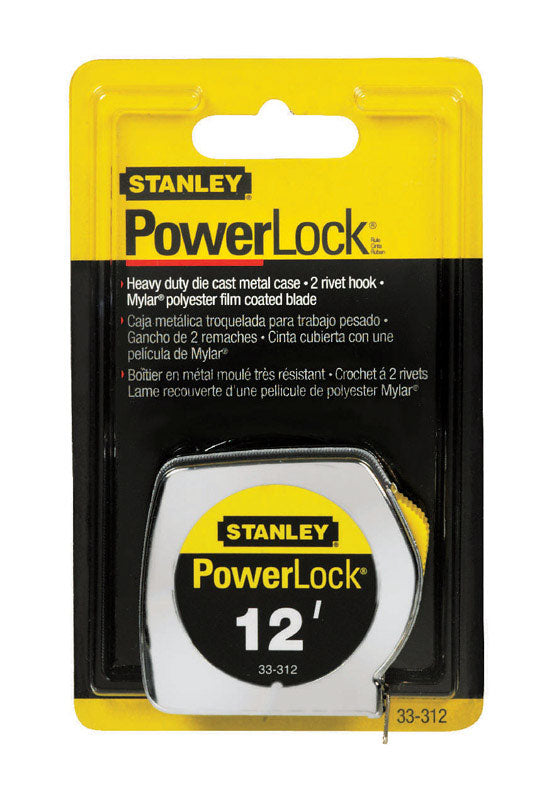
Stanley PowerLock Tape Measure
A basic tape measure helps turn saved design inspiration into room dimensions, cabinet runs, wall clearances, and more realistic project conversations. It is most useful before asking a contractor or designer to estimate scope.
As an Amazon Associate I earn from qualifying purchases.
Founder Lessons Without the Mythology
Tatarko’s story is often used as proof that founders do not need to fit a narrow startup stereotype. That idea is useful, but only if it is kept practical. The lesson is not that personal frustration automatically becomes a large company. The lesson is that a personal problem can be a credible starting point when it reveals a broader pattern.
1. Start With a Problem You Can Describe Clearly
The renovation pain point behind Houzz was specific: homeowners needed better ways to find ideas, communicate preferences, and connect with professionals. That is more useful than a vague ambition to “disrupt home improvement.”
Founders comparing startup ideas should ask whether the problem is observable in repeated behavior. Are people already spending time, money, or effort trying to solve it? Are existing solutions fragmented? Can a product make the next decision easier?
2. Do Not Monetize Before the Use Case Is Clear
The provided source says Tatarko and Cohen did not rush early monetization and focused first on product and community. Exact timing and internal reasoning should be treated cautiously without supporting documentation, but the broader tradeoff is credible.
In a marketplace or community product, early monetization can distort behavior. If the platform sells too aggressively before users trust it, both sides may leave. Waiting too long can also be risky, because a company still needs a business model. The useful takeaway is not “avoid revenue.” It is “make the revenue model fit the reason users came.”
- For homeowners, monetization should not make search feel manipulated.
- For professionals, paid tools need to support real workflow or lead quality.
- For marketplaces, trust is part of the product, not a side issue.
3. Build Around the Core Interaction
The strongest part of the Houzz concept was the loop between inspiration and action. Homeowners saved and browsed ideas. Professionals showed work. Those examples helped other homeowners define projects. That cycle gave the platform more depth than a static directory.
For operators, this is the part worth comparing against other businesses. A company is stronger when one user action improves the product for another user. Houzz had that potential because professional portfolios, homeowner research, and visual discovery reinforced each other.
What Buyers and Professionals Should Take From the Houzz Model
Because this is a comparison-oriented story, the reader decision is not just “admire the founder.” It is whether the Houzz approach is useful for a real renovation or home services business.
For homeowners, Houzz-style research is most useful early in the project, when taste, scope, and budget are still being shaped. It can help turn vague preferences into a more concrete brief. It is less useful as a replacement for checking licenses, contracts, references, insurance, timelines, and local pricing.
For designers, remodelers, architects, and contractors, the platform idea is most useful when visual proof matters. A strong portfolio can reduce explanation time and attract better-fit clients. But professionals should compare the time spent maintaining a profile against the quality of leads and the strength of their existing referral pipeline.
| User Type | Best Use | Watchout |
|---|---|---|
| Homeowner | Collecting ideas, comparing styles, finding possible professionals | Do not treat photos or profiles as a substitute for vetting |
| Interior designer | Showing completed work and attracting style-fit clients | Visual appeal still needs clear pricing and process communication |
| Contractor or remodeler | Demonstrating project quality and renovation experience | Lead quality matters more than profile traffic |
| Founder or operator | Studying a marketplace built from a repeated customer pain point | Community growth does not remove the need for durable monetization |

Rocketbook Core Reusable Smart Notebook
A reusable project notebook can help homeowners track measurements, room priorities, contractor questions, and design references in one place. It works best as a planning companion alongside photos, quotes, and contracts.
As an Amazon Associate I earn from qualifying purchases.
Verdict: The Useful Lesson Is Discipline, Not Founder Myth
Adi Tatarko’s Houzz story is compelling because it resists the clean startup cliche. It is usually told as a founder story about outsiders, family life, and a practical problem that became a company. Some of those personal details should be handled carefully when they are not independently confirmed in the supplied material.
The business lesson is still strong. Houzz identified a high-friction buying journey, made it more visual, and gave both homeowners and professionals a reason to participate. That is the part worth studying.
For founders, the takeaway is to look for messy decisions where people already need confidence before spending money. For homeowners, it is to use visual platforms as research tools, not final proof. For home professionals, it is to treat marketplace presence as one channel among several, strongest when it shows real work clearly.
Tatarko’s example is most useful when stripped of exaggeration. The point is not that every personal frustration can become a billion-dollar company. The point is that a specific, recurring problem can become a serious business when the product helps each side make a better decision.

The Lean Startup by Eric Ries
Readers interested in the founder side of the Houzz story may find this useful for thinking through experiments, customer learning, and when a product idea is actually proving demand. It pairs naturally with the article’s caution against turning one personal frustration into a broad claim too quickly.
As an Amazon Associate I earn from qualifying purchases.