

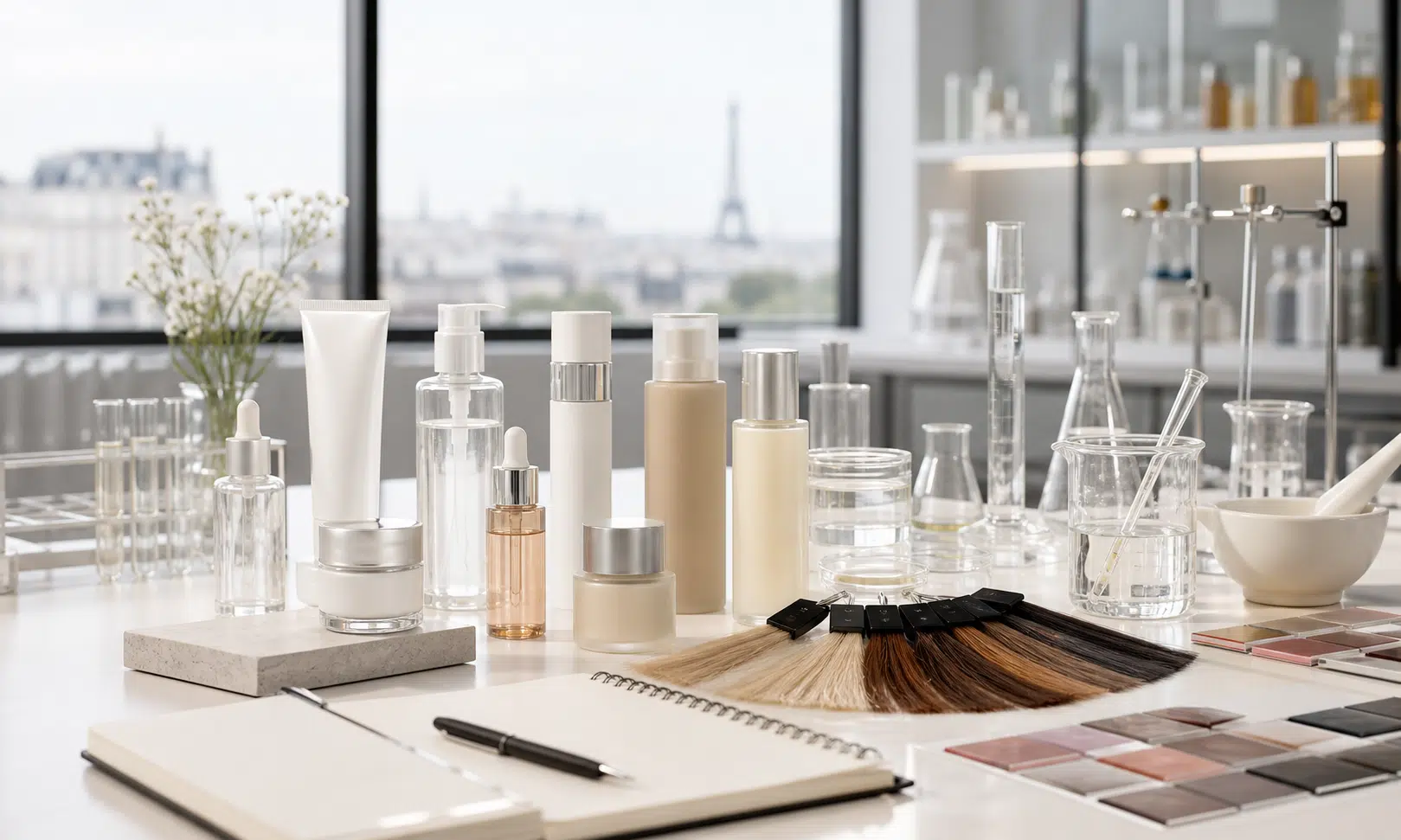

In 1909, Eugène Schueller, a French chemist, began building the business that would become L’Oréal around hair color. The original idea was not a full beauty empire. It was more practical than that: create better hair dye formulas and sell them to hairdressers who needed reliable results for their clients.
That starting point still matters. L’Oréal did not begin as a lifestyle brand with a slogan attached. It began with chemistry, salons, and a problem buyers could understand. Hairdressers needed color that worked. Customers wanted beauty products they could trust. Schueller’s early advantage was treating beauty as something that could be researched, tested, improved, and sold through professionals.
From Hair Dye Formula to Beauty Group
The company’s early product story is usually tied to hair color, including the Auréale name associated with Schueller’s first commercial formulas. Some of the more dramatic retellings of those early years are harder to verify in detail, but the broad business lesson is clear enough: L’Oréal grew from a focused technical product into a wider beauty company by staying close to the needs of salons and consumers.
That is useful for anyone studying the company as a commercial case. The first product was not just a product; it created a position. L’Oréal could stand for beauty backed by research. That positioning gave the company room to expand into related categories without abandoning its core logic.
Over time, L’Oréal moved beyond hair color into hair care, skin care, makeup, fragrance, and dermatological beauty. Its portfolio now covers mass, professional, luxury, and pharmacy-led beauty channels. That range is large, but it is not random. The common thread is still beauty, which is why the company often describes its focus as beauty alone.
For buyers, that focus matters because it shapes how L’Oréal competes. The group can sell an accessible shampoo brand in one aisle, a luxury fragrance in another channel, and a dermatologist-backed skin care product through pharmacies, while keeping the broader promise tied to beauty expertise.
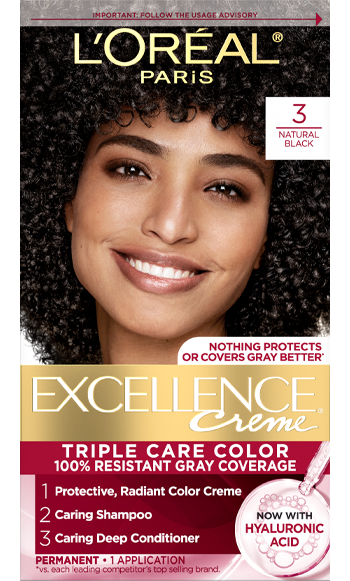
L’Oréal Paris Excellence Creme Permanent Hair Color
For readers interested in the category that started L’Oréal’s business, Excellence Creme is a familiar at-home permanent hair color line. Shade choice matters, so readers should compare tones carefully before buying.
As an Amazon Associate I earn from qualifying purchases.
Why Research Became the Real Advantage
The most important business lesson from L’Oréal is not simply persistence. It is the decision to make research and product development a central advantage. In 2023, L’Oréal reported sales of 41.18 billion euros and stated that it had 20 research centers across 11 countries, with more than 4,000 scientists. By 2025, the group reported 44.05 billion euros in sales, 40 international brands, and 22 research centers across 9 regional hubs.
Those numbers show the scale of the machine behind the marketing. Beauty can look trend-driven from the outside, but L’Oréal’s model depends heavily on formulation, testing, claims support, packaging, consumer insight, and channel execution. A lipstick shade, hair color, serum, or shampoo may look simple on the shelf. Getting it to work across markets, regulations, skin tones, hair types, climates, price points, and retail formats is not simple.
That is where research becomes a buyer-facing advantage. Customers do not usually buy a product because a company has a lab. They buy because the color lasts, the cleanser feels right, the sunscreen wears well, or the serum suits their skin. R&D only matters commercially when it turns into a product people can understand and repurchase.
Expansion Without Losing the Core
L’Oréal’s growth has included acquisitions, new categories, and international expansion. The source material describes the company as operating in dozens of countries by the 1960s, but that specific claim is best treated cautiously unless independently verified. What is clear is that L’Oréal became a global beauty group by extending its model across markets rather than staying only in France.
The risk in that kind of expansion is dilution. A company can buy brands, enter countries, and chase trends until the original strength becomes hard to see. L’Oréal’s answer has generally been to keep the corporate center focused on beauty while allowing individual brands to serve different audiences.
That structure gives the group several ways to win:
- Professional products keep the company connected to salons and stylists.
- Consumer brands give it scale in everyday retail.
- Luxury brands let it compete for higher-margin beauty purchases.
- Dermatological beauty connects the portfolio to skin health, pharmacies, and expert recommendations.
For a buyer comparing beauty products, this can be both helpful and confusing. L’Oréal owns brands that feel very different from one another. The practical question is not whether a product comes from the same parent company. It is whether that specific brand, formula, price point, and channel fit the buyer’s need.

La Roche-Posay Toleriane Double Repair Face Moisturizer
This moisturizer fits the article’s discussion of pharmacy-led, dermatologist-style beauty products. It is a practical example of how L’Oréal’s portfolio reaches beyond makeup and hair care into everyday skincare routines.
As an Amazon Associate I earn from qualifying purchases.
The Lessons for Operators and Buyers
L’Oréal’s story is often framed as a tale of reinvention. That is fair as an interpretation, as long as it does not flatten the harder parts of the company’s history. The group has also faced controversy, including scrutiny of its founder’s wartime political associations. A serious business profile should not pretend the history is spotless.
Still, the commercial lessons are practical. First, technical credibility compounds. If a company repeatedly solves real product problems, it earns room to expand. Second, focus matters. L’Oréal sells many things, but they sit inside one broad business: beauty. Third, global scale requires local sensitivity. Hair, skin, climate, culture, and shopping habits vary widely, and beauty companies ignore those differences at their own cost.
The famous L’Oréal slogan, “Because You’re Worth It,” also points to a deeper marketing lesson. Strong beauty marketing does not only describe a product. It gives the customer a reason to feel confident choosing it. That emotional layer works best when the product itself delivers.
L’Oréal’s rise from hair dye chemistry to global beauty leadership shows how powerful a narrow starting point can become when it is paired with research, disciplined expansion, and a clear view of the customer. The company did not grow because beauty is easy. It grew because beauty is personal, repeatable, technical, and global all at once.