


The Banana Pi BPI-R4 Pro is the kind of router board that makes hardware people pay attention. It is compact, built for serious networking projects, and interesting enough to tempt anyone who likes squeezing more out of ARM and RISC-V-adjacent hobby hardware.
The catch is firmware. For OpenWrt users, the first rule is simple: do not run an unofficial image on network hardware you actually depend on. That rule matters even more when the device is sitting between your home or lab and the internet.
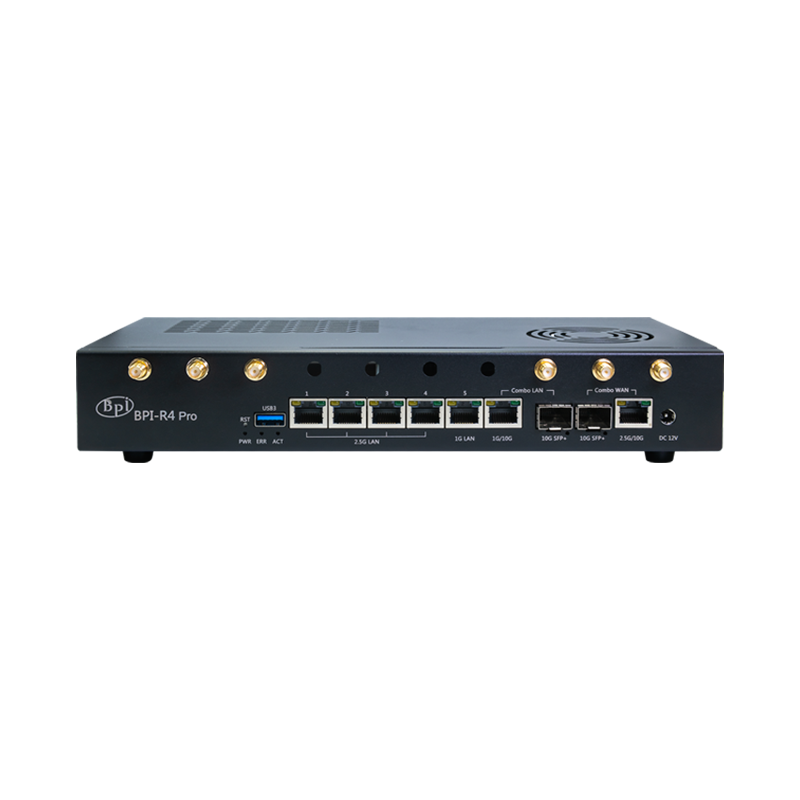
Banana Pi BPI-R4 Pro Metal Case
A metal case helps turn the BPI-R4 Pro from a bare board into a cleaner bench or lab router project. Check that the case version matches the exact BPI-R4 Pro layout and port configuration you plan to use.
As an Amazon Associate I earn from qualifying purchases.
The Hardware Looks Better Than the Software Story
The frustrating part is that the BPI-R4 Pro appears to have real potential. Testing shown in the referenced video suggests the board can perform well with the available OpenWrt image, though that performance claim has not been independently verified here.
That leaves buyers in an awkward place. The board may be capable, but unofficial firmware turns a promising router SBC into a project machine rather than an easy recommendation for a primary network device.
Official Support Is Still the Line to Watch
OpenWrt support for the BPI-R4 Pro has been moving through development, and that means official support may still arrive. Until it does, the usual SBC question applies: will the software catch up while the hardware is still current enough to matter?
For now, the safer read is cautious. A community Debian 13 image may be a more comfortable option for some users, but that is still a judgment call rather than a guarantee. If you want a reliable router today, official firmware support should weigh as heavily as the spec sheet.