

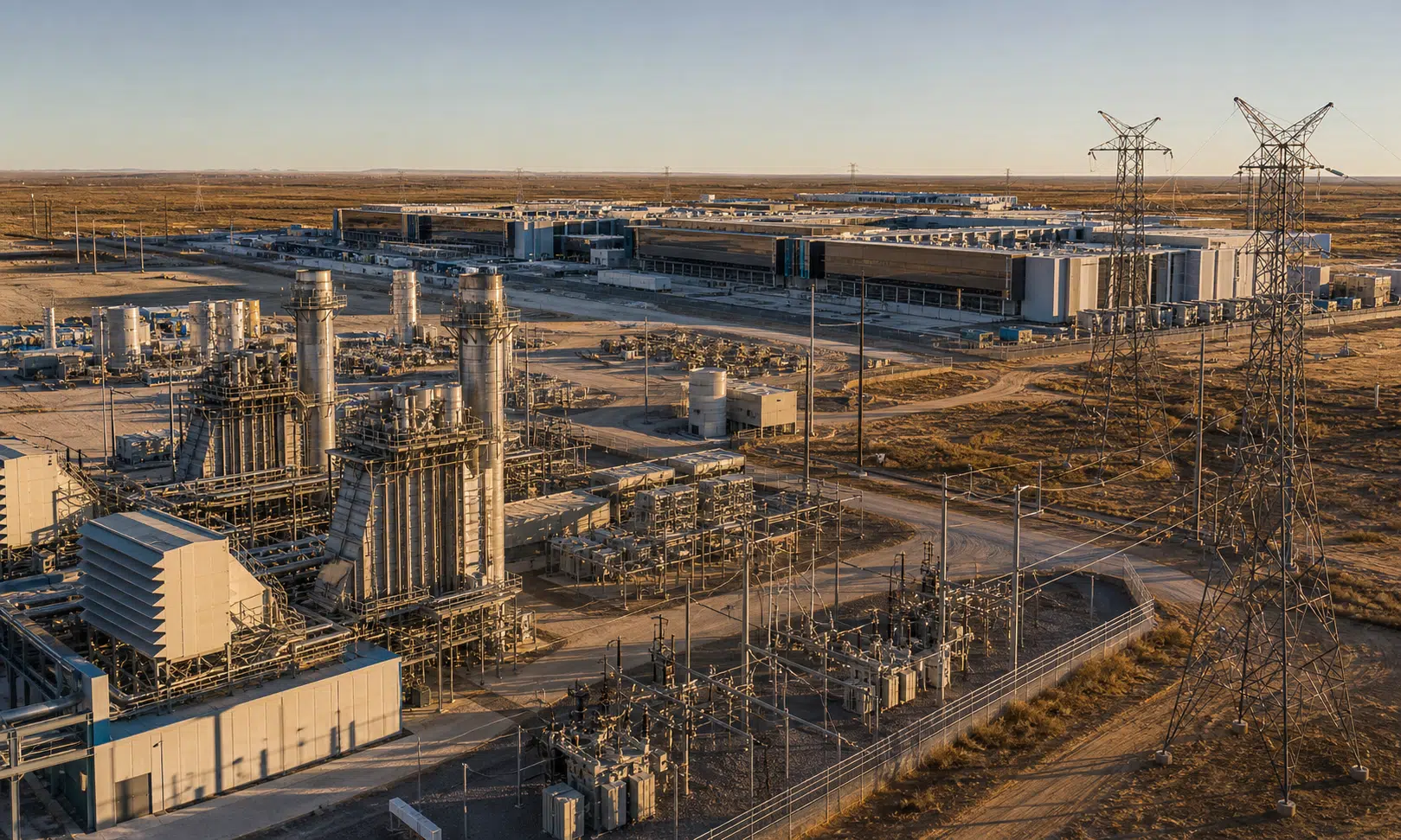

Chevron says it has reached a 20-year agreement to supply natural gas power for a large Microsoft data center project in West Texas, a deal that puts the growing energy demands of AI infrastructure in unusually plain view.
The project, known as Project Kilby, is planned for Reeves County and has not yet moved into full construction. Chevron has described the site as a major power customer, with an expected electricity need of nearly 2.7 gigawatts, though that scale has not been independently verified. The company has pointed to 2028 as a target for power delivery, but the project still depends on a final investment decision expected later this year.
Why Microsoft is looking beyond renewables
Microsoft has been racing to expand the data center capacity behind its cloud and AI businesses. That buildout has made electricity supply a strategic problem, not just a facilities issue. AI data centers need large amounts of power that can run around the clock, and Microsoft has been looking for sources that can match that steady demand.
Chevron’s plan centers on natural gas from the Permian Basin, with power infrastructure expected to sit at or near the data center site if the project moves ahead. GE Vernova is expected to provide most of the large gas turbines for the power setup, while Caterpillar is also slated to supply turbines. Those equipment and timing details should be treated as project plans rather than completed infrastructure.
A fossil-fuel answer to an AI power problem
The agreement highlights a practical tension in Big Tech’s AI expansion. Microsoft has invested heavily in renewable energy and has also pursued nuclear-related power options, but the company is still searching for electricity sources that can be brought online reliably for massive, always-on facilities.
For Chevron, the deal is a way to position natural gas as a fast, dispatchable power source for data centers. For Microsoft, it shows how the AI boom is pushing even climate-conscious tech companies toward a broader mix of energy options when reliability, scale, and timing become the deciding factors.