Environmental advocate Erin Brockovich is calling for earlier public disclosure about U.S. data center development, using a public reporting map to collect residents’ concerns about projects near their communities.
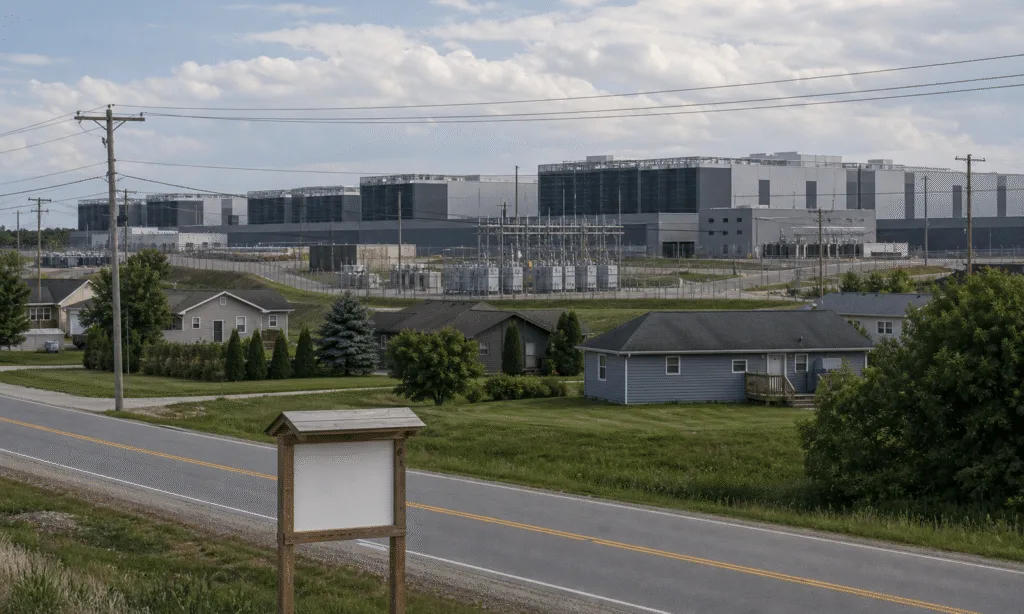
Brockovich described the map as a way to show where facilities are operating or being built and where communities are raising concerns about the expansion of AI infrastructure.
She said she asked residents on April 27 to report concerns about nearby AI data centers. Describing the response over the following month, Brockovich said 3,862 residents had submitted reports. She separately said the map had 2,716 pins representing 49 states.
Transparency was the most common concern in those submissions, ahead of noise, water use and rising utility bills, Brockovich wrote.
Calls for earlier public notice
Brockovich said residents described attending planning meetings only to discover that decisions had already been made. She identified what she described as a pattern of projects announced after permits were secured, developers who did not return calls and local officials who signed nondisclosure agreements before neighbors knew a project was being considered.
She called for residents to receive notice before development decisions are made, alongside public hearings with information about energy consumption, water use, noise levels and effects on local infrastructure.
Brockovich said she was not making a blanket argument against data centers or the technology they support. She said some communities had welcomed facilities following public engagement, disclosure of impacts and negotiations over community benefits.
The map draws in part on community submissions. Brockovich said it focused on locations where residents were actively voicing concerns and was not intended to show every data center in the United States.