


Home Assistant OS 18 is not the kind of update that changes how your automations look or suddenly makes a smart home feel new. The more useful way to read it is as a nudge toward the parts of a Home Assistant setup that usually get ignored until something breaks: memory pressure, boot firmware, install media, and the storage device doing all the boring work in the background.
That matters because Home Assistant often starts as a small weekend project and slowly turns into infrastructure. A Raspberry Pi that once handled a handful of lights and sensors can end up running add-ons, integrations, dashboards, backups, and years of device history. A mini PC can do the same job with more breathing room, but it still depends on sane defaults and a reliable boot disk.
The practical buyer question is not simply whether Home Assistant OS 18 is worth installing. It is whether your current Home Assistant hardware still matches the job you are asking it to do.
What Home Assistant OS 18 Changes for Smaller Systems
The most relevant reported change for lower-memory systems is a different approach to swap, the storage-backed fallback an operating system can use when physical RAM is under pressure. Swap is not a replacement for real memory. It is slower than RAM and should not be treated as a performance upgrade. But it can give a small server enough room to recover from a temporary spike instead of becoming sluggish or unresponsive.
Previous Home Assistant OS behavior tied swap size to a percentage of installed RAM. That approach can be awkward at both ends: low-RAM boards may not get much useful cushion, while higher-memory machines may reserve more storage than they really need for swap. The OS 18 change is described as moving toward a fixed default range between 1GB and 4GB, which would be more sensible for a mix of Raspberry Pi boards, older mini PCs, and larger x86 boxes.
For a 2GB Raspberry Pi-class setup, the point is not that swap makes the machine fast. It is that a little more fallback space can help when an integration, add-on, or database task briefly asks for more memory than expected. For a machine with much more RAM, a cap avoids treating storage as if it needs to scale endlessly with system memory.
That distinction is important for anyone deciding whether to keep using existing hardware. If your Home Assistant server is already running close to the edge, smarter swap behavior can improve resilience, but it does not change the underlying limits of a small board. If the system is regularly overloaded, adding RAM or moving to a more capable host is still the cleaner fix.
Raspberry Pi Users Should Pay Attention to Firmware
Raspberry Pi systems remain popular for Home Assistant because they are compact, efficient, and easy to tuck next to a router or network switch. They are also more sensitive to platform-specific details than a generic mini PC, especially around boot behavior and attached storage.
One OS 18 convenience aimed at Raspberry Pi users is the ability to check and update bootloader firmware from within Home Assistant OS using the command line. That is useful because firmware updates are the kind of maintenance task many people forget until they are troubleshooting a blank screen, a boot failure, or an odd hardware compatibility issue.
There is also a specific caution for Raspberry Pi 5 owners: systems with older bootloader firmware may need to be updated before installing OS 18, with February 2025 mentioned as the minimum firmware vintage to avoid a possible display freeze during boot. Treat that as a pre-update checklist item rather than an optional detail. If your Home Assistant box is headless and lives in a closet, you do not want to discover a boot problem only after the smart home is offline.
This is where the Raspberry Pi remains both appealing and slightly fiddly. It is cheap to start, quiet, and power-efficient, but it rewards careful setup. If you are building a new Home Assistant server and want fewer hardware-specific chores, a small x86 mini PC can be the easier long-term host.
Installation and VM Changes Reduce Setup Friction
Home Assistant OS 18 is also described as moving from Linux 6.12 to Linux 6.18 across supported platforms. Kernel updates are not exciting in the same way as new automation features, but they are often the plumbing that improves hardware support, security coverage, and stability over time.
For new installs, the more visible change is smaller installation images. Leaner images are quicker to download and flash, and the data partition can expand to fill the available storage on first boot. That is a small but welcome improvement for anyone setting up Home Assistant on fresh media, especially if they are moving from a test install to a more permanent disk.
Virtual machine users get a related quality-of-life improvement: VM image formats are described as being pre-sized at 32GB. The practical benefit is simple. You should not have to immediately expand the virtual disk just to get a usable Home Assistant VM running.
These are setup improvements rather than reasons to rebuild a working system from scratch. But for a new install, they reduce the number of early chores between flashing an image and getting to the part that matters: pairing devices, restoring backups, and confirming automations behave as expected.
The Bigger Upgrade Decision: Pi, SSD, or Mini PC?
The hardware decision around Home Assistant usually comes down to three options: keep a Raspberry Pi-class setup, improve that setup with better storage, or move to a mini PC. OS-level improvements can help, but they do not erase the tradeoffs.
| Setup | Best fit | Main tradeoff |
|---|---|---|
| Raspberry Pi with microSD | Testing, very small installs, short-term experimentation | MicroSD cards are a weak point for long-running systems with frequent writes |
| Raspberry Pi with SSD | Compact, efficient Home Assistant servers that need better reliability | Requires extra hardware and setup, depending on the Pi model |
| Mini PC | Larger Home Assistant installs, add-ons, VMs, and extra self-hosted services | Usually draws more power and takes more space than a Pi |
The easiest mistake is running a serious Home Assistant server from a microSD card indefinitely. It can work at first, and it is a tempting way to get started, especially on a Raspberry Pi. But Home Assistant is not just sitting idle. It writes logs, device history, automation events, sensor updates, and database changes. Over time, that constant activity is hard on memory cards.
If the same card also holds your local backups, the risk is worse. A failing card can take the system and the backup path with it. Cloud backups or off-device backups help, but the better move is to use storage designed for the workload.
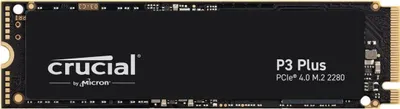
Crucial P3 Plus 500GB NVMe SSD
A modest NVMe SSD gives a Home Assistant install more durable storage for the OS, database, add-ons, and backups. Pair it with a compatible Raspberry Pi M.2 adapter or use it in a mini PC that supports M.2 2280 drives.
As an Amazon Associate I earn from qualifying purchases.
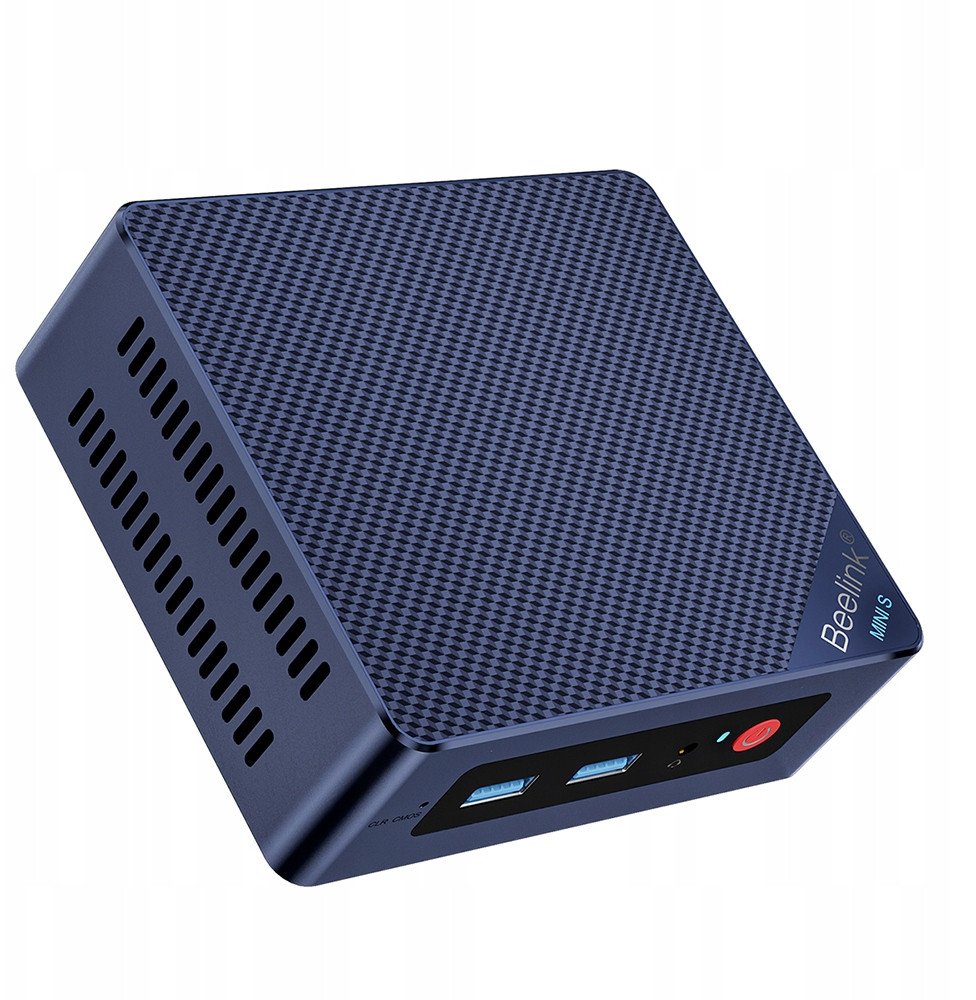
Beelink Mini S12 Pro N100 Mini PC
An N100 mini PC with 16GB of memory and built-in SSD storage gives Home Assistant more room for add-ons, databases, and related home server tasks. It is a better fit when a Raspberry Pi setup is regularly running close to its limits.
As an Amazon Associate I earn from qualifying purchases.
An SSD is the most straightforward reliability upgrade for many Raspberry Pi builds. On a Raspberry Pi 5, that may mean using an M.2 HAT and a small M.2 drive. Home Assistant does not need a massive SSD, so capacity is less important than getting off fragile removable flash storage. A modest drive can be enough for the OS, the database, add-ons, and a sensible backup strategy.
A mini PC is the next step when the server has outgrown the Pi model. The appeal is overhead. A small x86 machine can run Home Assistant with more memory, faster storage, and room for other services such as media tools, file sharing, local cloud software, or emulation. The tradeoff is power use and, often, cost. Depending on local prices, though, a Raspberry Pi plus an M.2 adapter plus an SSD can get close to the price of an entry-level mini PC that already includes storage and memory.
Who Should Update, and Who Should Upgrade Hardware?
If your Home Assistant system is stable, backed up, and running from an SSD or reliable internal storage, OS 18 looks like the kind of maintenance update that should make day-to-day operation a little cleaner rather than radically different. Check your platform notes, make sure backups are current, and pay close attention to Raspberry Pi firmware if you are on a Pi 5.
If you are still running from a microSD card, the more urgent upgrade may not be the OS at all. Move the install to an SSD before the card becomes the single point of failure for your smart home. That is especially true if your setup has grown beyond a few devices and now includes add-ons, dashboards, voice integrations, or a busy sensor history.
If your server regularly runs out of memory or slows down under load, OS 18’s memory handling may provide more breathing room, but it should not be treated as a cure for undersized hardware. A bigger Pi model, a used mini PC, or a small new mini PC will give you more headroom than swap ever can.
The sensible path is to match the hardware to the role Home Assistant now plays in your home. For a lightweight setup, a Raspberry Pi with SSD storage is still a strong option. For a growing smart home or a combined home server, a mini PC is easier to justify. Home Assistant OS 18 just makes that decision clearer: reliability comes from the boring pieces being right.