


Huawei’s HarmonyOS is being positioned as more than a phone and tablet operating system. The latest reported claim around the platform is much smaller in scale, and that is what makes it notable: a Huawei executive is said to have discussed further optimization that could bring HarmonyOS down to a 64KB RAM target.
That figure has not been independently verified, so it should be treated as a company-side claim rather than a confirmed technical benchmark. Still, the direction is clear. Huawei appears to be emphasizing HarmonyOS as a platform that can stretch from larger consumer devices into far smaller embedded and IoT hardware.
Why the 64KB RAM Claim Matters
The reported remarks from Huawei Developer Conference 2026 describe HarmonyOS as already capable of operating with very small memory requirements, with 128KB of RAM cited as the current reference point. The same comments point to a possible 64KB RAM target after further optimization.
Those numbers are unusually low compared with the memory footprints people associate with mainstream phone, PC, and tablet operating systems. The more useful comparison, however, is not really with full desktop or smartphone software. It is with tiny connected devices, sensors, controllers, and other embedded systems where every kilobyte of memory and every unit of power draw matters.
If Huawei can make HarmonyOS practical at that level, the platform could fit into more categories of low-power hardware. That would support Huawei’s broader ecosystem strategy, because an operating system that scales down well can appear in more device types, not just premium consumer electronics.
The Battery-Life Claim Needs Careful Reading
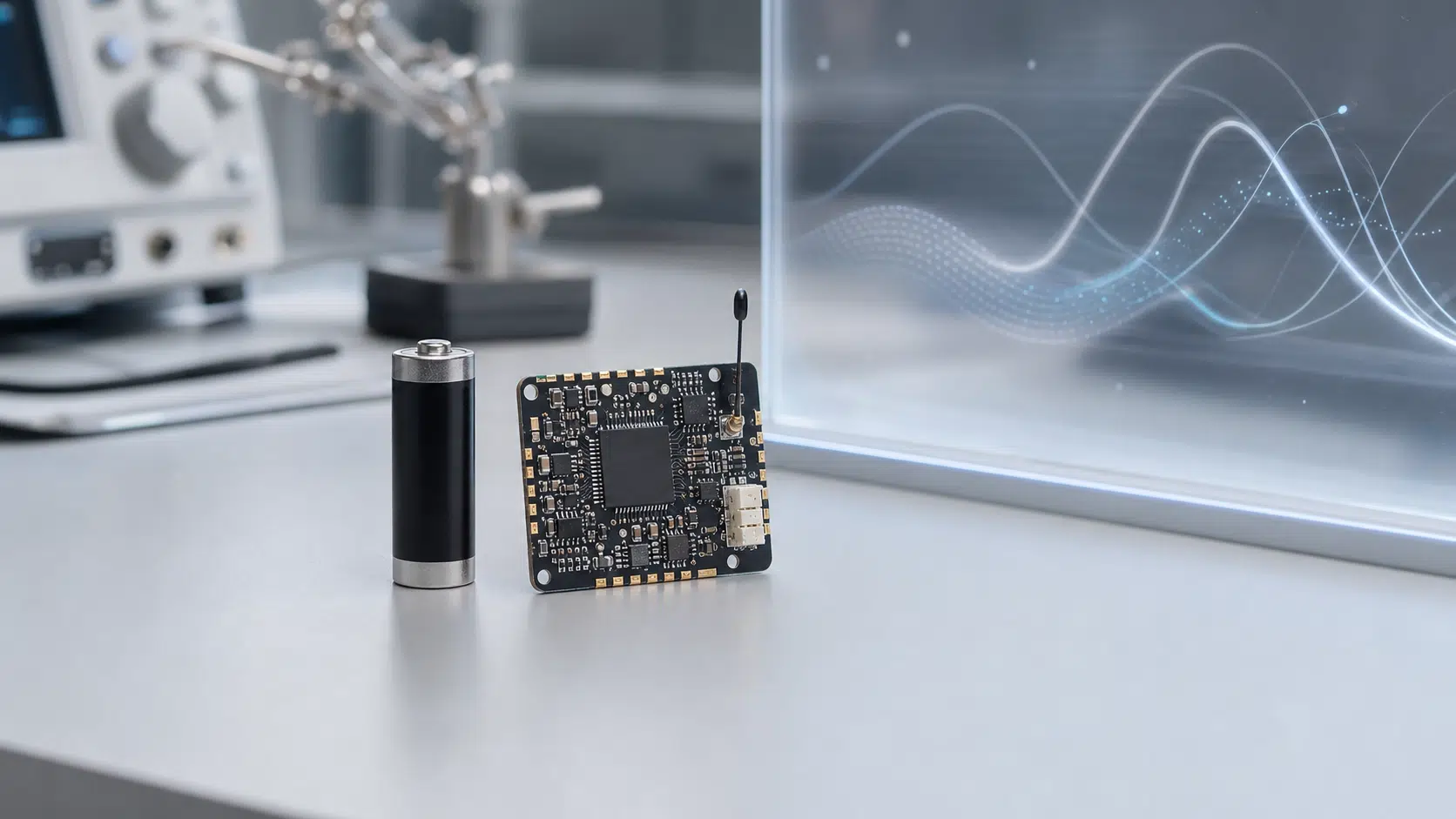
The same reported keynote also included a claim that HarmonyOS could run for a year on a single dry cell battery in an IoT-style device. That statement should be read carefully. Battery life depends heavily on the device, battery size, wireless activity, sensor workload, sleep behavior, and surrounding hardware.
In other words, the operating system may be part of the efficiency story, but it cannot determine year-long battery life by itself. The practical takeaway is that Huawei is presenting HarmonyOS as suitable for devices that spend long periods in low-power states and only wake for small tasks.
Chip Packaging Is Part of the Wider Pitch
Huawei is also reported to be discussing chip technology under the LogicFolding name. The claim is that this approach could improve chip density and clock-speed potential while relying on existing DUV equipment rather than EUV tools. That has not been independently verified, so it is best understood as a stated technical ambition, not a proven manufacturing result.
Taken together, the HarmonyOS memory claims and LogicFolding discussion show where Huawei wants the story to go: software that can run on extremely constrained devices, paired with hardware work intended to reduce dependence on the most advanced lithography equipment.
For buyers and developers watching the IoT market, the important question is not whether a headline memory number sounds impressive. It is whether Huawei can turn these claims into stable developer tools, reliable devices, and repeatable performance in real products.