

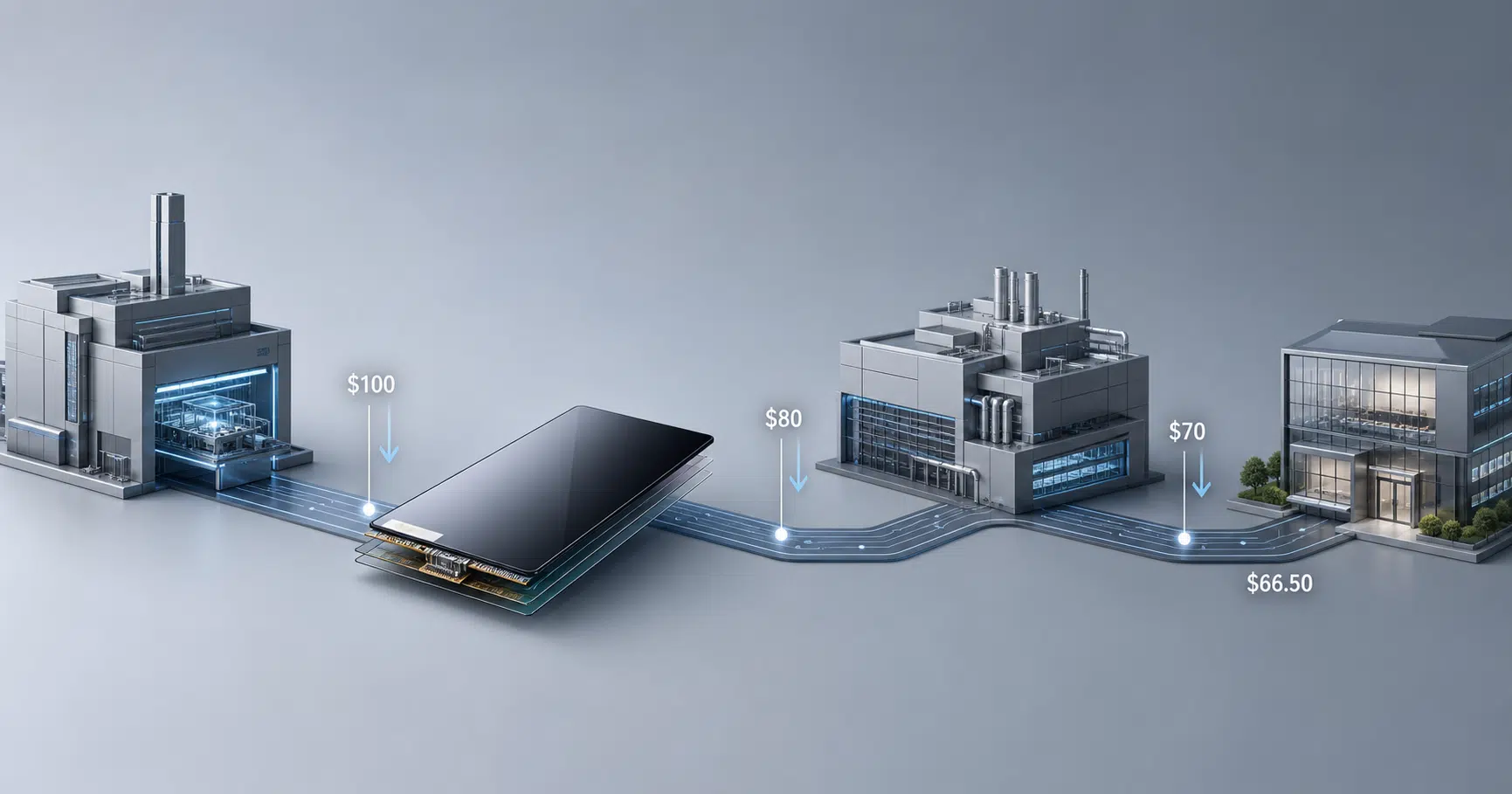

Apple may be trying to keep the iPhone 18 price under control by demanding cheaper displays, but the details remain unverified. The central claim is that Apple has pushed Samsung Display and LG Display toward substantially lower prices for the panels intended for the iPhone 18 Pro Max.
That would be a meaningful move if the figures prove accurate, especially because the proposed panels are also said to be more difficult to manufacture. It is not, however, a promise of a cheaper iPhone. Apple has not publicly confirmed the negotiations, the panel specifications, the launch schedule, or retail pricing for the anticipated models.
For buyers, the practical conclusion is straightforward: treat the component figures as an early indication of Apple’s possible cost strategy, not as a reason to postpone a purchase or budget for a particular price.
Buyer verdict: Don’t read component savings as a price cut
The rumored negotiations suggest Apple could be looking for ways to offset higher memory and chip costs elsewhere in the device. Even if Apple secures every proposed display saving, there is no confirmed link between that reduction and the price customers would ultimately pay.
Apple could use lower panel costs to limit a future price increase, protect its margins, cover higher expenses elsewhere, or combine those outcomes. Without confirmed product pricing, buyers cannot know which scenario is most likely.
This makes the rumor more useful as a window into potential supply-chain pressure than as purchase guidance. Anyone shopping for an iPhone should compare available models using their actual prices, features, and trade-in values rather than assigning financial meaning to an unreleased phone.
The unverified display figures
The figures under discussion describe a steep decline in the unit cost of Apple’s largest Pro display. They have not been independently verified and should not be treated as confirmed contract prices.
| Model | Claimed panel price | Verification status |
|---|---|---|
| iPhone 16 Pro Max | More than $100 in some cases | Unverified |
| iPhone 17 Pro Max | About $80 | Unverified |
| iPhone 18 Pro Max | Initially targeted at $70 | Unverified |
| iPhone 18 Pro Max | Later reduced to about $66.50 | Unverified |
If accurate, the final figure would represent a considerable reduction from the amounts claimed for earlier generations. It would also show how aggressively Apple can negotiate when rising costs in one part of a device threaten the broader product budget.
There are important limits to that interpretation. The numbers do not establish how much Apple pays across every panel order, whether different suppliers receive identical terms, or how production volumes and yield requirements affect the effective cost. The alleged $66.50 price is therefore best understood as an unconfirmed negotiation figure, not a complete bill-of-materials calculation.
The M16 OLED complication
The rumored specification calls for an M16 OLED stack. That design is claimed to offer improvements in brightness, color reproduction, power efficiency, and panel lifespan, although neither the specification nor those benefits have been confirmed for an iPhone 18 model.
The proposed manufacturing tradeoff is equally important. Suppliers would reportedly need to modify production processes and stabilize yields while accepting a lower unit price. In other words, Apple may be asking for a more capable and initially more demanding panel at a lower cost.
That tension is the most revealing part of the claim. A price reduction that accompanies routine, mature production would be unsurprising. Securing one while manufacturing requirements are supposedly increasing would indicate much stronger pressure on suppliers. It could also leave those suppliers depending on production efficiencies to make the contract sustainable. The extent of that pressure remains unconfirmed, despite comments attributed to display-industry executives about rising chip costs and demands for lower component prices.
What prospective iPhone buyers should do
There is no firm public timeline or confirmed retail price for the iPhone 18 Pro, iPhone 18 Pro Max, or a possible iPhone Ultra. Buyers should be especially cautious about treating an anticipated September release or an additional Ultra model as settled fact.
A sensible decision depends on need rather than supply-chain speculation:
- If your existing phone works well, waiting for official product and pricing details avoids making a decision around unverified specifications.
- If you need a replacement, judge available iPhones on their confirmed prices and features. A rumored component discount on a future model does not guarantee better value.
- If price is the main concern, set a budget before launch announcements and compare the complete purchase cost, including storage, accessories, and any trade-in offer.
The display negotiations could eventually help Apple soften the impact of higher component costs. They could just as easily help preserve profitability without producing a visible saving at checkout. Until Apple confirms the devices and their prices, the safest buyer verdict is to regard the rumored cost squeeze as interesting industry context, not a shopping signal.