

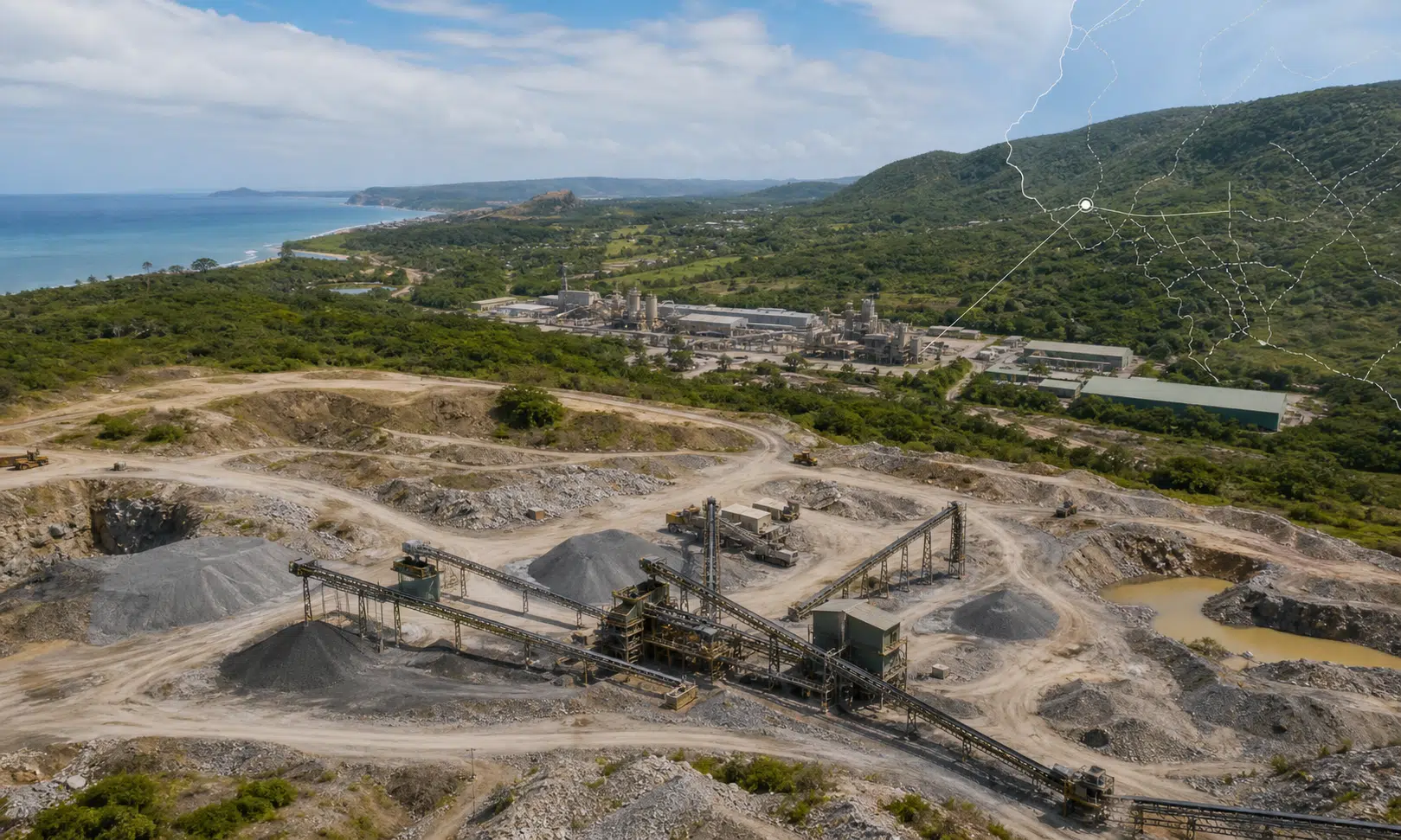

Kenya’s talks with the United States over the Mrima Hill rare earth and niobium deposit are being framed around a familiar but increasingly urgent question for resource-rich countries: who gets to process the minerals, and who keeps the value?
The proposed arrangement centers on Mrima Hill in Kwale County, a deposit often described as one of Africa’s major undeveloped rare earth and niobium prospects. The project has been associated with an estimated value of about $62.4 billion, though the precise valuation and the final commercial terms have not been independently verified.
What makes the discussions notable is not just the deposit itself. Kenyan President William Ruto has said the minerals covered by the arrangement would be processed in Kenya, rather than exported only as raw material. That condition, if it survives into a final deal, would make local value addition the centerpiece of the partnership instead of an afterthought.
Why Mrima Hill matters
Rare earths and niobium sit in the category of strategic minerals that governments and manufacturers increasingly care about because they feed into high-value industrial supply chains. The source material links them to clean energy systems, advanced manufacturing, and defense technologies, but the exact scope of the Kenyan agreement has not been fully detailed.
Mrima Hill’s importance comes from that combination of geology and geopolitics. A deposit with rare earths and niobium is not simply a mining asset. It can become part of a wider supply chain discussion involving refining capacity, export controls, industrial policy, and long-term purchasing agreements.
For Kenya, the attraction is clear: a minerals deal that requires domestic processing could create more local economic activity than a raw export model. It could also give the government a stronger negotiating position as larger economies look for access to critical minerals outside established supply chains.
The harder part is execution. Processing strategic minerals is expensive, technical, and heavily dependent on infrastructure, environmental approvals, financing, and downstream buyers. A preliminary agreement does not automatically answer those questions. It only sets the direction of travel.
The local-processing condition is the real test
Ruto’s emphasis on processing minerals in Kenya reflects a broader shift across African mining policy. Governments are pushing for more value to remain inside the country where resources are extracted, rather than watching raw materials leave and return later as higher-margin components or finished goods.
That shift can make deals more attractive politically, but also more complex commercially. A buyer or partner seeking access to minerals has to account for local refining, processing facilities, energy supply, transport, skills, and regulatory timelines. Kenya would also need to ensure that domestic processing rules do not stall investment by making projects harder to finance.
The reported US-Kenya arrangement remains preliminary, so it should not be treated as a completed transfer of control over the deposit. The safer read is that Washington and Nairobi are moving toward a framework that could give the US a stronger role in Kenya’s critical minerals sector while giving Kenya a chance to insist on more domestic value capture.
A minerals race with China in the background
The talks also fit into a larger contest over critical minerals, even if the final shape of the Kenya arrangement is still unresolved. China has long held a powerful position in rare earth processing and mineral supply chains, while the US has been looking for ways to reduce exposure to concentrated refining capacity.
That does not make every African mining deal a simple US-versus-China story. Kenya’s priority appears to be more practical: attract investment without repeating a raw-export model that leaves most of the value elsewhere. For Washington, a deal structured around Kenyan processing could offer access to strategic minerals while also aligning with the value-addition language African governments increasingly use.
Russia is also often discussed in the wider African resource context, particularly where mining interests intersect with security relationships. But in Kenya’s case, the central issue is narrower and more concrete: whether a US-linked minerals arrangement can move from preliminary talks to a bankable project built around local processing.
What still needs to be settled
The big unanswered questions are the ones that determine whether the deal becomes a real supply-chain project or remains a political announcement.
- What rights, if any, US entities would receive over the Mrima Hill deposit
- Which minerals would be covered by the final agreement
- How domestic processing in Kenya would be financed and regulated
- Whether the $62.4 billion valuation is supported by current, independently verified project data
- How environmental, community, and export approvals would be handled
Until those details are settled, the agreement is best understood as an early-stage strategic minerals framework rather than a finished mining deal. Still, the direction is significant. Kenya is signaling that access to its mineral wealth will come with conditions, and local processing is at the top of that list.
If the arrangement moves forward, it could become a useful test case for how African governments negotiate with major powers over critical minerals: not just who extracts them, but where the most valuable work happens after they come out of the ground.