

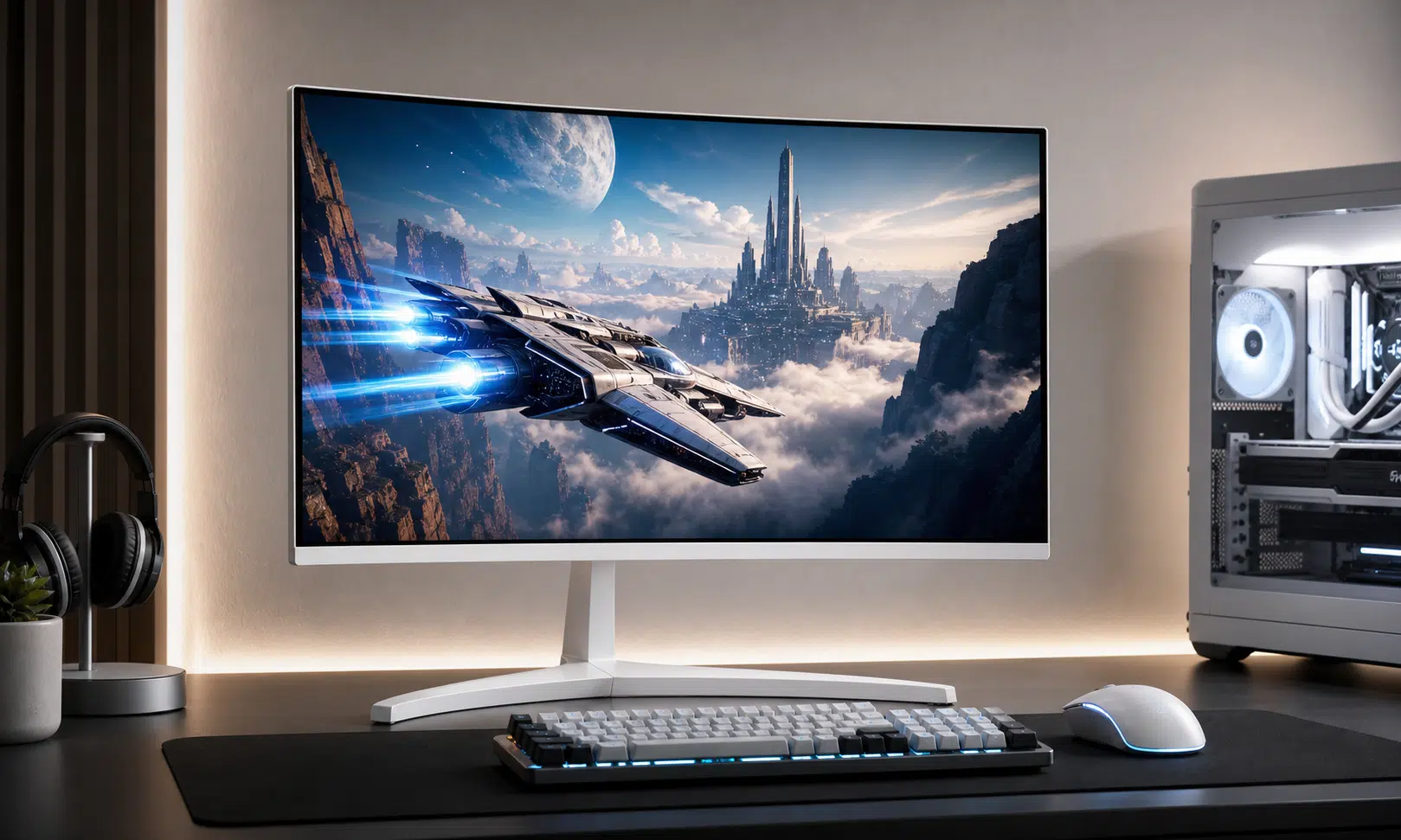

The Philips Evnia 27M2N8500 is the kind of gaming monitor that tends to sit in the premium aisle: QD-OLED panel, QHD resolution, a 360Hz refresh rate, and a design that leans harder into desk setup aesthetics than the average black rectangle. If you are seeing it listed around $539.99, with a claimed 16 percent discount, it is worth a closer look, though monitor pricing changes quickly and the live Amazon listing should be checked before treating that as a final deal.
The appeal here is not just one headline spec. This is a 27-inch-class display aimed at players who want the contrast and color advantages associated with OLED-style panels without giving up the speed normally associated with esports monitors. That combination makes it more flexible than a slower cinematic display and more visually ambitious than a plain high-refresh LCD.
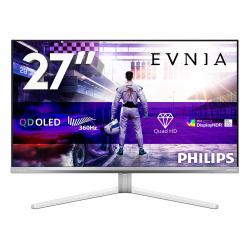
Philips Evnia 27M2N8500 QD-OLED Gaming Monitor
This is the specific QD-OLED gaming monitor discussed here, with a 27-inch-class QHD panel and 360Hz refresh rate. Check the live listing for current price, availability, warranty details, and seller terms before deciding.
As an Amazon Associate I earn from qualifying purchases.
What the Philips Evnia 27M2N8500 is trying to offer
The core pitch is straightforward: a QD-OLED gaming monitor with QHD resolution and a 360Hz refresh rate. That makes it a better fit for a high-end gaming PC than for a casual office setup, since you need enough GPU power to make the most of the refresh rate, especially at 1440p.
Philips also lists DisplayHDR True Black 400 support and Ambiglow lighting for this model. Ambiglow is Philips’ rear lighting system, designed to cast color onto the wall or desk area behind the monitor. It is not essential to performance, but it does give the Evnia line a more distinctive look, particularly for setups built around lighter hardware or visible RGB lighting.
For buyers comparing gaming monitors, the relevant spec mix looks like this:
| Feature | Why it matters |
|---|---|
| QD-OLED panel | Targets strong contrast, deep blacks, and vivid color reproduction |
| QHD resolution | Sharper than 1080p while still realistic for high frame-rate gaming |
| 360Hz refresh rate | Built for very smooth motion in competitive games when paired with a fast PC |
| 0.03ms response time claim | Signals fast pixel response, though real-world performance depends on testing conditions |
| Ambiglow | Adds reactive rear lighting for a more stylized setup |
Why QD-OLED still matters for games and media
The main reason to consider a QD-OLED monitor is image quality. Philips lists 98.5 percent DCI-P3 color coverage, a 1.5M:1 contrast ratio, and up to 1000 nits peak brightness for the Evnia 27M2N8500. Those numbers should be treated as manufacturer specifications rather than independent test results, but they do explain the monitor’s target: rich color, strong contrast, and bright highlights in HDR-friendly content.
For slower single-player games, that can make a visible difference. Dark scenes can look cleaner, bright effects can stand out more sharply, and colors can appear more saturated than on many conventional gaming displays. For films and video work, wide DCI-P3 coverage is also relevant, although creators should still care about calibration, brightness behavior, and burn-in management before buying any OLED monitor for regular editing use.
The usual OLED caveats still apply. Static desktop elements, long HUD-heavy sessions, and productivity use are worth thinking about. Modern OLED monitors typically include panel-care features, but anyone planning to use this as an all-day work display should look closely at warranty terms and burn-in protections before committing.
The 360Hz refresh rate is the other half of the story
A 360Hz refresh rate puts this Philips monitor in competitive gaming territory. It is most useful in games where frame rate and input feel matter more than cinematic settings: shooters, esports titles, and fast multiplayer games. To actually benefit from it, your PC has to push frame rates high enough to meet the display halfway.
That is an important buyer filter. If your GPU usually sits closer to 80fps or 120fps at QHD, the monitor can still look good, but you are not buying it for its full speed advantage. If you play games that can run well above 240fps and you care about motion clarity, the 360Hz panel becomes much easier to justify.
Philips also lists AMD FreeSync Premium Pro support. In practical terms, variable refresh rate support is meant to help smooth out frame-rate changes and reduce tearing. It is especially relevant on a monitor like this because users are likely to move between demanding AAA games, where frame rates fluctuate, and competitive titles, where they may chase very high frame rates.
Who should consider this monitor deal?
The Evnia 27M2N8500 makes the most sense for someone who wants one monitor to handle both high-end visuals and serious speed. It is overkill if you mostly browse, work in documents, or play console games capped far below its refresh rate. It is also not the cheapest way to get a fast QHD gaming display, since non-OLED 240Hz and 360Hz monitors can often cost less.
Its strongest audience is PC gamers who want QD-OLED contrast, 1440p sharpness, and enough refresh-rate headroom for competitive play. The design also matters here. The Evnia line has a more styled look than many gaming monitors, and the Ambiglow system may appeal to buyers who want the display to feel like part of the setup rather than just another panel on a stand.
The main thing to check is the live price. If the monitor is still near the $539.99 figure, it could be a compelling option compared with other 27-inch QD-OLED gaming monitors in the same performance class. If the price has climbed, the comparison gets more complicated, and it is worth checking competing QD-OLED models from brands such as AOC, Gigabyte, MSI, Samsung, and LG before deciding.
For the right PC and the right price, the Philips Evnia 27M2N8500 looks like a strong fit for buyers who do not want to choose between a vivid OLED-style image and a genuinely fast competitive display. Just make sure the deal is still live before treating it like a bargain.