


Reports around a possible Raptor Lake Next release should be read with caution, but the idea behind them is easy to understand: many PC builders still want an Intel platform that works with DDR4 memory.
Intel has not publicly confirmed a firm Raptor Lake Next launch schedule, final product names, or specifications. The reported plan describes another Raptor Lake-based refresh that would sit below or alongside newer platforms, giving budget-focused buyers a way to avoid a full DDR5 platform move.
That matters because the CPU is only part of the upgrade cost. For many desktop buyers, the real decision is whether they can reuse DDR4 memory and an older platform class, or whether they need to buy into a newer motherboard and DDR5 memory at the same time.
What The Report Claims
The reported lineup is being described informally as Raptor Lake Next, but that name has not been confirmed by Intel. The core claim is that Intel may keep Raptor Lake-based desktop chips in the market longer than expected, with a possible launch window discussed around 2027. A firm timeline has not been publicly confirmed.
The report also suggests that these chips could exist near Intel’s next-generation Nova Lake products rather than directly replacing them. In that framing, Nova Lake would serve buyers moving to newer DDR5-focused platforms, while a Raptor Lake-derived lineup would keep a lower-cost DDR4 route alive.
That split would make commercial sense if motherboard makers and system builders still see demand for DDR4 systems. It would also give Intel another option in the value desktop segment, where platform cost can matter more than having the newest architecture.
Why DDR4 Still Matters To Buyers
For shoppers, the appeal is not nostalgia for an older memory standard. It is total platform cost. A DDR4-compatible CPU can be attractive when the buyer already owns usable memory, is upgrading a budget gaming PC, or is building several systems where every motherboard and memory purchase adds up.
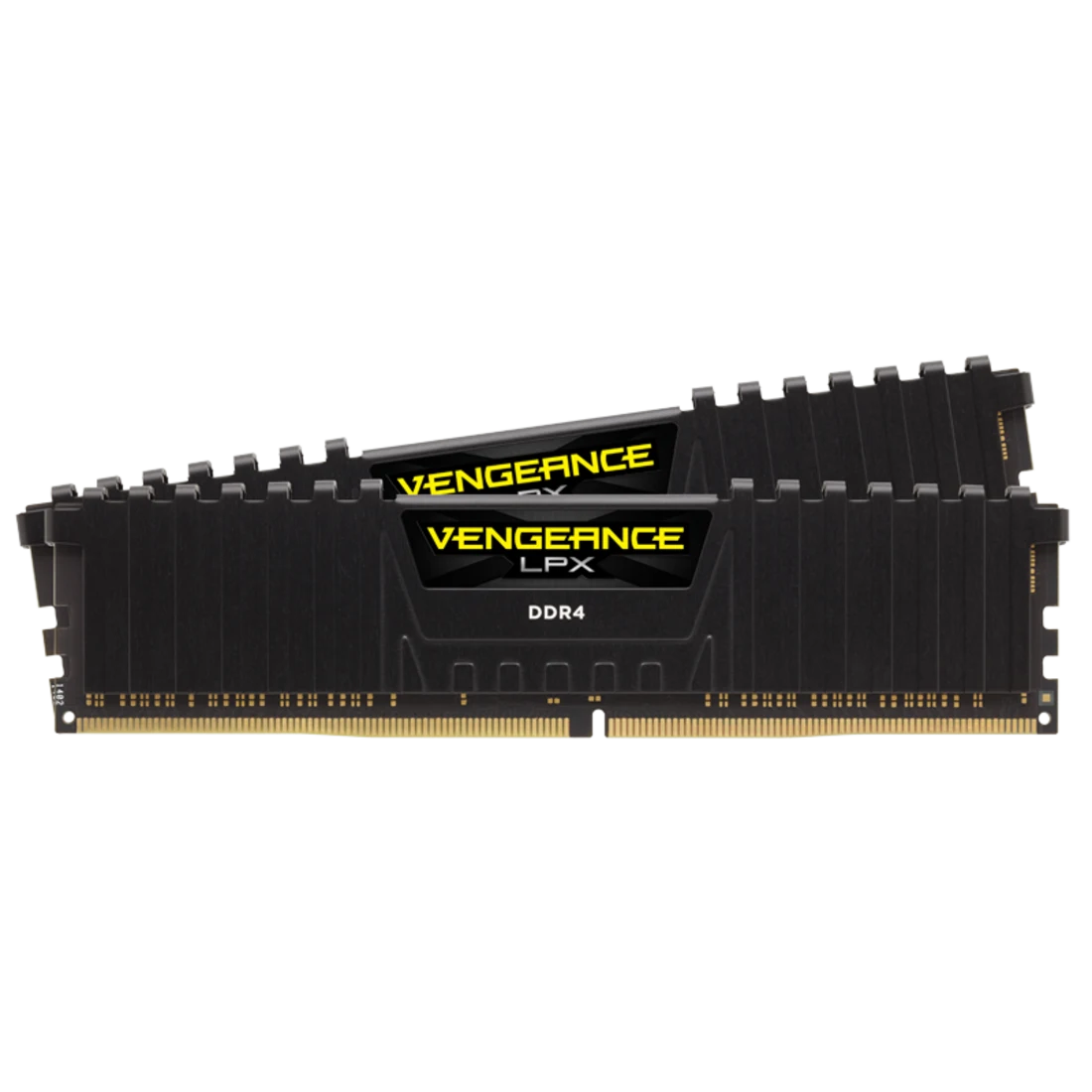
Corsair Vengeance LPX 32GB DDR4-3200 Memory Kit
A 32GB DDR4-3200 kit is a practical fit for builders keeping an existing DDR4-compatible Intel platform alive. Check motherboard memory support and clearance before buying, especially in compact cases.
As an Amazon Associate I earn from qualifying purchases.
The tradeoff is that an older platform may not offer the same forward-looking feature set as a newer DDR5 system. Buyers should treat any future Raptor Lake refresh as a value and compatibility play, not as a guaranteed performance leader.
A practical buying view looks like this:
| Buyer priority | Likely better fit | Reason |
|---|---|---|
| Lowest upgrade cost | DDR4-compatible Intel platform | May allow reuse of existing memory and cheaper boards |
| Newest platform features | Nova Lake or another newer platform | Better suited to buyers starting from scratch |
| Short-term office or budget gaming build | Raptor Lake-based option, if priced well | Performance may be enough without a full platform reset |
| Longer upgrade runway | Newer DDR5 platform | More likely to support newer platform features over time |
What Is Still Unclear
The most important unknowns are the ones that would decide whether this is actually useful for buyers: pricing, motherboard support, model names, core counts, power limits, and whether Intel would introduce new SKUs or simply repackage familiar silicon under a different branding structure.
The report also does not settle how Intel would position such chips against Arrow Lake, Core-branded Raptor Lake refresh products, or future Nova Lake parts. Without official details, it is safer to view Raptor Lake Next as a reported product direction rather than a confirmed roadmap item.
Buyer Verdict
If the report proves accurate, Raptor Lake Next would not be exciting because it is radically new. It would be interesting because it could keep an affordable DDR4 Intel upgrade path available for builders who are trying to control total system cost.
For buyers planning a build soon, the sensible move is to judge available parts by real pricing, motherboard compatibility, and workload needs rather than waiting on an unconfirmed refresh. For budget builders who can reuse DDR4 memory, though, the reported strategy is worth watching because it speaks directly to the cost pressure around modern desktop platforms.