


The comparison is not exact, and it should not be pushed too far. West Sussex is not Provence. It does not have the same heat, the same lavender fields, or the same hilltop villages turning gold in southern French light.
But in a particular pocket of the South Downs, around Petworth, Midhurst, Graffham and Bignor, the idea starts to make a certain kind of sense. The landscape is English in its bones, yet the mood can feel unexpectedly continental: market towns with antiques shops and old stonework, warm yellow-painted timbers on estate cottages, purple heathland in season, Roman remains in quiet countryside and local sparkling wine made on chalk soils.
That is the useful way to read this part of West Sussex. It is not a substitute for Provence. It is a quieter English countryside break with a few of the same pleasures people often travel to France for: good food, old towns, slow lanes, landscape colour and a strong sense of place.
For travellers weighing up a short UK escape, that makes it worth a closer look. It is also a part of the South Downs that can feel less obvious than the national park’s busier postcard views, especially if your idea of a good weekend is built around walking, browsing, eating well and finding one or two places that do not feel overworked.
Why this corner of the South Downs feels different
The South Downs is a broad landscape, so it is easy to flatten it into one image: chalk hills, sheep pasture, long views and walking routes. The western part of West Sussex adds another texture. Around Petworth and Midhurst, the countryside is a mix of woodland, heath, old estates, villages, commons and lanes that move between open ground and enclosed green shade.
The source of the Provence comparison is partly visual. In season, purple heather can colour the commons and sandy heath, giving the area a softer English answer to the lavender fields that draw visitors to southern France. Rhododendrons also appear in the wider woodland landscape during spring and early summer, though the exact displays vary by place and season.
It is also architectural. Petworth and Midhurst both have historic streets that reward slow wandering, and several villages and estate buildings in the area use warm yellow-painted exterior timber. The colour is often associated locally with the Cowdray Estate, and it gives some cottages and buildings a distinctive look against brick, flint and stone.
Then there is the pace. The appeal described in the original trip was not a claim that the area is unknown, empty or guaranteed to be quiet. It was more specific than that: this part of West Sussex can suit visitors who want the countryside without building the whole trip around one marquee attraction. The best days here are not usually about rushing between sights. They are about linking a town, a walk, a pub or restaurant, and perhaps one historic stop.
Petworth: antiques, Georgian streets and a major house nearby
Petworth is the natural starting point for many visitors because it has a clear identity. It is strongly associated with antiques and interiors, and its centre has the kind of shopfronts, galleries and independent businesses that make browsing feel like part of the trip rather than a filler between bigger plans.
The town’s built environment helps. Georgian buildings, older lanes and small commercial streets give Petworth a settled, elegant feel. It is not a French brocante town, but if you enjoy the rhythm of looking through antiques, decorative objects, textiles, prints or furniture, the comparison is understandable.
Petworth House is the area’s headline heritage stop. The National Trust-managed house and its surrounding deer park give the town a major cultural anchor, while the wider estate landscape adds to the sense that Petworth is more than a pretty shopping stop. For a short break, the town works particularly well because it can fill a relaxed half day without much planning.
A practical Petworth visit is best kept simple: arrive with time to walk the town centre, leave space for the shops rather than treating them as a quick detour, and check opening times for Petworth House before building a day around it. Smaller independent shops and cafes can have more limited hours than high-street chains, particularly outside peak periods.
Midhurst and the Cowdray landscape
Midhurst is a short drive from Petworth and has a quieter character. Its streets, older houses and historic details make it another good base for slow wandering, especially for visitors who prefer texture over polish. It is the kind of town where the interest is cumulative: a church tower here, an old facade there, a lane that suddenly changes the view.
St Mary Magdalene and St Denys’s Church is one of the local landmarks worth noticing. The original account highlighted its unusual spire and fortified-looking profile, though architectural dating and interpretation are best left to specialist sources rather than stated too confidently in a travel rewrite. For a visitor, the simpler point is enough: the church adds to Midhurst’s historic character and is worth looking for while walking the town.
The Cowdray Estate is another reason the area feels distinctive. Ruins, estate buildings and the recurring yellow-painted timberwork create a recognisable local palette. The yellow is often described locally as Cowdray Yellow, and it is one of those small details that can make a region lodge in the mind. Against red brick, flint and greenery, it brings warmth without making the landscape feel staged.
Cowdray Ruins add a stronger note of drama. They sit in the landscape with the kind of weathered presence that can make English history feel unexpectedly close. The source article compared them loosely with ruins in the Dordogne. That is best understood as a mood rather than a literal match, but the point is fair: stone ruins, river views and old estate land can give this part of West Sussex a faintly continental romance.
Where the purple comes from
Provence has lavender. This part of the South Downs has heathland, woodland edges and seasonal purple tones that are less formal but still memorable. The colour is not arranged in neat agricultural rows, and that is part of the difference. It appears across commons, among sandy heath and through wilder open ground.
Around Midhurst, Graffham and nearby commons, walkers may find heather in late summer, while rhododendrons can bring strong colour earlier in the year. The exact timing depends on weather and location, so it is better to think in seasonal windows than fixed promises. Spring into early summer can bring rhododendron colour; summer into early autumn is the period most associated with heather.
Lavington Common and the woodland around it were singled out in the original account as a rewarding walking area. The route described moved from open heath into denser woodland, which is a good example of how varied this landscape can be within a relatively small area. Even if visitors choose a different route, the same principle applies: the best walks here often work because they shift between open light, enclosed trees and patches of seasonal colour.
Wildlife references in the source included birds such as red kites, siskins and goldcrests. Those sightings should be treated as personal observations rather than guaranteed experiences. Still, the broader point holds: this is a countryside trip where the small details matter. Birdsong, changing ground underfoot, flowering shrubs and the contrast between heath and woodland are part of the pleasure.
For anyone planning a walk, footwear matters more than fashion. Heathland paths and woodland routes can be sandy, uneven or muddy depending on weather. A map or downloaded route is also useful, especially where paths pass through commons and wooded areas that can feel less legible than open downland.
Bignor Roman Villa is the quiet historic surprise
Just outside the village of Bignor, Bignor Roman Villa gives the trip a different kind of depth. The site is known for Roman mosaic floors and offers a compact, atmospheric look at Roman life in Sussex. It is one of the strongest reasons to widen a South Downs itinerary beyond the better-known towns.
The setting is part of the appeal. Instead of feeling like a large, heavily processed attraction, Bignor has a rural quality that suits the surrounding countryside. The source account described sheep, green hills and thatched buildings, but the more important travel point is that the site can feel unusually intimate for something with such old and delicate remains.
Bignor works especially well as a counterweight to Petworth and Midhurst. After shops, streets and estate views, the villa brings the focus down to floors, rooms, fragments and craftsmanship. It is a slower visit, but a rewarding one if you are interested in ancient history, design or the way Roman Britain still surfaces in quiet corners of the landscape.
As with any smaller heritage site, visitors should check seasonal opening arrangements before setting out. It is also worth allowing enough time not to rush the mosaics. The pleasure is in looking closely rather than ticking it off.
Staying and eating: The Woodcote and local wine
The Woodcote, described in the source as a design-led restaurant with rooms, sits neatly within the mood of this itinerary. The original account focused on its countryside setting, meadow garden, woodland outlook, botanical interiors, brass bathroom details and a restaurant built around local ingredients. Those are personal impressions, but they point to the type of stay that suits this corner of the South Downs: small-scale, comfortable and closely tied to place.
For a weekend built around Petworth, Midhurst, Bignor and nearby walks, a restaurant-with-rooms format makes practical sense. It reduces the need to drive again after dinner, keeps the trip compact and turns the evening meal into part of the destination rather than an afterthought.
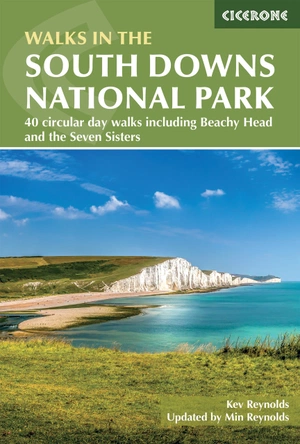
Walks in the South Downs National Park guidebook
A compact South Downs walking guide can help turn the towns, commons and historic stops in this itinerary into a more structured day out. Look for routes that include practical details such as distance, parking, public transport notes and map extracts.
As an Amazon Associate I earn from qualifying purchases.
The food described in the source leaned into local produce and polished rural cooking, including savoury madeleines, radish veloute and locally reared venison. Menu details can change, so those dishes should not be treated as fixed offerings. What matters for planning is the broader style: this is a good area for travellers who want a countryside stay where dinner is as important as the walk.
Sussex sparkling wine is another part of the story. The source singled out Sugrue’s The Trouble With Dreams, made by Dermot Sugrue and Ana Sugrue, as a standout bottle from nearby. The article also noted the region’s chalk soils and the often-made comparison with Champagne’s geology and climate history. That claim is commonly discussed in English wine circles, but for readers the useful takeaway is simpler: Sussex has become one of the most interesting English wine regions to explore, and local sparkling wine belongs naturally in this itinerary.
The Provence parallel is strongest here, not because the wine is trying to imitate France, but because it gives the trip the same shape people often seek abroad. Walk in the afternoon, eat well in the evening, drink something made close by and let the place set the pace.
How to plan a West Sussex South Downs break
A good itinerary does not need to be complicated. This is not a region that asks for a packed schedule, and over-planning would miss the point. The strongest version of the trip is built around a few places that sit close enough together to feel coherent.
A two-day plan could start with Petworth: antiques shops, lunch or coffee, and time for Petworth House if it fits the day. Midhurst and Cowdray can form the second half, with a walk through the town and time near the ruins or estate landscape. On another day, add Bignor Roman Villa and a heathland or woodland walk around Lavington Common, Graffham or a nearby route.
The area is especially appealing for couples, design-minded travellers, walkers who do not need a summit goal, and anyone looking for a UK break with good food and historic texture. It may be less suitable if you want a single big-ticket attraction, nightlife, or the certainty of a busy resort atmosphere.
Season matters. Spring and early summer can be good for rhododendrons and fresh woodland colour. Late summer is the more obvious period for heather. Autumn would shift the focus toward woodland, pubs and historic towns. Winter could still work for a food-led break, though the landscape colour that drives the Provence comparison would be less prominent.
Transport is the one practical limitation. A car makes the area much easier, particularly if you want to link Petworth, Midhurst, Bignor and rural walking routes in one trip. Without one, planning needs to be more deliberate and built around reachable bases and taxi options.
The verdict: not Provence, but not trying to be
The best reason to visit this corner of the South Downs is not that it perfectly recreates southern France. It does not, and pretending otherwise would flatten what makes it interesting. Its appeal is more modest and more convincing: West Sussex offers an English version of some of the same pleasures, filtered through old estates, heathland, Roman history, market towns and local wine.
Petworth brings the antiques and interiors browsing. Midhurst adds historic streets and Cowdray character. The commons and woods bring seasonal purple and walking country. Bignor Roman Villa adds a quietly remarkable ancient site. The restaurants-with-rooms and Sussex sparkling wine make the whole thing feel like a proper weekend rather than a day trip stretched thin.
For travellers who like their countryside breaks specific rather than generic, that combination is the point. This part of the West Sussex South Downs does not need to borrow Provence’s identity. It simply offers enough colour, history and pleasure to make the comparison understandable.