


TCL’s NXTPAPER displays have built a following for a simple reason: they try to make phones and tablets easier to look at for long stretches. The company’s next step is more ambitious. NXTPAPER is moving toward OLED, which brings obvious benefits such as deeper contrast, stronger outdoor brightness, richer color, and faster response times.
That shift also raises a fair concern. OLED is exactly the kind of display technology that bothers some people, especially users who are sensitive to flicker, aggressive dimming behavior, glare, or temporal dithering. TCL’s pitch is that NXTPAPER OLED can keep the visual advantages of OLED while preserving the calmer, paper-like qualities that made NXTPAPER interesting in the first place.
The result could be one of the more important phone display changes for buyers who care less about spec-sheet brightness wars and more about whether they can comfortably read, work, or scroll without eye strain.
Why NXTPAPER OLED matters
Modern OLED phone screens are excellent in many ways. They deliver perfect blacks, high contrast, vivid color, and excellent response times. They also help manufacturers build thinner phones with punchier displays than most traditional LCD panels.
But OLED is not universally comfortable. Some users report headaches, eye fatigue, nausea, or visual discomfort from certain OLED phones. The causes vary by person and device, but the common suspects include pulse-width modulation dimming, temporal dithering, sharp contrast transitions, glare, and display tuning that prioritizes visual impact over long-session comfort.
That is where TCL’s NXTPAPER approach is different. NXTPAPER has historically used LCD-based panels with a matte, paper-like surface treatment, hardware-level blue light reduction, anti-glare design, and display modes meant to make a phone feel closer to an e-reader when needed. Moving that idea to OLED is not just a routine panel upgrade. It is an attempt to rebuild OLED around comfort.
The promise is not that every sensitive user will suddenly be fine with OLED. Display sensitivity is personal, and no manufacturer can guarantee comfort for everyone. The more useful way to look at NXTPAPER OLED is that TCL appears to be attacking several known pain points at once: flicker, glare, blue light, reflections, color harshness, and distraction-heavy display behavior.
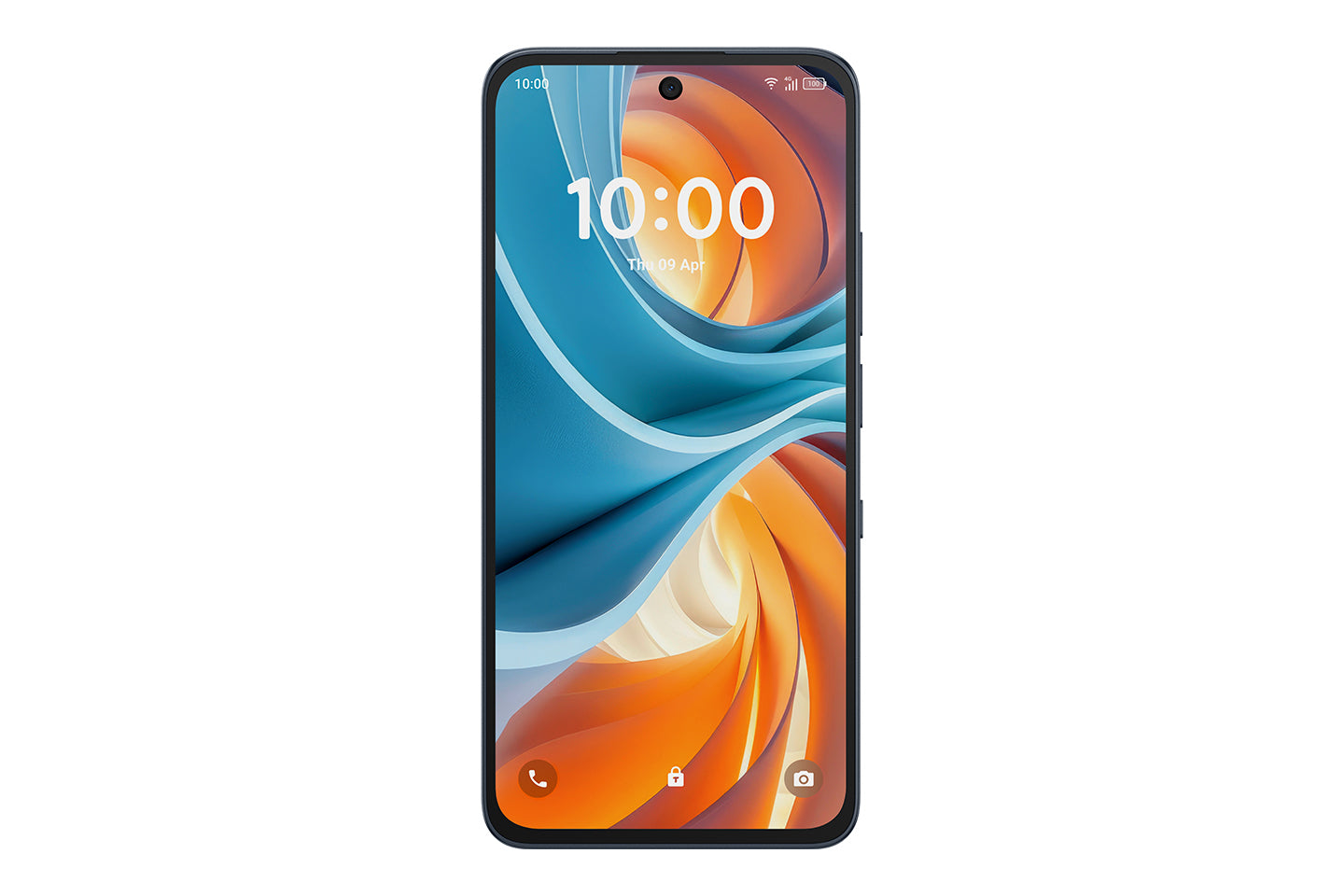
TCL NXTPAPER 70 Pro
For readers interested in TCL’s current comfort-focused phone direction, the NXTPAPER 70 Pro is the most relevant model to check. Look closely at carrier support, availability, and independent display testing before treating it as a direct OLED-comfort solution.
As an Amazon Associate I earn from qualifying purchases.
The big change: OLED behind the paper-like layer
Until now, NXTPAPER has been associated with LCD-based displays. That gave TCL an advantage for flicker-sensitive users because LCD backlights can be driven in ways that avoid the kind of visible or near-visible flicker behavior found on many OLED phones.
OLED changes the equation. Unlike LCD, OLED is self-emissive. Each pixel produces its own light, which is why OLED can turn individual pixels completely off and create true black. That same self-emissive behavior also means OLED panels need careful management when changing brightness and color.
Many OLED phones use PWM dimming, where the display rapidly turns light output on and off to simulate different brightness levels. If the frequency is low enough, or if the modulation pattern is harsh enough, some people can feel the effect even if they cannot consciously see the flicker.
TCL’s answer is high-frequency PWM dimming. NXTPAPER OLED is expected to use 3840Hz PWM dimming, a much higher figure than what many mainstream OLED phones have used. Higher-frequency PWM is not the same as a truly flicker-free panel, but it can make the flicker far less perceptible for many users.
For sensitive buyers, that distinction matters. A high PWM number alone does not guarantee comfort, because modulation depth, brightness behavior, software tuning, and personal sensitivity still matter. But 3840Hz is at least a serious attempt to address the issue instead of pretending it does not exist.
Matte glass may be just as important as the OLED panel
NXTPAPER is not only about dimming. One of the most recognizable parts of the experience is the matte, paper-like surface. TCL uses a textured display finish designed to scatter reflections and soften the appearance of the screen.
That matters because glare is one of the most common reasons phone screens become tiring outdoors or under bright indoor lighting. Glossy glass can look crisp in controlled conditions, but it reflects lamps, windows, sky, and fingerprints. That forces users to increase brightness, change angles, or stare through reflections.
NXTPAPER’s matte treatment is meant to reduce that problem. It does not turn a phone into an e-ink reader, and it will not behave exactly like paper, but it can make the surface feel less mirror-like. For reading, note-taking, browsing, and long messaging sessions, that can be more useful than another jump in peak brightness.
The OLED move could make this combination stronger. OLED can improve contrast and outdoor visibility, while the NXTPAPER surface can reduce the glare that often makes glossy OLED phones difficult to use in sunlight. If TCL gets the balance right, NXTPAPER OLED could feel sharper and brighter than earlier NXTPAPER LCD panels without becoming as visually aggressive as many flagship OLED screens.
Blue light reduction without the heavy yellow tint
TCL has also emphasized hardware-level blue light reduction as part of NXTPAPER. The practical benefit is that the display can reduce certain blue-light output without relying only on a software filter that makes everything look yellow or orange.
That distinction is important. Most phones include some kind of night mode or eye comfort mode, but those settings often shift the screen heavily toward warm tones. That can be fine before bed, but it is not always pleasant for daytime use, photo viewing, video watching, or reading content where color accuracy still matters.
TCL says its approach shifts blue output toward a healthier range rather than simply washing the screen in amber. The company has also claimed reduced blue light emission compared with earlier NXTPAPER versions. Exact measurements should be treated as manufacturer claims until independent testing confirms them, but the direction of the technology is clear: keep the image usable while lowering the parts of the spectrum TCL considers more fatiguing.
For buyers, the takeaway is simple. NXTPAPER OLED is not just a software reading mode. TCL is trying to make comfort part of the display stack itself, from the surface layer to the light output.
What about temporal dithering?
Temporal dithering is another concern for some display-sensitive users. In simple terms, a display may rapidly alternate between colors to simulate shades it cannot natively show. Many people never notice this behavior, but some users find it uncomfortable, especially when combined with PWM dimming.
TCL has indicated that NXTPAPER OLED panels are 10-bit, which should reduce the need for aggressive temporal dithering to expand perceived color range. That specific claim has not been independently verified in broad consumer testing, so it should not be treated as a guaranteed fix.
Still, the idea makes sense. A display with better native color depth should need fewer tricks to produce smooth gradients and wide color output. If TCL pairs that with gentler software tuning, NXTPAPER OLED could be better suited to users who find some OLED phones visually busy or unstable.
NXTPAPER is also about changing how you use the phone
The display hardware is only part of TCL’s broader NXTPAPER story. Recent NXTPAPER phones have included dedicated display modes that shift the phone between normal color, muted paper-like color, monochrome reading, and stricter minimalist modes.
On current NXTPAPER devices, those modes can make the phone feel less like an attention machine and more like a reading tool. Color Paper Mode keeps color but softens it. Ink Paper Mode moves closer to a black-and-white reading experience. Max Ink Mode goes further by limiting distractions and extending battery life for reading-focused use.
Those features are useful because eye comfort is not only about photons and panel engineering. It is also about behavior. A display that is less glossy, less saturated, and less distracting can change how a phone feels in daily use.
For students, commuters, readers, office workers, and anyone trying to reduce screen fatigue, that may be the strongest selling point. NXTPAPER is not trying to beat Samsung, Apple, or Google only on raw display spectacle. It is trying to offer a different kind of phone screen.
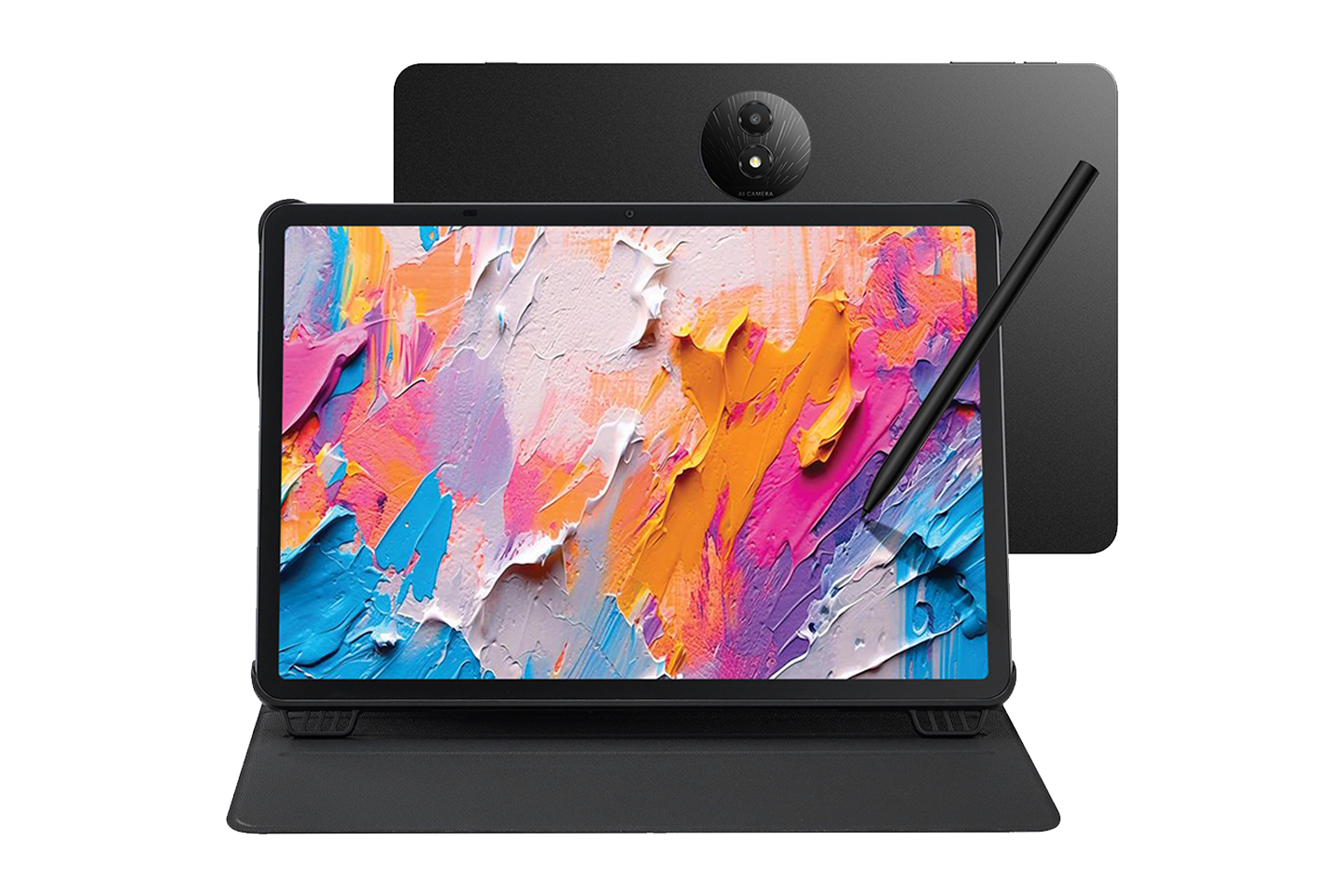
TCL NXTPAPER 11 Plus Set
A NXTPAPER tablet makes sense for readers who like the paper-like display idea but want a larger screen for books, notes, browsing, and documents. It is a better fit for couch, desk, or commute reading than replacing a primary phone.
As an Amazon Associate I earn from qualifying purchases.
Who should care about NXTPAPER OLED?
NXTPAPER OLED is most interesting for buyers who like the strengths of OLED but dislike how many OLED phones feel in practice. That includes people who want better contrast and outdoor visibility, but also want a calmer screen for reading and daily use.
It may be especially relevant if you care about:
- High-frequency PWM dimming instead of lower-frequency OLED dimming behavior
- Reduced glare from a matte glass display surface
- A paper-like reading mode that does not require buying a separate e-reader
- Blue light reduction that avoids an extreme yellow tint
- Better outdoor visibility without relying only on maximum brightness
- Less visually intense color when reading, browsing, or working
It is not automatically the right choice for every buyer. Some people prefer glossy OLED panels because they look sharper and more vibrant. Others may not like matte surfaces because they can slightly change perceived clarity or texture. Gamers, photographers, and video-focused users may also want to see independent testing before choosing NXTPAPER OLED over a conventional flagship display.
But for people who have bounced off modern OLED phones because of discomfort, TCL’s direction is worth watching closely.
The TCL NXTPAPER 70 Pro shows why the timing matters
TCL’s recent NXTPAPER phones have made the technology easier to understand, but availability has been a problem. Some models have not reached the U.S., and earlier devices that did arrive often came with budget compromises in performance, cameras, or build quality.
The NXTPAPER 70 Pro points to a more compelling path. It pairs the NXTPAPER concept with stronger phone hardware, including a MediaTek Dimensity 7300-class processor, a large battery, generous storage options, and a more polished design than older low-end NXTPAPER models.
That matters because a good display is not enough. Buyers still need a phone that feels fast, lasts through the day, takes decent photos, and does not feel like a compromise everywhere outside the screen. If TCL wants NXTPAPER to become more than a niche display feature, it needs phones that compete as phones first.
The move to OLED could help with that. A NXTPAPER OLED phone could offer the contrast, brightness, and premium feel buyers expect from a modern handset while keeping TCL’s comfort-focused identity intact.
What still needs proof
TCL’s direction is promising, but a few important questions remain unanswered until shipping hardware is tested independently.
The first is real-world flicker behavior. A 3840Hz PWM figure is encouraging, but the full comfort story depends on how the panel behaves across brightness levels, refresh rates, color modes, and apps. Sensitive users often need more than a single headline number.
The second is clarity. Matte screens reduce glare, but they can also affect perceived sharpness. TCL has generally handled this well on NXTPAPER devices, but OLED will bring a new set of expectations. Buyers will want to know whether the paper-like finish still feels crisp enough for small text, maps, camera previews, and video.
The third is color accuracy. NXTPAPER modes intentionally soften the screen, which is useful for reading but not always ideal for editing photos or watching color-critical content. TCL will need to make switching between comfort and accuracy feel natural.
The fourth is availability. TCL has not always brought its most interesting phones to every market. A firm debut timeline for NXTPAPER OLED hardware has not been publicly confirmed, and buyers should wait for specific product announcements before treating it as an imminent purchase option.
NXTPAPER OLED could be the rare display upgrade that is not just about spectacle
The phone industry usually talks about displays in terms of brightness, refresh rate, resolution, and color. Those things matter, but they do not cover the whole experience. A screen can look impressive in a store and still be tiring after an hour of reading. It can win a brightness comparison and still be frustrating outdoors because of reflections. It can be technically advanced and still make sensitive users uncomfortable.
That is why TCL’s NXTPAPER OLED work is interesting. It treats comfort as a core display feature, not a footnote hidden in accessibility settings.
If TCL can deliver high-frequency dimming, a well-tuned matte surface, useful paper-like modes, strong outdoor visibility, and modern OLED quality in one device, NXTPAPER OLED could become a serious alternative for buyers who have never felt fully comfortable with conventional OLED phones.
The cautious view is that independent testing still matters. The optimistic view is that TCL is at least asking the right question: what if a premium phone screen did not have to feel so harsh?
For a lot of buyers, that question is overdue.