


Colorado and California have both been part of the recent push toward operating-system-level age assurance rules, a shift that raised obvious questions for Linux distributions, independent developers, and anyone shipping software outside the usual mobile app-store model.
The good news for open source users is that Colorado’s final version now contains a clear exemption for operating systems and applications distributed under open source-style license terms. California is also moving toward similar language, although that part is not settled in the same way yet.
What Colorado’s final bill says
Colorado’s age attestation bill is the cleaner case because the relevant language appears in the final act version. The bill does not apply to an operating system provider or developer that distributes an operating system or application under license terms allowing recipients to copy, redistribute, and modify the software, provided the provider or developer does not impose technical or contractual platform restrictions on installing modified versions.
That wording matters because it appears designed to separate open source operating systems from proprietary platforms that control distribution, account setup, app stores, or device-level access. In practical terms, a conventional Linux distribution that allows users to inspect, modify, rebuild, and redistribute the software should be in a much different position from Windows, macOS, iOS, Android builds tied to a vendor-controlled ecosystem, or a proprietary console-style software stack.
The Colorado requirements are expected to begin applying on July 1, 2028. For buyers and device makers, that means the immediate question is not whether every Linux-based system is automatically in scope, but whether the product is actually distributed under license terms that match the exemption.
California’s open source exemption is still a moving target
California is more complicated. The state already has an age assurance law scheduled to take effect on January 1, 2027, and separate amendment language has been moving through the legislative process to narrow how the law treats open source software.
The proposed California language would exclude certain software components that are not offered directly to consumers as stand-alone executable applications through a covered app store. It would also revise the meaning of an operating system provider so that a person or entity distributing an operating system or application under license terms that allow copying, redistribution, and modification would not fall under that definition.
That is promising for Linux distributions, but it should be treated as pending unless and until the amendment is fully approved. The important buyer-aware takeaway is simple: California’s original law created broad concern for open source operating systems, while the newer amendment language appears intended to reduce that impact.
Why SteamOS and Linux handhelds are not all the same
This is where the distinction between Linux and Linux-based products becomes important. A normal community Linux distribution and a commercial device platform built around Linux can have very different licensing, update, store, and account structures.
SteamOS is Linux-based, but Valve’s Steam client and parts of the Steam Deck experience include proprietary components. That means the open source exemption may not map neatly onto every device or product that uses Linux somewhere under the hood. The same caution applies to other handheld gaming PCs or living-room systems that combine open source foundations with proprietary storefronts, account layers, launchers, firmware tools, or app delivery systems.

Steam Deck OLED
Steam Deck OLED is relevant for readers looking at Linux-based gaming handhelds, but it should be evaluated as a Valve-managed device experience rather than a generic community Linux install. Check how much control you want over the operating system image, launcher, and store setup before buying.
As an Amazon Associate I earn from qualifying purchases.
For someone choosing a gaming handheld, mini PC, or Linux-friendly laptop, the practical question is not just “does it run Linux?” The better question is whether the operating system and application distribution model are open enough to qualify for an exemption, or whether the vendor is operating something closer to a controlled commercial platform.
Quick comparison
| State | Status | Open source treatment | Expected effective date |
|---|---|---|---|
| Colorado | Final act language available | Exempts qualifying open source operating systems and applications distributed with copy, redistribution, and modification rights | July 1, 2028 |
| California | Amendment language still moving through the process | Would narrow the definition of operating system provider for qualifying open source software if approved | January 1, 2027 for the underlying law |
What this means for users and developers
For open source developers, Colorado’s wording is a meaningful relief because it recognizes that a volunteer project, Linux distribution, or freely modifiable software stack does not operate like a commercial app-store gatekeeper. These projects often do not have centralized accounts, persistent user identity systems, or a vendor-controlled channel through which an age signal could be collected and passed along.
For commercial operating system providers, the picture is different. Platforms that control app distribution and device setup are still the obvious targets of these laws. That includes the major proprietary desktop and mobile operating systems, and potentially some Linux-based commercial products depending on how they are packaged and distributed.
For buyers, the near-term impact is mostly about uncertainty. If you use a mainstream Linux distribution on your own hardware, the Colorado language looks favorable. If you are buying a device where the vendor controls the operating system image, app store, account setup, or game launcher, the exemption may be less straightforward.
The broader policy fight is not over. Colorado has made its open source carve-out explicit. California appears to be responding to the same concern, but the safer reading is that its exemption remains dependent on the amendment process. Until that is finished, Linux users and device makers should watch the exact statutory language rather than relying on broad claims that “Linux is exempt” or “all Linux systems are covered.”
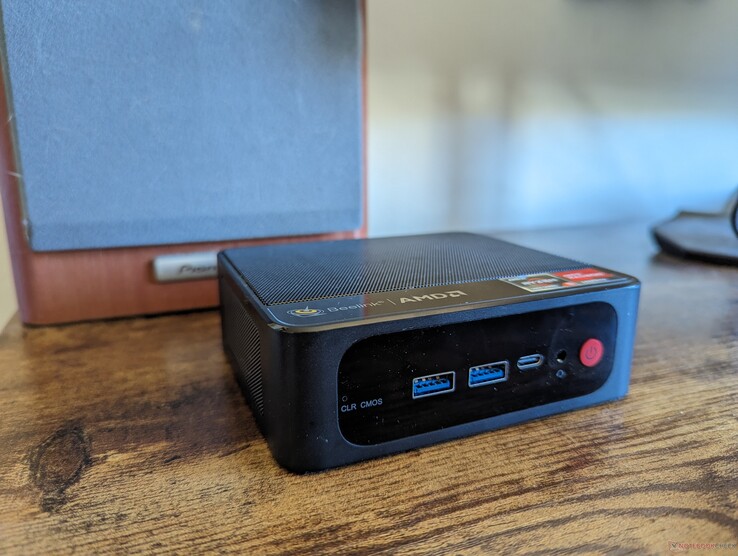
Beelink SER5 Mini PC
A compact AMD mini PC can make sense if you want separate hardware for a self-managed Linux setup instead of a vendor-controlled handheld platform. Confirm wireless chipset support and BIOS options for your preferred distribution before committing.
As an Amazon Associate I earn from qualifying purchases.