

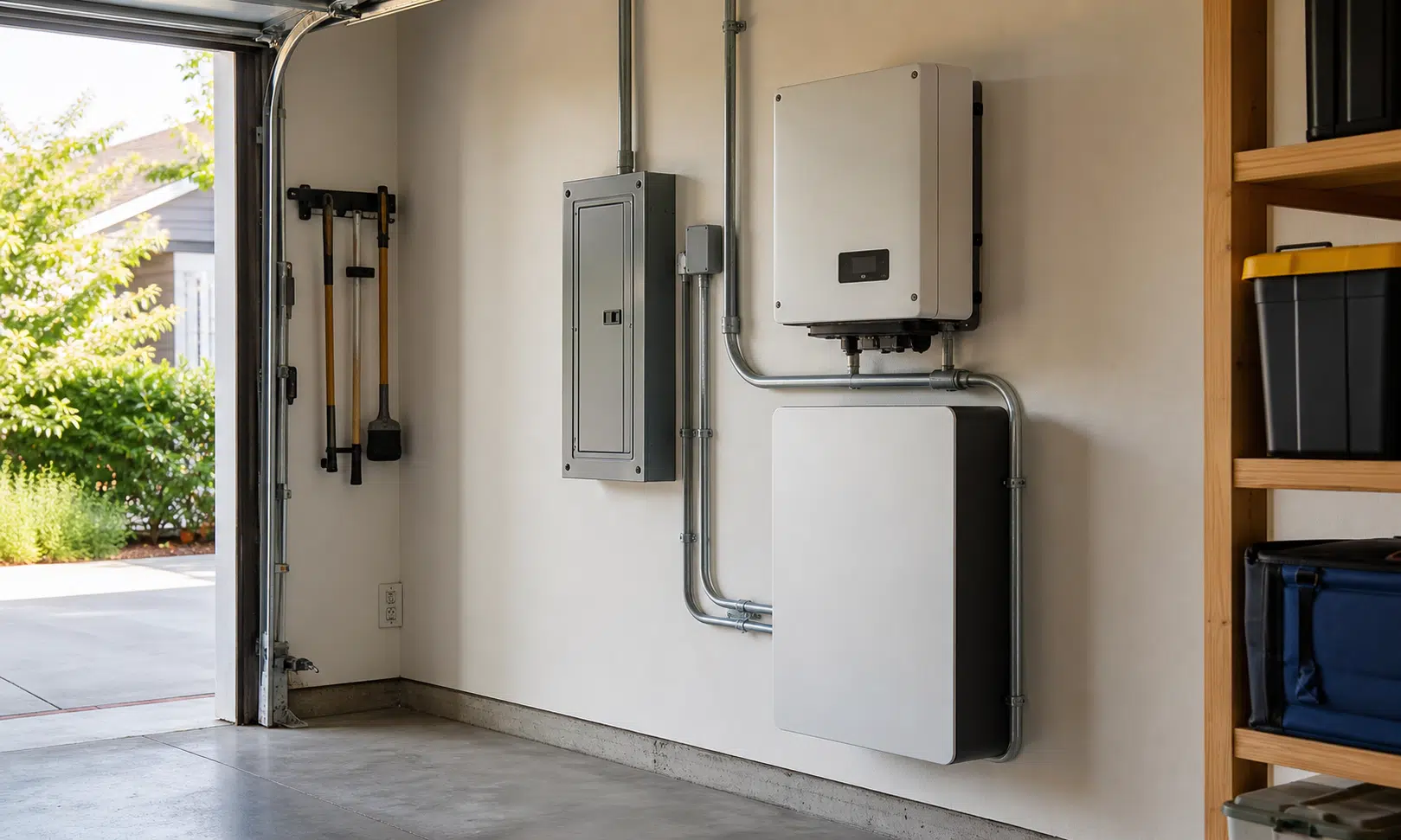

Australia’s fast-growing battery rollout has turned a technical energy story into a household money question: should ordinary homeowners now be looking seriously at battery storage?
The short answer is: maybe, but not for everyone yet. Home batteries can help households use more of their own solar power, avoid expensive evening electricity, and provide a measure of backup during outages. They can also be costly, complicated to size properly, and less useful for renters or homes without strong solar generation.
That makes the current battery boom less a simple success story than a useful buyer’s case study. Australia is one of the clearest examples of what happens when rooftop solar, falling battery costs, subsidies and high evening power prices all meet at once. The result is a market moving fast enough that households, installers, utilities and policymakers are all having to adjust.
For buyers elsewhere, the lesson is not that every home should immediately buy a battery. It is that the economics of storage are changing, and the decision now deserves a more careful look than it did a few years ago.
Why Home Batteries Are Suddenly Part of the Bill-Cutting Conversation
For years, rooftop solar did its best work during the middle of the day. That helped households that used power while the sun was shining, but it was a poorer match for homes that were empty during working hours and used most electricity in the evening.
A battery changes that pattern. It stores excess solar output during the day and releases it later, when grid power is often more expensive. In markets with time-of-use tariffs, that shift can be the difference between exporting cheap daytime solar and avoiding expensive evening electricity.
That is the practical reason batteries are attracting more attention. They do not make solar panels generate at night. They let a household keep more of the daytime generation it has already paid to produce.
In Australia, that logic has become especially powerful because rooftop solar is already widespread. More than a third of Australian houses have solar panels, according to commonly cited industry and government figures. That existing solar base gives batteries a large ready-made market: many households do not need to start from scratch with panels, inverters and storage all at once.
The wider grid effect matters too. Evening demand has often been met by more expensive gas-fired generation. When enough household and grid-scale batteries discharge at the same time, they can reduce the need for those higher-cost generators during peak periods. Analysts and industry groups have described that as a meaningful change in how electricity prices are set, although the size of the benefit will vary by market, season and grid conditions.
For a household buyer, the important point is simpler: batteries are most valuable when they replace expensive imported power, not when they merely sit on the wall looking like a climate upgrade.
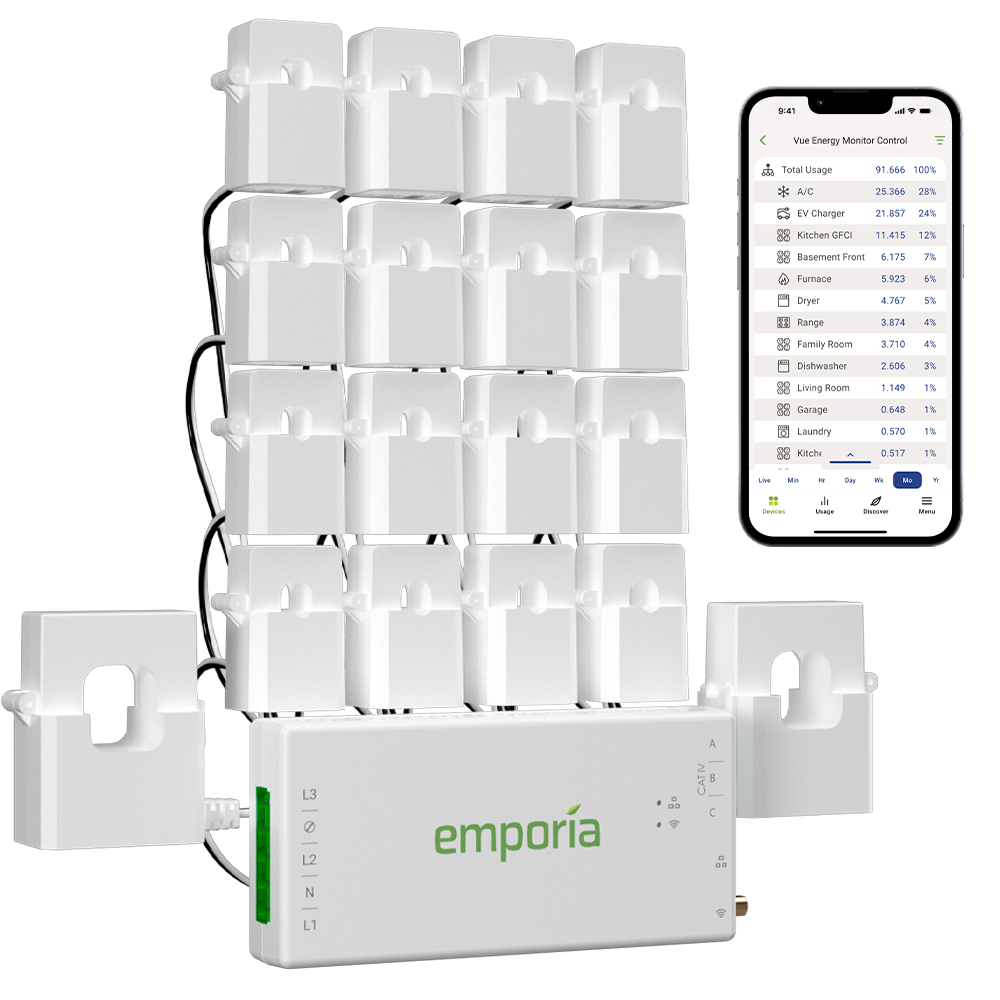
Emporia Vue 3 Home Energy Monitor
A circuit-level energy monitor can help show when your home uses power, which loads dominate evening demand, and whether a battery is likely to cover the right hours. It is especially useful before asking installers to size a storage system.
As an Amazon Associate I earn from qualifying purchases.
What Australia’s Battery Boom Shows
Australia’s battery growth has been helped by policy, timing and geography. The country has abundant sunshine, a large rooftop solar base, relatively simple solar permitting in many areas, and a national conversation shaped by high energy costs.
A major federal battery subsidy also appears to have accelerated demand. The program was designed to reduce upfront costs for households, and later adjustments were made as take-up exceeded early expectations. Public reporting has put recent installations in the hundreds of thousands since the program began, with more than 1,000 systems being installed on some days.
That pace is striking, but buyers should separate three different ideas that are often blurred together:
- A battery can improve the economics of an existing solar system.
- A subsidy can shorten the payback period by cutting the upfront price.
- A large national rollout can help the grid, even if individual household savings vary.
Those are related, but they are not the same. A home battery that makes sense for a detached house with a big solar array, high evening usage and a generous rebate may be a poor purchase for a small apartment, a shaded roof, or a household on a flat electricity tariff.
Australia also shows the fairness problem. Renters, apartment dwellers and lower-income households may benefit indirectly if batteries reduce system-wide costs, but they often cannot install one themselves. A homeowner with roof space and borrowing capacity is in a much stronger position than a tenant who pays the power bill but has no control over the property.
That does not make the technology unhelpful. It does mean policy design matters. Rebates that mostly reward households already able to invest can speed deployment, but they may not spread the benefits evenly.
When a Home Battery Makes the Most Sense
A battery is most compelling when several conditions line up. The more boxes a household can tick, the stronger the case becomes.
- You already have solar panels and regularly export excess power during the day.
- Your evening electricity rate is much higher than your daytime export payment.
- You use meaningful power after sunset, such as cooking, heating, cooling, laundry or EV charging.
- You can access a rebate, tax credit, low-interest loan or virtual power plant payment.
- You plan to stay in the home long enough to benefit from the savings.
- You value backup power and are willing to pay for the equipment needed to support it.
The case is weaker if your home uses most of its electricity during daylight, if your solar system is small, if your tariff does not reward shifting power from day to night, or if the installed price remains high after incentives.
Backup power also needs careful attention. Some batteries can keep selected circuits running during an outage, while others need extra hardware to island the house safely from the grid. Buyers should ask exactly what stays powered, for how long, and whether the system can recharge from solar while the grid is down.
A battery sold as “whole-home backup” is not the same as a battery that can run a refrigerator, lights, internet router and a few outlets. The first may require a larger system and more expensive installation. The second may be enough for many households.
How to Compare Home Battery Options
Battery shopping can quickly turn into a wall of acronyms. The useful comparison starts with a few practical questions: how much energy the battery can store, how much power it can deliver at once, how long it is warranted, and whether it works cleanly with your solar inverter and electricity tariff.
| Decision factor | Why it matters | Buyer question to ask |
|---|---|---|
| Usable capacity | Shows how much stored energy you can actually use, usually measured in kWh. | How much of my evening usage can this battery cover? |
| Power output | Determines how many appliances can run at the same time. | Can it handle cooking, heating, cooling or backup loads? |
| Solar compatibility | Affects installation cost and whether the battery works with your current inverter. | Do I need a new inverter or switchboard work? |
| Warranty | Battery value depends on long-term performance, not just day-one capacity. | What capacity is guaranteed after the warranty period? |
| Backup capability | Not every battery automatically powers the house in a blackout. | Which circuits work during an outage, and for how long? |
| Tariff support | Savings depend heavily on import rates, export rates and time-of-use pricing. | Will my retailer plan let the battery earn its keep? |
For many households, the most important number is not the largest capacity advertised. It is the amount of storage that matches the home’s actual daily pattern. Oversizing can add cost without adding much value. Undersizing can leave the household still buying expensive evening electricity.
A good installer should look at interval meter data, solar export history and seasonal usage before recommending a system. A quote based only on the size of the roof or a generic household average should be treated cautiously.

Anker SOLIX F3800
A large portable power station can support selected appliances during outages and may be expanded for longer runtime. For household circuits, buyers still need to check transfer equipment, solar input limits and local electrical requirements.
As an Amazon Associate I earn from qualifying purchases.
Battery Size: Bigger Is Not Always Better
Home batteries are usually discussed in kilowatt-hours, or kWh. A small system might help cover evening lights, refrigeration and electronics. A larger system may support cooking, heating, cooling or partial EV charging, depending on its power output and the home’s wiring.
But capacity alone is not enough. A battery also has a maximum discharge rate. That is the power it can deliver at one time. A battery with enough stored energy may still be unable to run several high-demand appliances simultaneously.
Buyers should ask installers for a plain-language load plan. Which circuits are backed up? What happens if the oven, heat pump and kettle are on at the same time? How much reserve should be kept for outages? Can the system be expanded later?
Chemistry and safety are also part of the comparison. Modern home batteries commonly use lithium-based chemistries, and many newer systems emphasize improved thermal management and safer operating profiles. The practical buying question is not just chemistry, but certification, installation quality, ventilation, monitoring and warranty support.
The Payback Question
The hardest part of buying a home battery is payback. Prices, tariffs, incentives and usage patterns differ too much for one universal answer.
A simple payback estimate should include:
- The full installed cost after rebates or credits.
- The annual value of solar energy stored instead of exported.
- The annual value of avoiding peak-rate grid power.
- Any virtual power plant, demand response or grid services payments.
- Expected battery degradation over time.
- Financing costs, if the system is paid for with a loan.
The export rate matters because stored solar is not free in economic terms. If you would otherwise be paid for exporting it, the battery’s benefit is the difference between the export payment and the grid power avoided later.
For example, if exported solar earns little but evening imports are expensive, storage can look attractive. If exports are well paid or evening rates are modest, the savings shrink.
This is why buyers should be cautious with headline claims about “saving hundreds” or “cutting bills dramatically.” Those outcomes are possible for some homes, especially with strong solar output and high peak prices. They are not guaranteed.
What About Renters and Apartments?
The battery boom is much harder to access for renters. A tenant usually cannot install rooftop solar or a wall-mounted battery without the landlord’s approval. Apartment buildings add more complexity because roof space, metering and shared electrical infrastructure are often controlled collectively.
That does not mean renters get no benefit from storage. Community batteries, shared solar, retailer plans with free or cheap daytime power, and building-level upgrades can all spread some of the value beyond detached homeowners. Australia’s proposed “solar sharer” approach, under which retailers would offer a daily window of free electricity, is one example of how excess daytime solar might be shared more broadly.
Still, buyers and policymakers should be honest about the split. Household batteries are easiest for owner-occupiers with suitable homes. The people most exposed to high energy bills are not always the people best placed to buy the equipment that reduces them.
Verdict: A Serious Option, Not an Automatic Purchase
Home batteries have moved from early-adopter technology toward a mainstream energy product, especially in places with high solar adoption and supportive subsidies. Australia’s rapid rollout suggests the technology can scale quickly when the economics line up.
For buyers, the decision should remain practical. A battery is worth serious consideration if you already export plenty of solar, pay high evening rates, can use a strong incentive, and want backup power. It is less compelling if your daytime and evening electricity prices are similar, your solar output is limited, or the system would need expensive electrical upgrades.
The best purchase is not necessarily the biggest battery. It is the system that matches your solar production, household demand, tariff structure and backup needs at a price you can justify.
The broader energy story is bigger than any one home. Batteries can help shift solar power into the hours when people need it most, reduce reliance on expensive peak generation, and make renewable-heavy grids easier to run. But at the kitchen-table level, the right question is still refreshingly concrete: what will this system cost, what will it actually power, and how much grid electricity will it help you avoid?
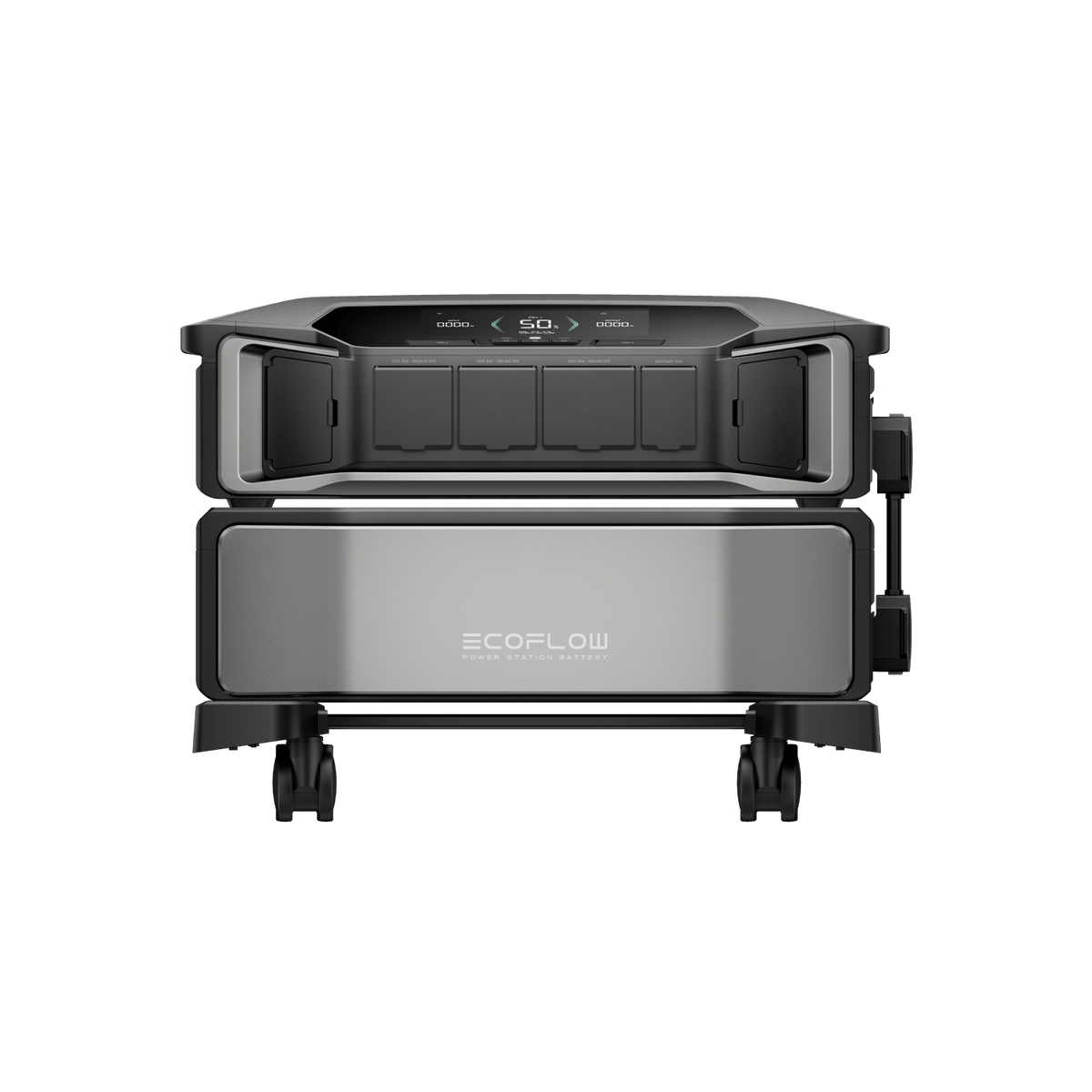
EcoFlow DELTA Pro Ultra
An expandable backup system can be a practical option for readers who value outage coverage and want a modular battery setup. Confirm which circuits it can support, whether it can recharge from solar, and what installation hardware is needed.
As an Amazon Associate I earn from qualifying purchases.