


The EU’s move to restrict public funding for clean energy projects using inverters from “high-risk” countries, including China, is becoming a procurement problem as much as a policy story.
For solar and battery developers, the inverter is no longer just a line item in the bill of materials. It is now part of a wider buyer decision involving cybersecurity, bank financing, supplier origin, component traceability and delivery risk.
That matters because inverters sit at the control layer of solar and storage systems. They convert electricity into the form used by homes, businesses and grids, but modern models also connect to monitoring platforms, receive software updates and support remote maintenance. Those features are useful for uptime. They also make the supplier relationship more sensitive than it was when hardware was simpler and less connected.
The funding restriction does not mean every existing Chinese inverter in Europe is being removed. It is aimed at projects seeking EU-backed finance and at future procurement decisions. For developers, utilities and commercial energy buyers, the immediate question is narrower: if a project depends on EU-linked funding, can the chosen inverter supplier still pass the security and eligibility checks?
The buyer verdict
For projects using EU financing, the safer near-term choice is to review inverter origin, ownership, software access and component documentation before locking procurement. A cheaper inverter that creates financing risk may no longer be cheaper once delays, redesign work and lender questions are counted.
For private projects without EU-backed finance, the decision is more nuanced. Chinese suppliers may still offer aggressive pricing and mature manufacturing capacity. European, Japanese and U.S.-aligned suppliers may offer a clearer path through security reviews, public funding conditions and future regulatory pressure.
This is the practical trade-off:
- Choose the lowest hardware price, and the project may face more questions on funding eligibility, cybersecurity and future policy risk.
- Choose a European or allied supplier, and the upfront price may be higher, but financing, compliance and long-term grid security arguments may be easier to defend.
- Delay the procurement decision, and the project may get more regulatory clarity, but it may also lose installation time and expose itself to supply bottlenecks.
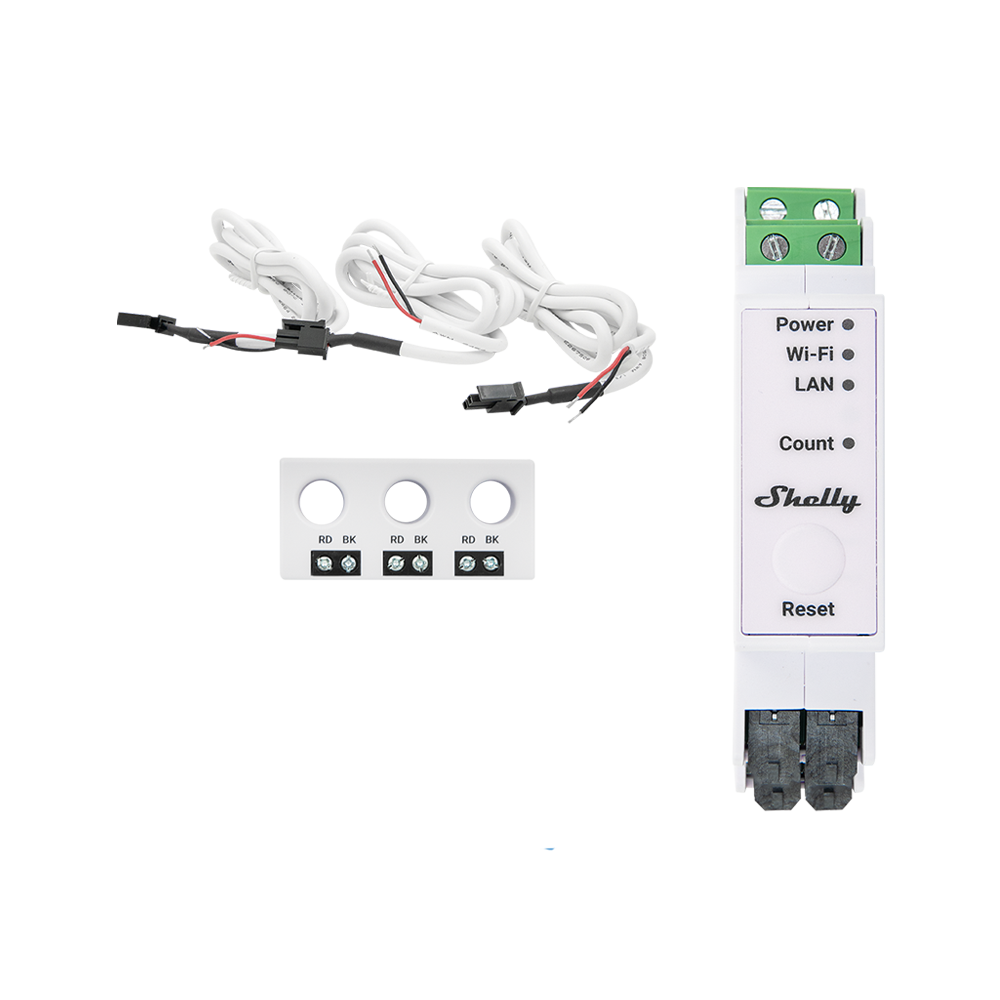
Shelly Pro 3EM-3CT63 Energy Meter
A DIN-rail three-phase meter can help commercial buyers track production, grid import and site consumption outside the inverter vendor’s own portal. Check compatibility with the electrical design, monitoring stack and local installer requirements before specifying it.
As an Amazon Associate I earn from qualifying purchases.
Why inverters are now treated as strategic equipment
Solar panels usually attract the most public attention, but inverters are the equipment that make solar electricity usable in the grid. They manage conversion from direct current to alternating current and often handle monitoring, control, diagnostics and grid-support functions.
Because many current systems are connected to the internet for updates and servicing, policymakers and industry groups are treating inverter software as part of critical infrastructure. The concern is not simply where the metal box is assembled. It is who can access the firmware, who controls remote updates, what data flows out of the system and whether a hostile actor could interfere with large numbers of distributed energy assets.
Industry representatives have argued that heavy dependence on Chinese-made or Chinese-controlled inverter technology could create an unacceptable grid risk. Some warnings go further, suggesting that a state-backed actor could theoretically use remote access or compromised updates to disrupt power systems. Those scenarios are serious, but project buyers should treat them as risk assessments rather than proven incidents unless specific evidence is available for a given supplier or deployment.
For buyers, that distinction matters. The right procurement response is not panic. It is diligence.
A stronger inverter review should ask:
- Where is the supplier legally based and who controls it?
- Where are the inverter, circuit boards and key semiconductors sourced?
- What remote access does the manufacturer retain after installation?
- Can firmware updates be controlled, logged, delayed or independently reviewed?
- Does the supplier meet the cybersecurity and documentation standards required by lenders?
- Can the supplier provide origin declarations that will survive customs, audit and bank checks?
What changes for solar developers
The biggest short-term impact is on projects still in development. Developers that expected to use EU-linked finance may have to revisit supplier lists, procurement contracts and financial models.
Some projects could continue with existing hardware choices if they are outside the restricted funding routes or qualify for exceptions. Others may need to switch suppliers. That switch is rarely a simple purchase-order change. Inverter selection affects engineering design, grid-connection studies, warranties, monitoring software, battery compatibility, commissioning schedules and lender documentation.
The most exposed projects are those that have not yet purchased equipment but have already priced their bids around lower-cost hardware. If those projects now need to move to a different supplier, developers may have to absorb part of the cost increase or renegotiate power-price assumptions.
The source article described potential delays of six to twelve months for some projects, but that timetable should be treated as project-dependent rather than universal. A utility-scale solar plant waiting on a specific certified model may face a different delay profile from a commercial rooftop project with several substitute options.
The procurement pressure is also uneven by segment. Residential and small commercial buyers may have more supplier flexibility, while large grid-connected assets usually face deeper bank, insurer and grid-operator scrutiny.
Supplier options and trade-offs
European buyers are likely to look more closely at manufacturers such as SMA Solar Technology, Fronius International, Fimer and Victron Energy, along with suppliers from other trusted markets. Those names do not automatically solve every problem, but they may be easier to position in projects where EU funding, cybersecurity compliance or political risk is central.
The trade-off is cost and availability. Chinese manufacturers have built scale, automation and supply-chain depth over many years. European alternatives can be strong technically, but they may not be able to expand output overnight if many projects change supplier at once.
A useful buyer comparison is not simply China versus Europe. It is a matrix of bankability, security, delivery and integration risk.
| Decision factor | Lower-cost Chinese supplier | European or allied supplier |
|---|---|---|
| Upfront price | Often more competitive, depending on product class and project size | Usually higher, though the total project impact may be smaller than the headline hardware gap |
| EU funding eligibility | Higher risk for projects tied to restricted public finance | Likely easier to document, subject to supplier and component checks |
| Cybersecurity review | May draw closer scrutiny around software access, ownership and remote update control | May be easier to defend if documentation and governance are strong |
| Supply availability | Large manufacturing base and established global logistics | Potential bottlenecks if demand shifts quickly |
| Long-term policy risk | Higher uncertainty if restrictions broaden beyond funding rules | Lower exposure to EU strategic autonomy pressure |
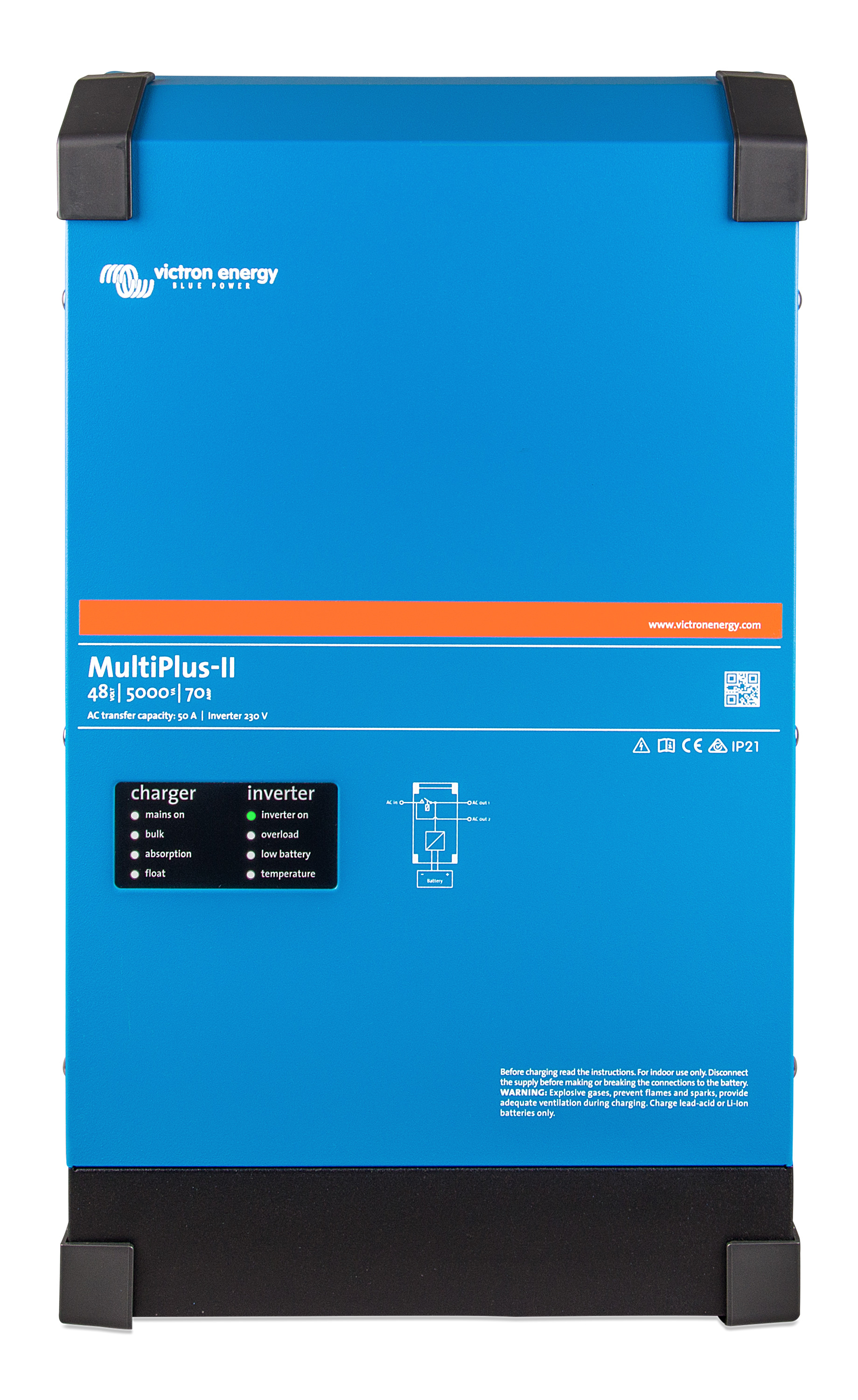
Victron Energy MultiPlus-II Inverter/Charger
For smaller solar-plus-storage or backup designs, a Victron inverter/charger can be part of a documented system review. Buyers should still verify grid-code approvals, installer support, battery compatibility and funding eligibility for the exact project.
As an Amazon Associate I earn from qualifying purchases.
What it could mean for energy bills
The consumer impact is likely to be indirect. Households will not see a separate “inverter ban” charge on their power bill. The effect would come through project economics: higher procurement costs, delayed renewable capacity, extra compliance work and possible financing changes.
The source article cited expectations that procurement costs could rise by around 2 percent, while Chinese products may be materially cheaper than European competitors. Those figures should be treated as estimates rather than fixed outcomes. The actual effect will depend on system size, supplier contracts, financing structure, installation timeline and whether a developer has already secured eligible equipment.
Even a small cost increase can matter in competitive tenders. Solar economics are sensitive to capital expenditure, interest rates and grid-connection timing. If developers face higher inverter prices and longer lead times, some projects may be delayed or repriced.
That could slow the arrival of additional low-cost renewable power in parts of Europe. In turn, expected bill relief from more solar generation may arrive later than planned. The long-term counterargument is that a more secure and more local supply chain may reduce exposure to geopolitical shocks, cyber risk and sudden import disruption.
For buyers, the useful question is not whether the policy makes solar “good” or “bad.” It is whether the project budget properly prices compliance and resilience.
What buyers should do before choosing an inverter
Developers, commercial property owners and public-sector buyers should treat inverter selection as a financing and risk decision, not just a technical comparison.
Before signing, ask the supplier for a complete documentation package. That should include country-of-origin details, ownership disclosures, component sourcing statements where available, cybersecurity certifications, update policies, warranty terms and integration evidence for batteries, monitoring systems and grid requirements.
Buyers using bank finance should involve lenders early. A technically acceptable inverter may still create problems if the bank’s eligibility rules, public funding conditions or insurer expectations are stricter than the engineering team assumed.
A practical procurement sequence looks like this:
- Confirm whether the project uses EU-backed finance or any funding route with high-risk supplier restrictions.
- Ask shortlisted inverter suppliers for origin, ownership and component documentation before final price negotiations.
- Review remote access, firmware update and monitoring arrangements with the cybersecurity team.
- Check whether a supplier change affects grid studies, battery compatibility, warranties or commissioning dates.
- Model the total cost of delay, not just the inverter price difference.
- Keep a second eligible supplier option open until funding and compliance checks are complete.
The bottom line
The EU funding restriction changes the economics of inverter choice because it adds a new cost category: regulatory and security eligibility. A supplier that looked best on hardware price may be harder to justify if it slows financing, complicates audits or exposes the project to future restrictions.
For solar buyers, the strongest approach is to compare total project risk. Price still matters. So do performance, warranty terms and availability. But in EU-funded or policy-sensitive projects, supplier control, software governance and documentation now carry more weight.
The likely result is a split market. Some buyers will stay with lower-cost suppliers where funding rules allow it. Others will shift toward European and allied manufacturers to protect financing and reduce strategic risk. In the short term, that may mean more paperwork, tighter supplier checks and some project delays. In the longer term, it could support a more secure European inverter industry, but probably not at the very lowest possible upfront cost.
That is the real buyer decision: cheaper hardware now, or a cleaner compliance path with a higher resilience premium.