

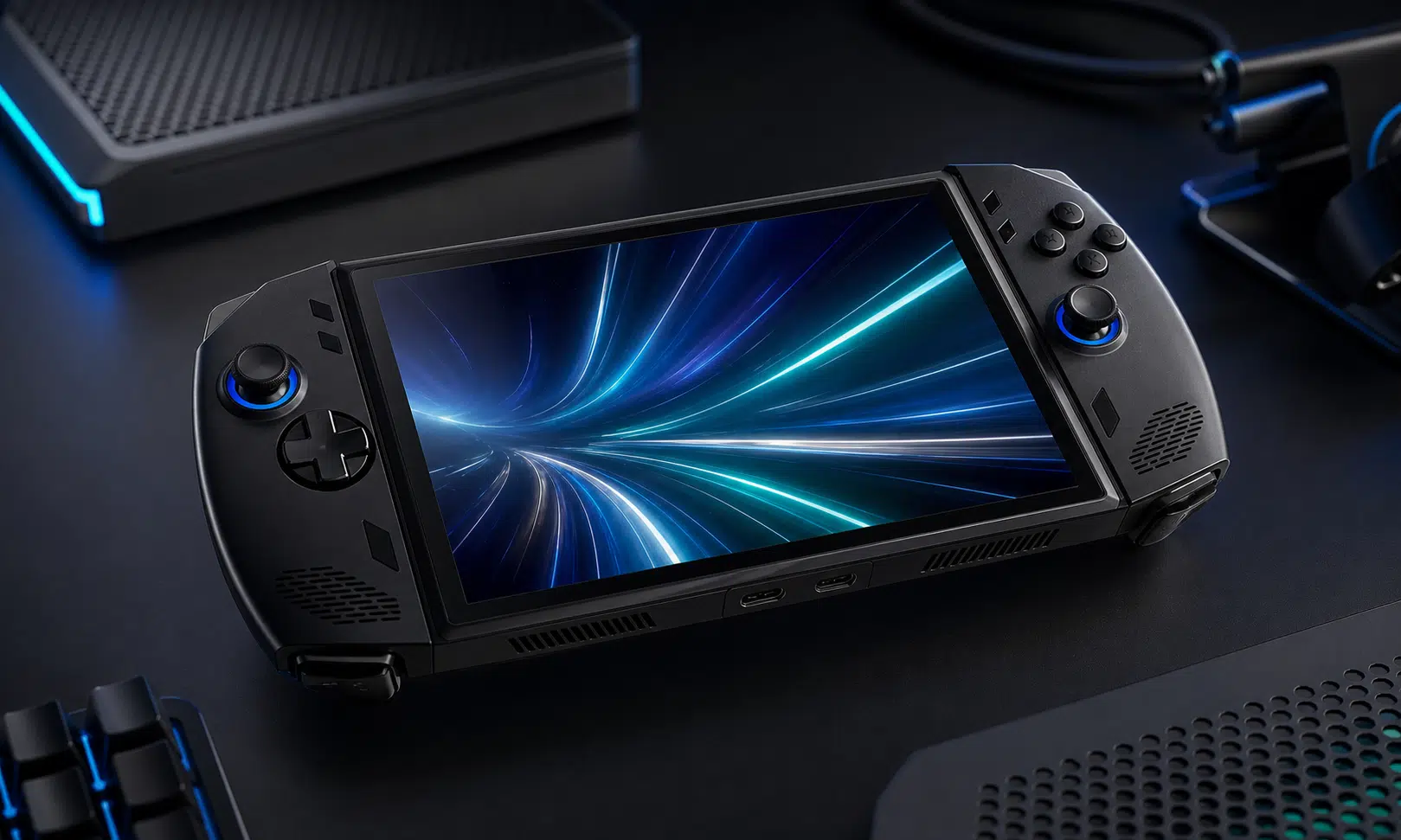

Acer is giving Intel a more visible shot at the Windows gaming handheld market with the Predator Atlas 8, an 8-inch portable PC built around Intel’s new Arc G3 handheld processors. The higher-end configuration pairs the Intel Arc G3 Extreme processor with Arc B390 integrated graphics, while the standard Arc G3 version steps down to Arc B370 graphics.
That makes the Predator Atlas 8 one of the more interesting handheld launches for buyers watching the AMD-heavy portable PC space. Most current Windows handhelds have leaned on Ryzen Z-series chips, so Acer’s move gives shoppers a different platform to consider once real-world performance and pricing are available.
What Acer Is Promising
The core pitch is straightforward: a Windows 11 gaming handheld with Intel’s newer graphics features, a relatively large display, and cooling that Acer says is built for sustained handheld play. The Predator Atlas 8 supports ray tracing and Intel XeSS 3 upscaling, and Acer is also including Intel’s Endurance Gaming software to help balance frame rate and battery life when the system is away from the charger.
The display is an 8-inch, 1920 x 1200 touchscreen with a 16:10 aspect ratio, a 120Hz variable refresh rate, and up to 500 nits of brightness. Acer describes the panel as IPS-level, with 100% sRGB coverage and 77.68% Adobe color coverage.
| Feature | Predator Atlas 8 details |
|---|---|
| Processor options | Intel Arc G3 or Intel Arc G3 Extreme |
| Graphics | Arc B370 or Arc B390 integrated graphics |
| Display | 8-inch 1920 x 1200 touchscreen, 120Hz VRR |
| Brightness | Up to 500 nits |
| Battery | Up to 80Wh, with a 60Wh option listed |
| Connectivity | Wi-Fi 7, Bluetooth 5.4, two Thunderbolt 4 ports |
| Expansion | UHS-II microSD slot |
| Weight | 810g for the 80Wh model |
Quick Comparison
| Image | Product | Best fit | Link |
|---|---|---|---|
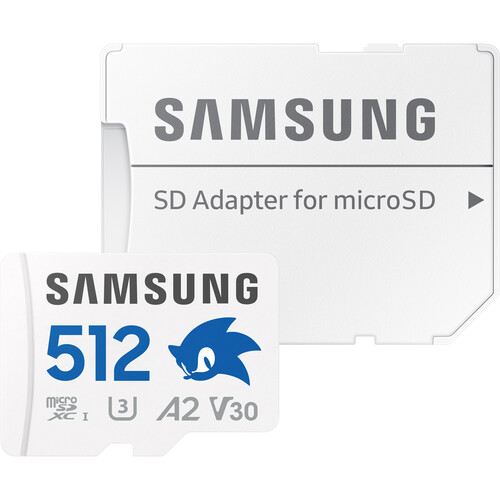 |
Samsung PRO Plus 512GB microSDXC Card | A high-capacity microSD card is useful if you keep a large handheld game library installed. Check your handheld’s storage-speed support and format requirements before moving games over. | Check Price on Amazon |
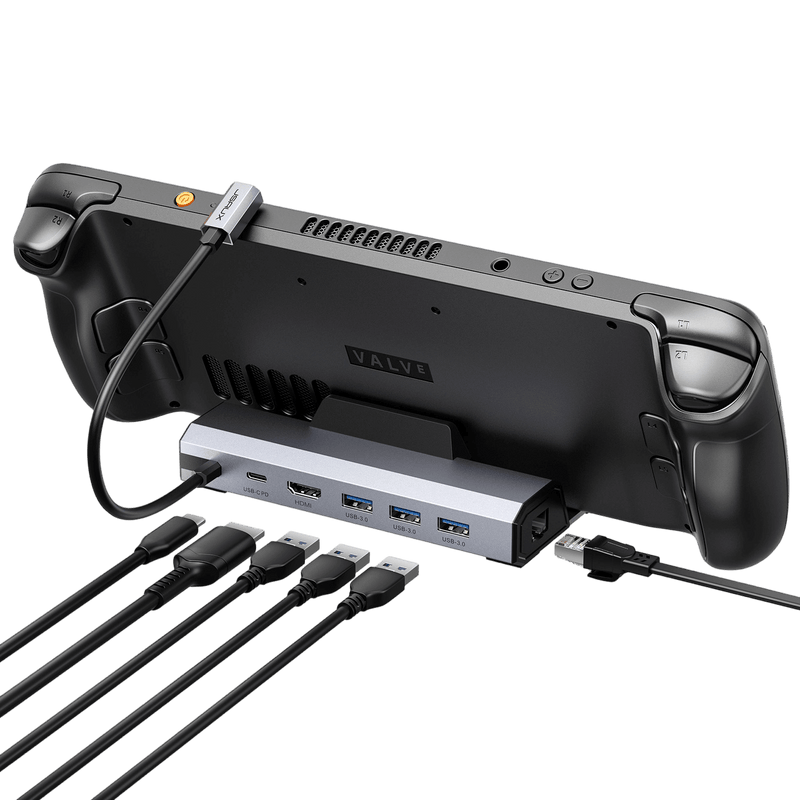 |
JSAUX 6-in-1 Handheld Dock | A compact USB-C dock can make a handheld easier to use with a monitor, Ethernet, keyboard, and mouse. Confirm clearance and power delivery support for your specific handheld before buying. | Check Price on Amazon |
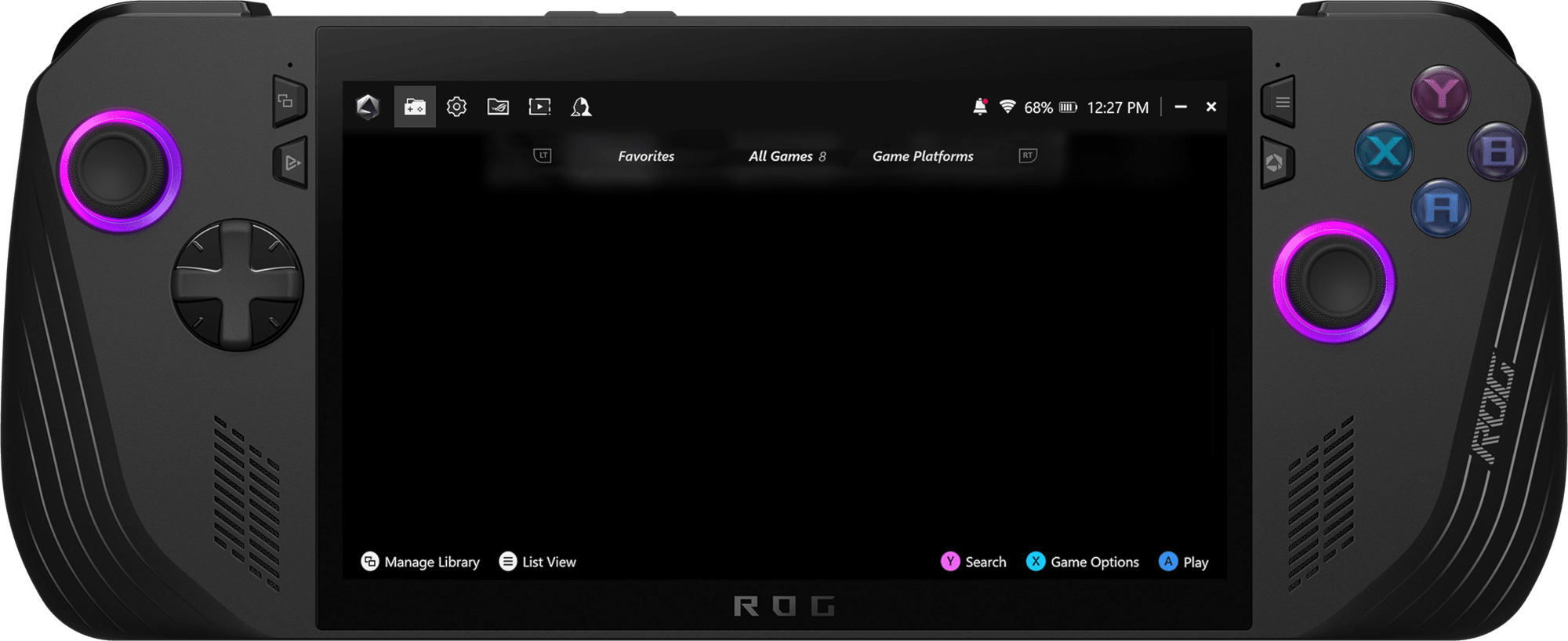 |
ASUS ROG Ally X | The ROG Ally X is worth comparing if you want a Windows handheld that is already on the market. Focus on battery life, ergonomics, software controls, and dock behavior against Acer’s final pricing. | Check Price on Amazon |
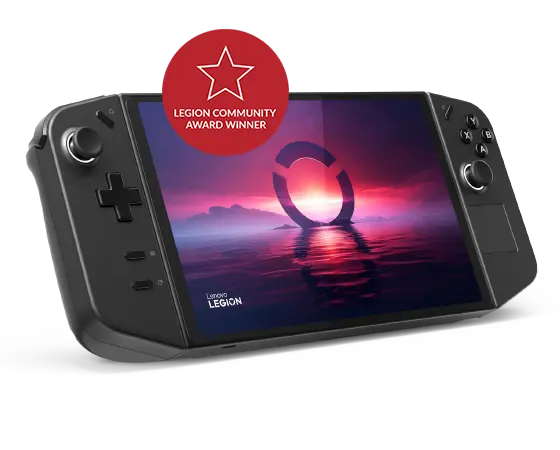 |
Lenovo Legion Go | The Legion Go is a useful comparison point if screen size and detachable-style controls matter to you. Balance that against weight, battery expectations, and how often you plan to carry it. | Check Price on Amazon |
As an Amazon Associate I earn from qualifying purchases.
Battery, Cooling, and the Big Unknowns
The 80Wh battery option is large for this class and should help the Atlas 8 compete with other premium handhelds built for longer sessions. But battery life is still the question Acer cannot answer with a spec sheet. The 120Hz, 500-nit screen, Windows overhead, game settings, and chip power behavior will all matter once reviewers can test final hardware.
Acer is also making cooling a major part of the story. The handheld uses a dual-fan setup with a Predator AeroBlade metal fan, which Acer says is the first metal fan used in a gaming handheld. The company claims up to 10% better AeroBlade cooling than its previous systems, helped by the metal fan design and a second fan.
That sounds promising for sustained performance, but buyers should wait for thermal and noise testing before treating it as a clear advantage. A handheld can have strong peak performance and still feel less appealing if it runs loud, hot, or drains the battery quickly under heavier games.
Controls and Everyday Use
Acer is paying attention to controls, not just silicon. The Predator Atlas 8 includes dual-mode triggers that combine micro switch and Hall effect input. The idea is to let players use a faster trigger feel for shooters, then switch to analog-style control for racing games or other titles where gradual input matters.
PredatorSense is also coming to Acer handhelds here, with a dedicated button for system monitoring, performance mode changes, and game settings. That matters because Windows handhelds often live or die by their quick settings software. A strong chip is only part of the experience; buyers also need fast access to power profiles, fan behavior, controls, and display settings without digging through Windows menus.
Port selection is strong on paper. Two Thunderbolt 4 ports open the door for docks, displays, chargers, and other accessories, while the UHS-II microSD slot gives owners a practical way to expand game storage. Wi-Fi 7 and Bluetooth 5.4 also make the Atlas 8 feel current for a device expected to launch later this year.
Who Should Watch the Predator Atlas 8?
The Predator Atlas 8 looks aimed at buyers who want a premium Windows handheld and are willing to wait for Intel Arc G3 performance numbers before choosing between Acer, Asus, Lenovo, MSI, or Valve’s Steam Deck lineup. At 810g for the 80Wh model, it is lighter than Lenovo’s Legion Go but heavier than the Steam Deck OLED, so portability will depend on how comfortable Acer’s grip and weight balance feel in hand.
The lack of pricing is the biggest missing piece. Acer says the Predator Atlas 8 is expected in North America, Europe, the Middle East, Africa, and Australia in October. A firm timeline has not been publicly confirmed for every market, and price may not be clear until closer to launch.
Early Verdict
The Predator Atlas 8 is worth watching if you want a high-spec Windows handheld and are curious whether Intel’s Arc G3 Extreme and B390 graphics can push the category forward. The spec list has the right premium ingredients: an 8-inch 120Hz display, up to an 80Wh battery, Thunderbolt 4, modern wireless, dual-mode triggers, and more ambitious cooling.
The buying advice is simple for now: do not pre-judge it from the processor name alone. Wait for price, battery life, fan noise, sustained frame rates, and software testing. If Acer gets those right, the Atlas 8 could become a serious alternative to AMD-based handhelds. If it comes in too expensive or too power-hungry, the big battery and Arc branding may not be enough.