

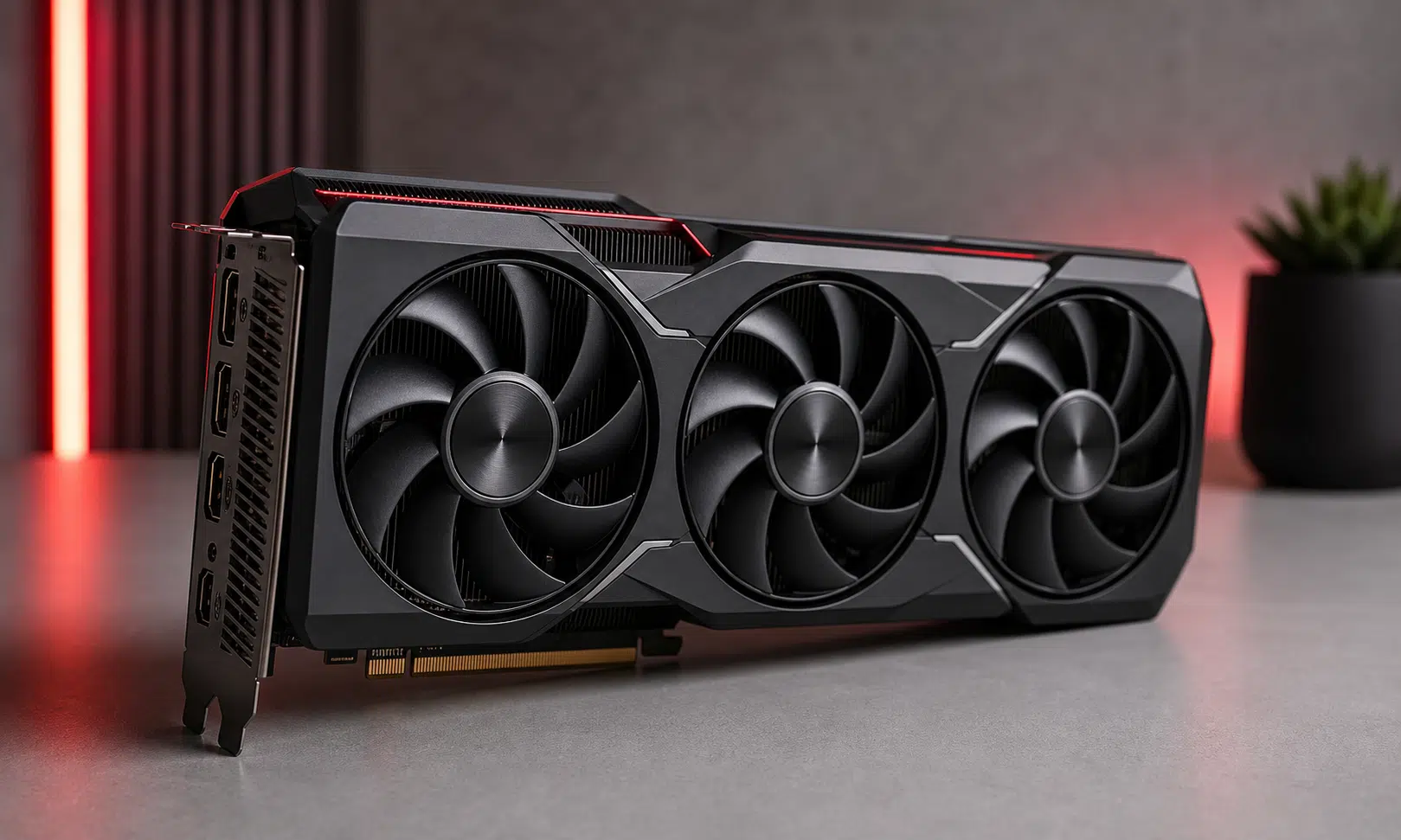

AMD’s Radeon RX 9070 GRE is being positioned as a new RDNA 4 graphics card for gamers who want strong 1440p performance without moving all the way up the stack. On paper, it looks like a more restrained version of the Radeon RX 9070: less memory, a narrower bus, and a lower overall ceiling, but still enough hardware to make it relevant for mainstream high-refresh gaming.
The difficult part is not the basic idea. A cut-down Radeon card with 12GB of VRAM can make sense if the price leaves enough daylight between it and faster 16GB models. The issue is that the reported $549 price puts the RX 9070 GRE in a crowded and uncomfortable spot, especially if nearby Radeon and GeForce cards are only modestly more expensive at retail.
Reported RX 9070 GRE Specs
The launch information describes the Radeon RX 9070 GRE as a 12GB GDDR6 graphics card based on AMD’s RDNA 4 architecture. The reported configuration includes 48 compute units, 48 third-generation ray tracing accelerators, and 96 second-generation AI accelerators, with a boost clock listed at up to 2.79GHz.
For memory, the card is described as using a 192-bit interface with around 482GB/s of bandwidth. Total board power is listed at 220W. Those figures point to a GPU intended for 1440p gaming rather than an entry-level card or a premium 4K option.
| Specification | Radeon RX 9070 GRE |
|---|---|
| Architecture | RDNA 4 |
| Compute units | 48 |
| Ray tracing accelerators | 48 |
| AI accelerators | 96 |
| Memory | 12GB GDDR6 |
| Memory bus | 192-bit |
| Memory bandwidth | About 482GB/s |
| Boost clock | Up to 2.79GHz |
| Total board power | 220W |
| Reported price | $549 |
Those specifications have not been independently tested here, so buyers should treat them as launch-positioning figures until board partner models and third-party benchmarks are available. The important buyer question is less whether the RX 9070 GRE can be fast enough for 1440p. It probably can be, based on where AMD appears to be placing it. The real question is whether it is priced far enough below stronger alternatives.
The Price Makes the Decision Complicated
At a reported $549, the Radeon RX 9070 GRE lands very close to the stated MSRP of the Radeon RX 9070 non-XT. That creates an immediate value problem. The non-XT model is described as offering more memory and a stronger overall specification set, so the GRE needs either a clear real-world discount or a meaningful availability advantage to make sense.
The source material frames the RX 9070 16GB as selling above MSRP in some listings, with $599 mentioned as a current retail point. That kind of gap can make the GRE look more attractive if a buyer is trying to stay near $550. But a $50 difference is not large in GPU terms, especially when the more expensive card may offer more memory and a better long-term margin for demanding games.
Radeon RX 9070 GRE Alternatives To Compare
| Image | Product | Best fit | Link |
|---|---|---|---|
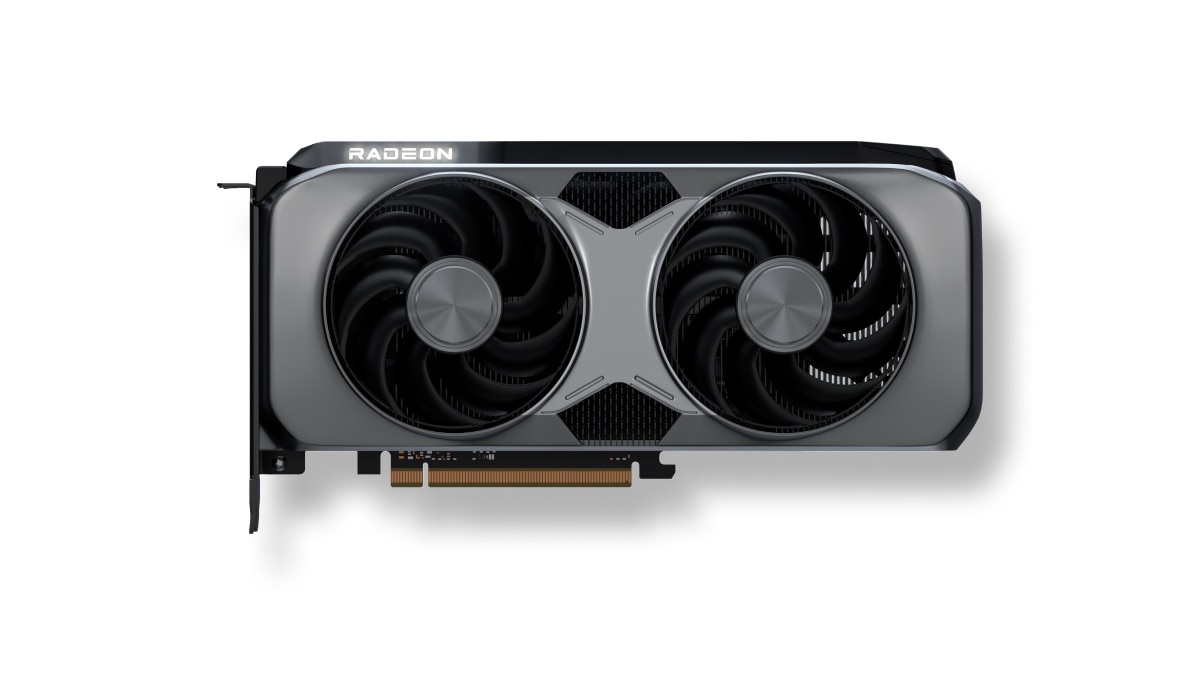 |
AMD Radeon RX 9070 GRE 12GB | Compare current RX 9070 GRE listings against nearby 16GB cards before buying. The card is most interesting when its street price is clearly below the RX 9070 16GB and RTX 5070. | Check Price on Amazon |
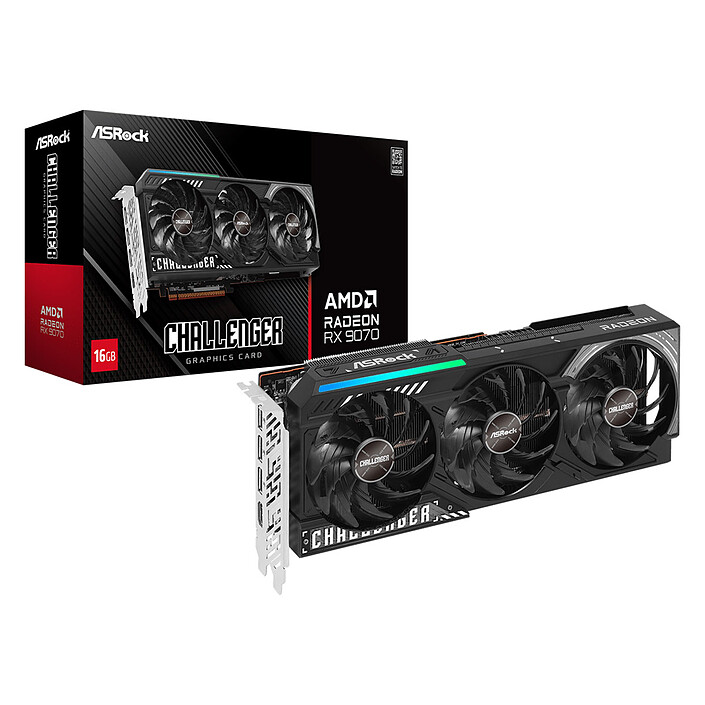 |
Radeon RX 9070 16GB | A Radeon RX 9070 16GB is the most important same-brand comparison. If it is only modestly more expensive, the extra VRAM and wider memory configuration may be worth the step up. | Check Price on Amazon |
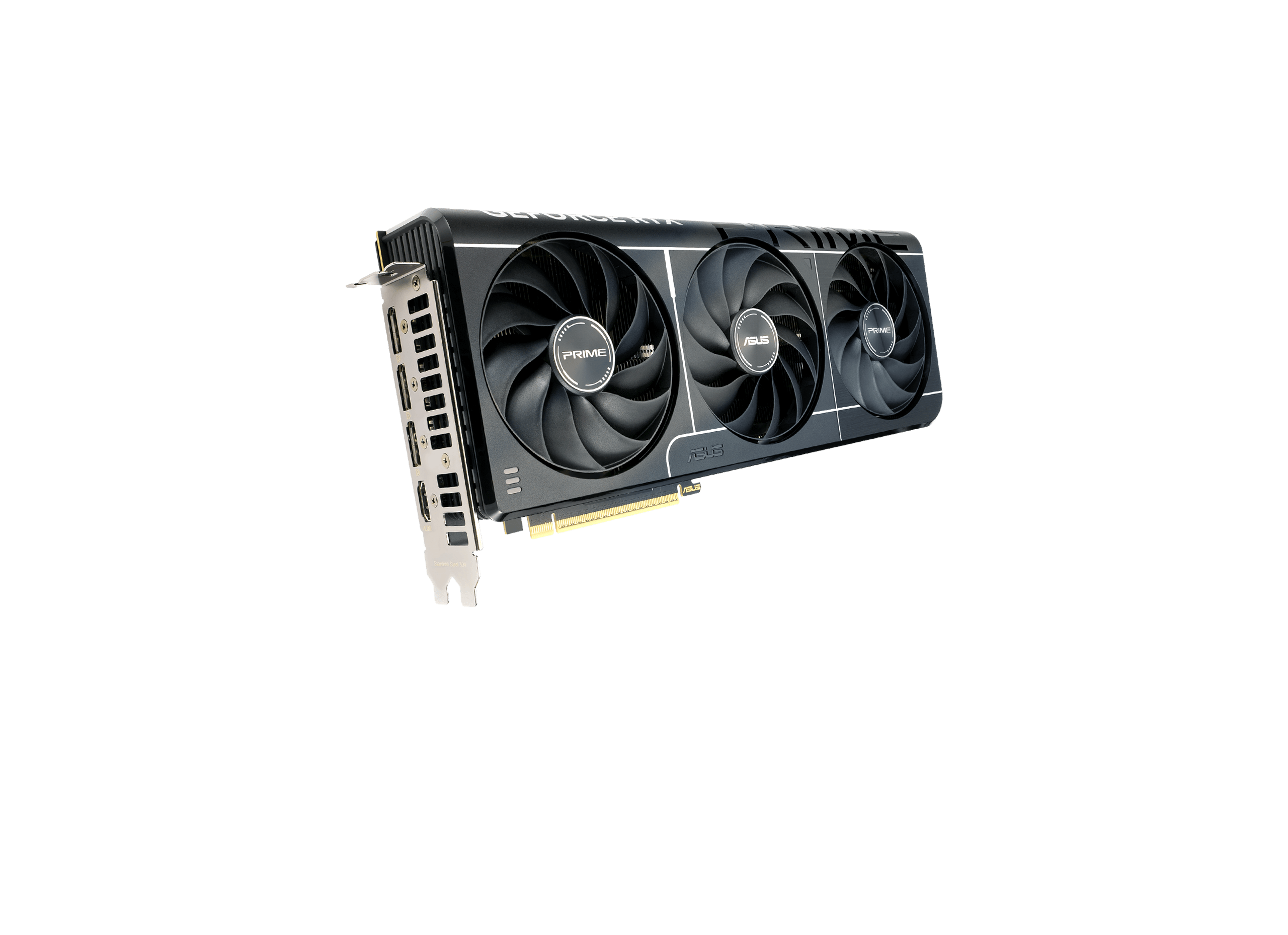 |
GeForce RTX 5070 12GB | The RTX 5070 is a natural cross-brand comparison when shoppers care about Nvidia features, ray tracing, and DLSS support. It becomes more relevant if it is priced close to the GRE at checkout. | Check Price on Amazon |
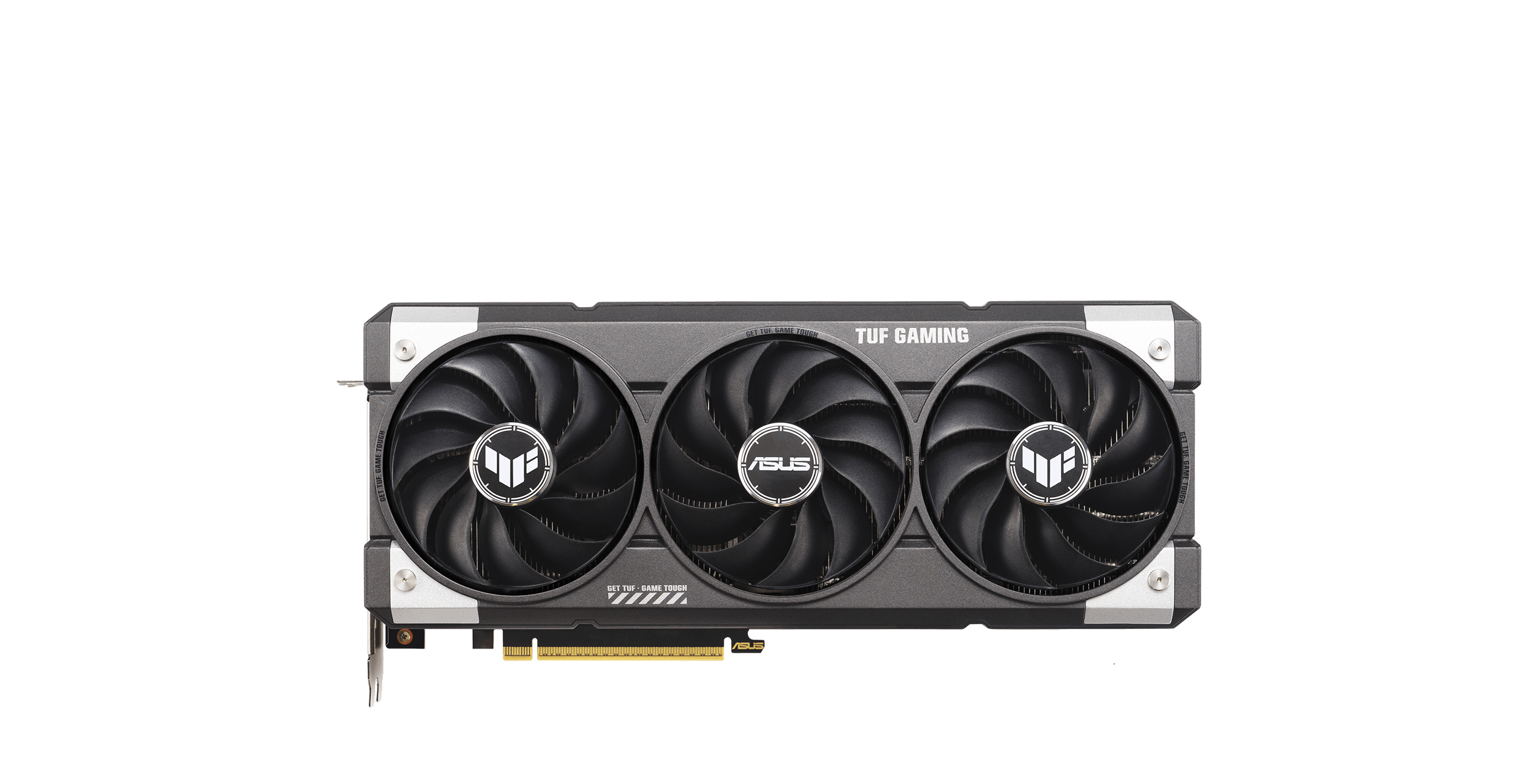 |
GeForce RTX 5060 Ti 16GB | The RTX 5060 Ti 16GB is the Nvidia card AMD is reportedly using for its comparison. It is worth checking when 16GB of VRAM, DLSS support, or a lower checkout price matters more than raw Radeon performance claims. | Check Price on Amazon |
As an Amazon Associate I earn from qualifying purchases.
This is why the RX 9070 GRE feels like a card that would have been easier to recommend at $499, and much easier at $449. At $549, it has to compete not only against Nvidia’s midrange options, but also against AMD’s own nearby Radeon lineup. That is a harder job than the spec sheet alone suggests.
AMD’s Performance Claim Needs Testing
AMD is said to be comparing the Radeon RX 9070 GRE against the GeForce RTX 5060 Ti 16GB, with a claimed advantage of up to 22% across a large mix of ray-traced and rasterized games. The company also reportedly points to better value versus that GeForce card, based on retail pricing.
Those claims should be treated carefully until independent reviews confirm the results across a consistent test suite. Vendor comparisons can be useful, but they depend heavily on the game list, settings, driver version, upscaling mode, and pricing snapshot used at the time.
For buyers, the better approach is simple: compare the RX 9070 GRE against the cards actually available at checkout. If an RTX 5060 Ti 16GB is priced close to the RX 9070 GRE, AMD’s card may be compelling in traditional raster performance. If an RX 9070 16GB or RTX 5070 is only a small step up in price, the GRE becomes harder to justify.
Software Support Helps, But It Does Not Fix Pricing
AMD is also emphasizing its upscaling and machine-learning graphics roadmap. The source mentions broad FSR game support, FSR 4, FSR 4.1, and future neural-rendering work under the FSR Diamond name. It also says AMD has discussed wider FSR 4.1 support for older Radeon generations, including RDNA 3 and RDNA 2 cards, though buyers should wait for firm availability and compatibility details before making a purchase around those promises.
That software story matters because upscaling, frame generation, and ray tracing support now shape the practical lifespan of a GPU. Still, software features do not erase the hardware tradeoff. A 12GB card at this price has to be judged against 16GB alternatives that may age better in texture-heavy games.
Verdict: Interesting Card, Tough Price
The Radeon RX 9070 GRE looks like it is aimed at a sensible audience: PC gamers who want a modern AMD card for 1440p play and do not want to pay premium GPU prices. The reported specs are credible for that role, and the card could be attractive if street pricing moves below launch expectations.
At $549, though, the RX 9070 GRE is not an automatic buy. It sits too close to stronger cards, especially if the Radeon RX 9070 16GB is available nearby in price. Buyers should wait for independent benchmarks, check actual local pricing, and compare the GRE against both the RX 9070 and RTX 5070 before deciding.
For now, the RX 9070 GRE is best understood as a potentially useful 1440p option with one major condition: it needs the right discount to become the obvious choice.