


When an air conditioner is running properly, most homeowners barely think about it. When it fails during hot weather, the decision can become urgent, expensive and hard to postpone.
For Canadian buyers weighing an air conditioner, furnace or water heater replacement, the main issue is not just seasonal demand. Industry representatives cited in the source article say tariffs on steel and aluminum, along with Canadian counter-tariffs, have added pressure to HVAC prices. Those cost increases have not been independently verified here, so the most useful way to treat them is as a warning from contractors and industry groups: replacement quotes may be higher than some homeowners expect.
That matters because HVAC purchases are not routine. A household may go many years without pricing a central air conditioner or furnace. By the time a replacement is needed, the customer is comparing today’s quote with an old memory of what major home equipment used to cost.
What buyers are being told about price pressure
Bryan Hazzard, owner of Absolute Comfort Heating and Cooling in Windsor, Ont., told CBC that tariff-related increases can amount to a few hundred dollars on a unit, depending on the manufacturer and how the product is affected. That specific figure has not been independently verified here, but it reflects the type of sticker shock contractors say customers are encountering.
The equipment most exposed, according to the article, includes furnaces, central air conditioners and standard storage water heaters. The reason is straightforward: these products are built largely from metal, so any tariff pressure on steel or aluminum can move through the supply chain.
For a buyer, the practical comparison is not simply one brand against another. It is the difference between replacing equipment under pressure and planning the purchase before a breakdown.
| Buyer situation | What changes | Why it matters |
|---|---|---|
| Emergency AC failure | Less time to compare quotes | The homeowner may have to accept faster availability over best price. |
| Planned replacement | More time to inspect options | Buyers can compare equipment, warranties and installer recommendations. |
| Older furnace or AC still running | Maintenance becomes more valuable | Extending equipment life may help avoid a rushed purchase. |
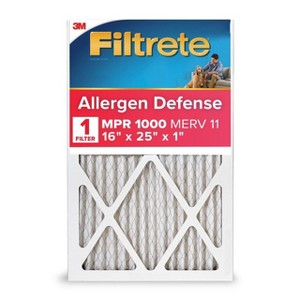
Replacement HVAC Furnace and AC Filter
A properly sized replacement HVAC filter makes routine maintenance easier to keep up with. Check the size printed on the existing filter frame and follow the system or installer guidance on MERV rating before ordering.
As an Amazon Associate I earn from qualifying purchases.
Why Canadian buyers may have fewer easy alternatives
Martin Luymes of the Heating, Refrigeration and Air Conditioning Institute of Canada told CBC that Canada does not manufacture much residential HVAC equipment in this sector. He said much of the market is served by companies based in the United States, with additional supply from Japan, Korea and, increasingly, China.
That supply picture is important for consumers. In some tariff disputes, buyers can switch to a domestic substitute and avoid part of the cost. HVAC is less flexible. If a furnace fails in a cold climate, replacement is often not discretionary. If a central air conditioner fails in a home that depends on it during hot weather, many households will also treat replacement as necessary rather than optional.
That makes the purchase different from a typical consumer swap. A homeowner may not have a long list of Canadian-made alternatives sitting beside imported models. They may instead be choosing among available systems, installation timelines, financing terms and service support.
The tariff detail buyers should treat carefully
The source article said there could be some relief from U.S. tariff changes, reporting that a presidential proclamation would lower tariffs on some derivative products, including certain residential heating, air conditioning and ventilation equipment, from 25 per cent to 15 per cent effective June 8. That policy detail has not been independently verified here, and the source did not provide a publication date in the supplied material, so buyers should avoid assuming a quote will automatically fall because of it.
For a household, the safer question is direct and local: what is included in the quote, and how long is the price valid?
Before committing, ask the contractor to separate the major parts of the offer where possible:
- Equipment model and capacity
- Installation labour
- Warranty coverage
- Any electrical, ductwork or disposal costs
- Financing charges, if offered
- How long the quoted price is guaranteed
That breakdown will not eliminate tariff pressure, but it can make competing quotes easier to compare.
Maintenance may be the best short-term buying strategy
If the system is still working, maintenance becomes a practical way to reduce the odds of an emergency replacement. Hazzard told CBC that homeowners should check filters every few months and keep the outdoor AC unit clean. He also warned against using a power sprayer on the outdoor unit, saying it can damage the equipment.
Those are modest steps, but they matter because the worst time to shop is when the house is already uncomfortable. A clean filter, clear airflow around the outdoor unit and a system that is not being forced to recover from large temperature swings may have a better chance of making it through the season.
The source also included a simple operating tip: choose a livable temperature and leave the thermostat there. The contractor’s view was that an air conditioner has an easier job maintaining a temperature than trying to catch up after the home has become too warm. That advice should be treated as contractor guidance rather than a universal guarantee, since homes, insulation and equipment condition vary.
How to compare replacement options without overbuying
A tariff-driven price increase, if it appears in a quote, should not push buyers into rushing past the basics. The right system still depends on the home, not just the sticker price.
A careful comparison should look at three things. First, the equipment has to be properly sized. A system that is too small may struggle; one that is too large can cycle poorly and cost more than needed. Second, the installer matters because a good unit can perform badly if the installation is weak. Third, the warranty and service relationship deserve attention, especially for a system the homeowner may keep for many years.
For some households, the choice may also include whether to replace like-for-like or ask about alternatives such as heat pumps, dual-fuel setups or different water-heating options. The source article does not provide enough detail to recommend one of those paths, but it does support the broader point: when imported metal-heavy equipment is under price pressure, buyers benefit from comparing the full replacement plan rather than only the unit price.
Bottom line for Canadian homeowners
Canadian AC replacement costs may be higher than some homeowners expect, according to HVAC industry voices cited in the source article. The reasons they point to are tariff pressure, thin margins among distributors and contractors, and Canada’s limited domestic manufacturing base for residential HVAC equipment.
The buyer takeaway is practical: if the system is aging but still working, maintain it, ask for quotes before it becomes an emergency and compare the full installation package. If the system has already failed, focus on clear quote details, availability, warranty terms and whether the contractor can explain why the recommended equipment fits the home.
Tariffs may be outside a homeowner’s control. A rushed purchase is not always avoidable either. But a clearer comparison can keep a stressful replacement from becoming more expensive than it needs to be.