


Intel’s refreshed Core Ultra desktop lineup puts the Core Ultra 5 250K Plus into a direct fight with one of AMD’s most interesting gaming-first chips, the Ryzen 5 7600X3D. Both sit in the same general buyer lane: mainstream PC builders who want strong frame rates without paying flagship CPU prices.
They approach that job very differently. Intel leans on a higher core count, higher stated boost clocks, broader tuning controls, and stronger application performance in the supplied test data. AMD leans on 3D V-Cache, lower power draw, better gaming efficiency, and the longer AM5 upgrade path.
That makes this less of a simple fastest-chip contest and more of a buyer decision. If your PC is mostly for games, the Ryzen 5 7600X3D has the cleaner argument. If your system also needs to handle rendering, encoding, multitasking, and heavier everyday production work, the Core Ultra 5 250K Plus looks like the more flexible option.
Recommended CPUs And Platform Parts
| Image | Product | Best fit | Link |
|---|---|---|---|
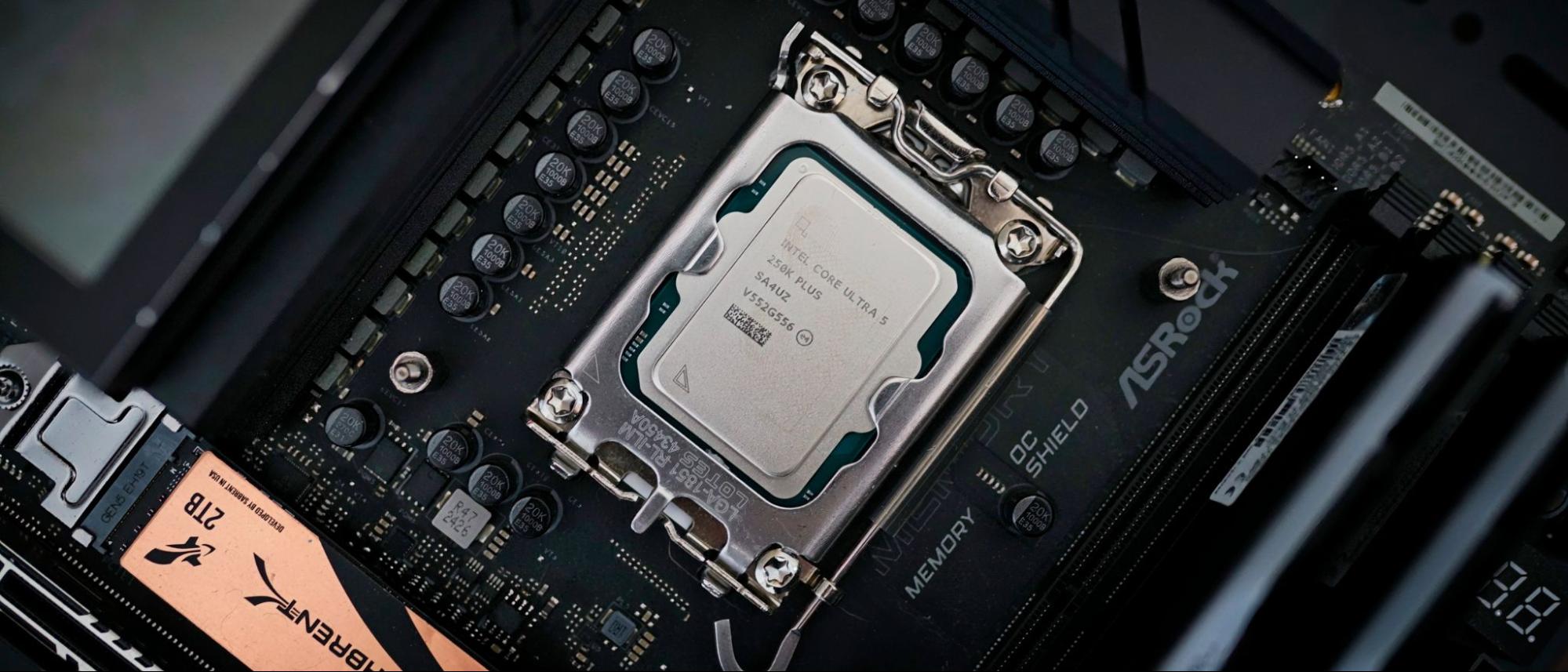 |
Intel Core Ultra 5 250K Plus | The Core Ultra 5 250K Plus is the better fit when the same PC needs to handle games, encoding, rendering, and heavier multitasking. Pair it with an LGA 1851 motherboard and cooling appropriate for sustained all-core workloads. | Check Price on Amazon |
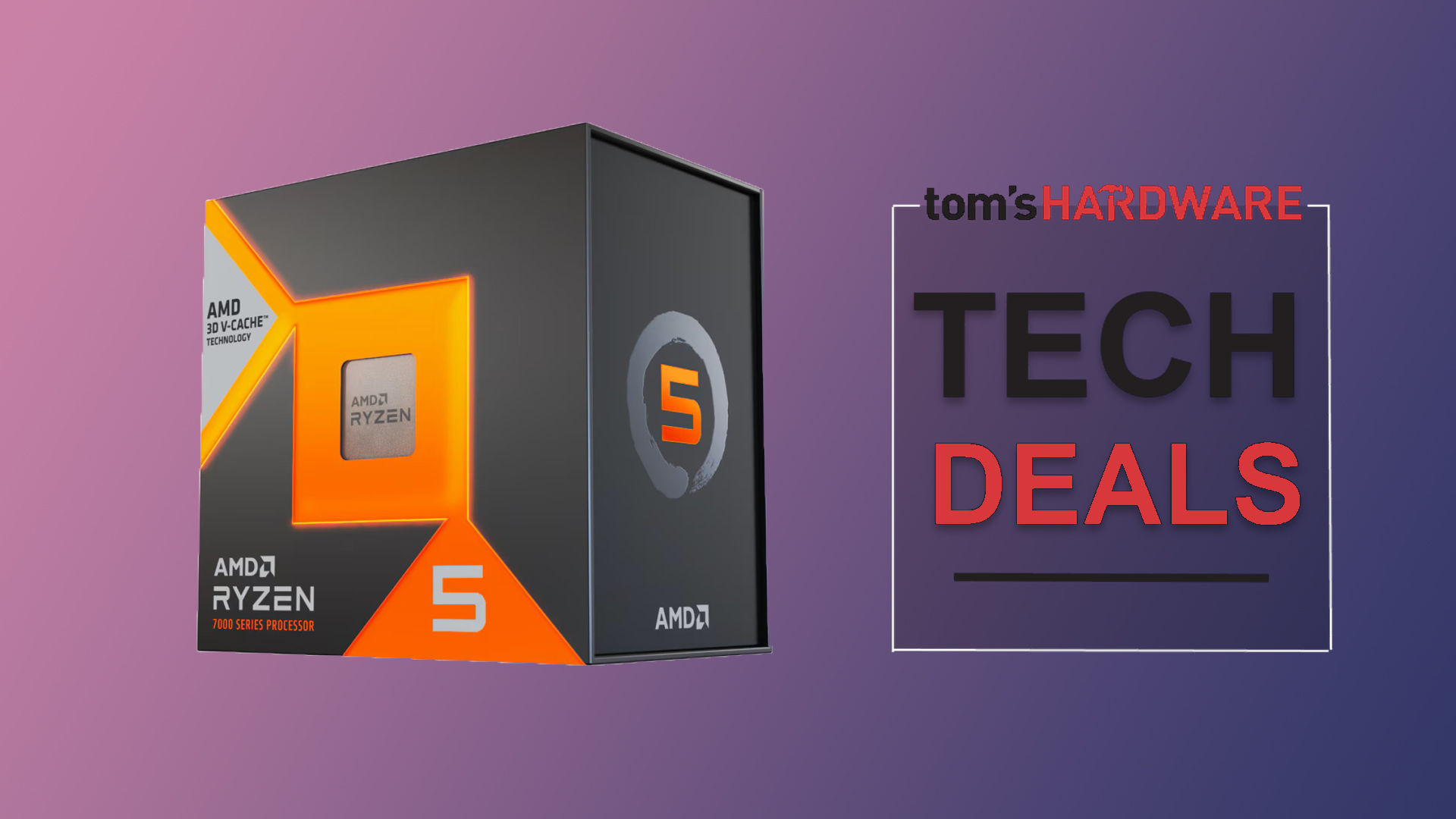 |
AMD Ryzen 5 7600X3D | The Ryzen 5 7600X3D makes the most sense when gaming performance, lower power draw, and AM5 upgrade flexibility matter more than heavy productivity speed. It is especially relevant for quiet or compact gaming PCs. | Check Price on Amazon |
 |
ASUS TUF Gaming B650-Plus WiFi | A B650 board is a sensible match for a Ryzen 5 7600X3D gaming build when you want DDR5 support, onboard WiFi, and an upgradeable AM5 base without jumping to a high-end X-series board. | Check Price on Amazon |
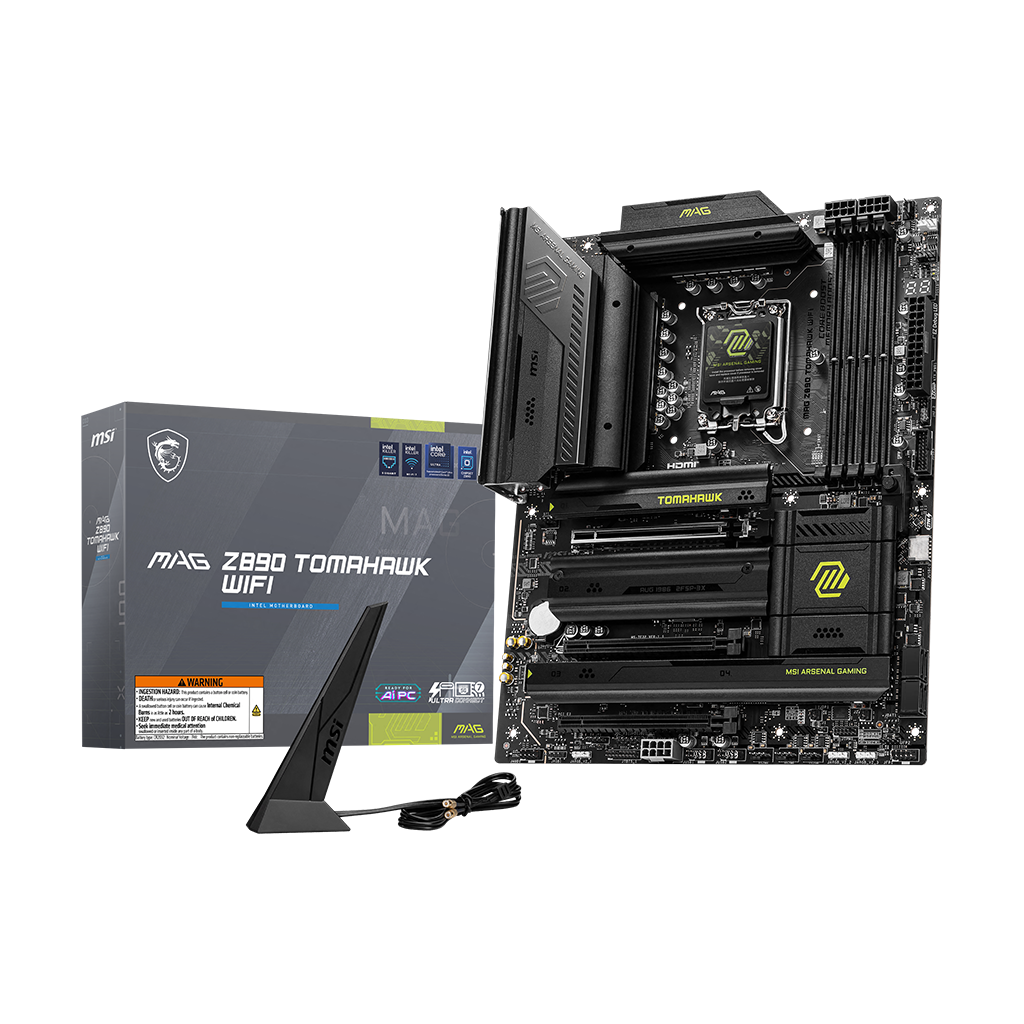 |
MSI MAG Z890 Tomahawk WiFi | A Z890 motherboard is the better match for buyers choosing the Core Ultra 5 250K Plus specifically for unlocked tuning and higher-end platform features. This class of board is most relevant when overclocking and stronger I/O matter. | Check Price on Amazon |
As an Amazon Associate I earn from qualifying purchases.
Quick Verdict
If you mainly care about gaming, the Ryzen 5 7600X3D is the better fit based on the supplied benchmark results. Its 3D V-Cache design gives it the higher average frame rate across the listed 1080p game suite, and it does that while drawing less power during gaming workloads.
If you split your time between gaming and productivity, the Core Ultra 5 250K Plus is easier to justify. It gives up some average gaming performance to the Ryzen chip, but it pulls far ahead in multi-threaded workloads and also leads in the listed single-threaded application tests.
The practical split looks like this:
- Choose the Ryzen 5 7600X3D if your priority is gaming performance, power efficiency, and AM5 upgrade flexibility.
- Choose the Core Ultra 5 250K Plus if you want stronger productivity performance, more cores, unlocked overclocking, and a balanced gaming-plus-work CPU.
- Think carefully about total platform cost, not just CPU price. Motherboards, DDR5 memory, cooling, and future upgrade plans matter here.
Neither chip wins every category. The source comparison ends in a 3-3 split across its major rounds, which is a fair reflection of how different these processors are.
Core Specs And Platform Differences
The Core Ultra 5 250K Plus is presented as part of Intel’s refreshed Arrow Lake desktop family, while the Ryzen 5 7600X3D is an AM5 processor built around AMD’s Zen 4 architecture with 3D V-Cache. Some launch and platform details in the supplied material have not been independently verified here, so the safest way to read this comparison is as a decision guide based on the provided test set and listed specifications.
The Intel chip uses a hybrid core layout, with six performance cores and 12 efficiency cores for 18 total cores and 18 threads. The Ryzen 5 7600X3D uses a simpler six-core, 12-thread layout. That difference matters most outside games, where heavily threaded applications can use Intel’s extra cores.
AMD’s counterweight is cache. The Ryzen 5 7600X3D is listed with 102MB of combined cache, including 96MB of L3 cache. The Intel chip is listed with 60MB of combined L2 and L3 cache. In games that respond well to large L3 cache, the Ryzen chip can post much stronger results even with fewer cores and lower clocks.
| Category | Intel Core Ultra 5 250K Plus | AMD Ryzen 5 7600X3D |
|---|---|---|
| Architecture | Arrow Lake Refresh / Core Ultra 200S Plus, per supplied material | Zen 4 with 3D V-Cache |
| Core layout | 6 P-cores + 12 E-cores | 6 cores |
| Threads | 18 | 12 |
| Listed boost clock | Up to 5.3 GHz P-core boost | Up to 4.7 GHz boost |
| Listed cache | 60MB combined L2 + L3 | 102MB combined cache |
| Listed CPU power rating | 125W base, 159W maximum turbo | 65W TDP, 88W PPT |
| Platform | LGA 1851 / Intel 800-series | AM5 / AMD 600- and 800-series |
Intel also has the advantage in listed official memory support, with DDR5-7200 cited for the Core Ultra 5 250K Plus versus DDR5-5200 for the Ryzen 5 7600X3D. That does not automatically mean every real-world build will run faster memory without tuning, motherboard support, or stability work, but it does point to Intel’s platform being friendlier to high-speed DDR5 experimentation.
On paper, the Core Ultra 5 250K Plus looks stronger as a general-purpose processor. It has more cores, more threads, higher listed boost clocks, and more tuning room. The Ryzen 5 7600X3D looks more specialized, but that specialization is exactly why it remains so compelling for gaming builds.
Gaming Performance: Ryzen Leads The Average, Intel Stays Competitive
The supplied gaming results compare both CPUs across 17 games at 1080p using high and ultra settings. The test setup is described as using an Nvidia GeForce RTX 5090 to reduce the chance of a GPU bottleneck, though those testing conditions have not been independently verified here.
In the listed 17-game 1080p geomean, the Core Ultra 5 250K Plus averages 153.5 FPS. The Ryzen 5 7600X3D averages 168.8 FPS. That puts AMD ahead by roughly 10% in average frame rate across the supplied game set.
The Ryzen chip’s advantage appears strongest in cache-sensitive titles. In the supplied numbers, it posts large leads in Minecraft RT, Final Fantasy XIV, and F1 2024. It also leads in several other listed games, including Baldur’s Gate 3, Hitman 3, Counter-Strike 2, and Far Cry 6.
Intel is not outclassed across the board. The Core Ultra 5 250K Plus wins some newer or less cache-sensitive titles in the supplied results, including Doom: The Dark Ages and Hogwarts Legacy. It is also listed ahead by smaller margins in The Last of Us Part I, Monster Hunter Wilds, Flight Simulator 2024, and Oblivion Remastered.
| Gaming Metric | Intel Core Ultra 5 250K Plus | AMD Ryzen 5 7600X3D | Advantage |
|---|---|---|---|
| 17-game 1080p average | 153.5 FPS | 168.8 FPS | Ryzen 5 7600X3D |
| Average gaming power | 82.3W | 65.3W | Ryzen 5 7600X3D |
| FPS per watt | 1.87 FPS/W | 2.58 FPS/W | Ryzen 5 7600X3D |
| Average gaming temperature | 48C | 64C | Core Ultra 5 250K Plus |
| FPS per dollar score | 0.77 FPS/$ | 0.84 FPS/$ | Ryzen 5 7600X3D |
The efficiency numbers are especially important. The Ryzen 5 7600X3D is listed at 65.3W average power during gaming, compared with 82.3W for the Core Ultra 5 250K Plus. That gives AMD a clear advantage in FPS per watt in the supplied data.
Intel’s surprise win is temperature. The Core Ultra 5 250K Plus is listed at 48C average during gaming, while the Ryzen 5 7600X3D is listed at 64C. That suggests Intel’s chip may be easier to keep cool in gaming workloads despite drawing more power, though cooler choice, motherboard settings, case airflow, and ambient temperature can all affect real-world results.
The gaming round goes to AMD. The Ryzen 5 7600X3D delivers higher average FPS, better listed FPS-per-watt efficiency, and stronger gaming value in the supplied charts. Intel remains close enough that it should not be dismissed by mixed-use buyers, but for a gaming-first PC, AMD has the better claim.
Productivity Performance: Intel Pulls Far Ahead
The productivity comparison is where the Core Ultra 5 250K Plus changes the tone of the faceoff. AMD’s 3D V-Cache helps a great deal in games, but the Ryzen 5 7600X3D’s six-core, 12-thread layout limits it in heavily threaded applications.
In the supplied multi-threaded productivity geomean, the Core Ultra 5 250K Plus scores 465 points, while the Ryzen 5 7600X3D scores 217. That is listed as a 114% lead for Intel, and the individual application results mostly follow the same pattern.
Cinebench heavily favors Intel in the provided data. The Core Ultra 5 250K Plus scores 1,860 points in Cinebench 2024 and 7,523 points in Cinebench 2026, compared with much lower results for the Ryzen chip. POV-Ray multi-core also lands strongly on Intel’s side, with 11,642 points for the Core Ultra chip versus 4,600 for the Ryzen processor.
Blender shows the same shape. The Intel CPU more than doubles the Ryzen chip in the listed Junkshop, Monster, and Classroom scenes. V-Ray 6, Corona Renderer, and Handbrake encoding also favor Intel by wide margins in the supplied results.
| Productivity Area | Result Pattern In Supplied Data | Better Fit |
|---|---|---|
| Multi-threaded rendering | Intel leads by very large margins | Core Ultra 5 250K Plus |
| Video encoding | Intel completes the listed work faster | Core Ultra 5 250K Plus |
| Ray tracing workloads | Intel scores much higher | Core Ultra 5 250K Plus |
| Single-threaded tests | Intel leads by smaller but still meaningful margins | Core Ultra 5 250K Plus |
| Gaming-heavy desktop use | AMD leads gaming averages but trails in apps | Ryzen 5 7600X3D |
Single-threaded performance also favors Intel, though the gap is smaller than in multi-threaded tests. The supplied single-threaded geomean gives the Core Ultra 5 250K Plus 261 points and the Ryzen 5 7600X3D 204 points, a listed lead of roughly 28% for Intel.
That matters for everyday responsiveness, lightly threaded creative tools, compression, older applications, and workflows that do not scale neatly across many cores. The Ryzen chip is not weak in a general sense, but the Core Ultra 5 250K Plus is clearly the stronger productivity CPU in this comparison.
This is the biggest reason the final recommendation cannot simply be “buy the gaming winner.” A desktop CPU often has to do more than feed a graphics card. If you stream, edit video, render 3D scenes, batch process images, encode media, compile code, or multitask heavily while gaming, Intel’s extra cores and stronger application results carry real weight.
Overclocking And Tuning
The Core Ultra 5 250K Plus also has the more open tuning story. It is described as an unlocked chip with multiplier control, per-core tuning, voltage adjustment, power-limit tuning, and additional controls for uncore-related areas such as ring/cache and die-to-die multipliers.
That gives Intel the more interesting platform for users who like to tune manually. High-speed DDR5 support and memory overclocking also fit that profile, especially for builders who already plan to buy a stronger motherboard and spend time testing stability.
The Ryzen 5 7600X3D is more restricted. Like other AMD X3D processors, it is not aimed at traditional frequency overclocking. Buyers generally work with Precision Boost Overdrive and Curve Optimizer instead, using voltage and boost behavior tuning to improve thermals or sustain clocks more consistently.
That does not make AMD’s approach bad. Many buyers prefer a CPU that performs well with minimal tuning. But if overclocking is part of the appeal, Intel has the better toolkit.
- Intel is better for manual overclocking and detailed tuning.
- AMD is better for lower-power gaming with light optimization.
- Intel benefits more from a higher-end board if you want full tuning access.
- AMD’s practical gains are more likely to come from PBO, Curve Optimizer, and memory tuning than from classic core overclocking.
This round goes to the Core Ultra 5 250K Plus. It offers more controls, more frequency headroom in the supplied description, and a platform better suited to enthusiasts who want to adjust CPU behavior directly.
Power, Cooling, And Efficiency
Power is one of the clearest divides between these CPUs. The Ryzen 5 7600X3D is listed with a 65W TDP and 88W PPT. The Core Ultra 5 250K Plus is listed with a 125W base power and 159W maximum turbo power. Those figures set expectations before any benchmark begins: Intel has more headroom to push performance, while AMD is built around lower power draw.
The supplied measurements follow that pattern. At idle, the Ryzen 5 7600X3D draws 25W versus 30W for the Intel chip. In active idle, AMD is listed at 28W and Intel at 37W.
Under heavy workloads, the gap becomes much larger. In the listed y-cruncher multi-threaded AVX test, the Core Ultra 5 250K Plus draws 179W, compared with 73W for the Ryzen 5 7600X3D. In Linpack, Intel is listed at 146W, while AMD stays at 65W. Cinebench 2024 multi-core shows a similar split, with 171W for Intel and 74W for AMD.
| Power Test | Core Ultra 5 250K Plus | Ryzen 5 7600X3D | Lower Power Draw |
|---|---|---|---|
| Idle | 30W | 25W | Ryzen 5 7600X3D |
| Active idle | 37W | 28W | Ryzen 5 7600X3D |
| y-cruncher multi-thread AVX | 179W | 73W | Ryzen 5 7600X3D |
| Linpack | 146W | 65W | Ryzen 5 7600X3D |
| Cinebench 2024 multi-core | 171W | 74W | Ryzen 5 7600X3D |
| Handbrake x265 10-bit | 159W | 70W | Ryzen 5 7600X3D |
Intel’s higher power draw is not wasted. In many of these same workloads, it is completing the task much faster. That distinction matters. A slower, lower-power CPU may consume less at any given moment but take longer to finish a job. A faster, higher-power CPU may draw more but save time.
Even so, AMD has the better efficiency story overall in the supplied data. In Linpack efficiency, the Ryzen 5 7600X3D reaches 10.1 GFLOPs per watt-hour compared with 8.2 for the Core Ultra 5 250K Plus. Cinebench efficiency is much closer, but AMD still holds a small listed edge. In gaming, the Ryzen chip’s FPS-per-watt lead is much more obvious.
Cooling is more nuanced. AMD draws less power, so it can generally be paired with a modest air cooler or entry-level liquid cooler. Intel draws more under heavy all-core workloads, so productivity-focused buyers should plan for a stronger cooler. In the supplied gaming temperature data, though, Intel actually runs cooler on average than AMD.
The practical takeaway is straightforward: Ryzen is the more efficient CPU, while Intel is the faster productivity CPU that demands more power when pushed. For small-form-factor builds, low-noise gaming rigs, and buyers sensitive to heat or power use, AMD has the cleaner profile. For users who care more about task completion time, Intel’s power draw may be acceptable.
Pricing And Total Platform Cost
CPU pricing puts these chips close enough that the platform matters as much as the processor. The Core Ultra 5 250K Plus is listed with a $199 launch price and current availability around $200 to $220. The Ryzen 5 7600X3D is described as originally launching at $299.99 and later appearing around $230.
Those price references may change quickly, so buyers should treat them as a snapshot rather than a permanent rule. At roughly $200 to $230, both CPUs compete in the same mid-range band.
The Intel chip uses LGA 1851 and requires an Intel 800-series motherboard. A Z890 board is the natural choice if you want CPU overclocking and higher-end platform features, but that raises total cost. A B860 board can make more sense for a mainstream build if you do not need CPU multiplier overclocking.
The Ryzen 5 7600X3D uses AM5, which means it can work with many AMD 600-series and 800-series boards, depending on BIOS support. A B650 or B850 board is the most sensible match for most buyers. Higher-end X670 and X870 boards add more I/O, stronger power delivery, and broader PCIe Gen 5 support, but they are not necessary for every gaming system.
DDR5 pricing is another major factor. The supplied article notes that 32GB DDR5 kits have become much more expensive, with typical 2x16GB kits cited around $300 to $400 in that snapshot. Memory prices move often, but the important point stands: DDR5 can erase small CPU-price differences quickly.
Cooling cost also matters. The Ryzen 5 7600X3D’s lower power draw makes it easier to cool affordably. The Core Ultra 5 250K Plus can be fine with a good air cooler for gaming, but users planning heavy productivity workloads or overclocking should budget for a stronger cooling setup.
The last platform question is upgrade life. AMD has publicly supported AM5 as a longer-lived platform, while the supplied material frames Intel’s LGA 1851 path as less certain. That makes AM5 more appealing for buyers who want to drop in a future CPU without replacing the motherboard.
| Cost Factor | Core Ultra 5 250K Plus | Ryzen 5 7600X3D |
|---|---|---|
| CPU price position | Slightly cheaper in supplied pricing | Slightly higher in supplied pricing |
| Motherboard path | Intel 800-series, Z890 for full CPU OC | AM5, B650/B850 often enough |
| Cooling needs | More demanding under heavy productivity loads | Easier to cool due to lower power draw |
| Memory | DDR5 required | DDR5 required |
| Upgrade outlook | Less certain in supplied platform discussion | Stronger long-term AM5 argument |
The pricing round leans AMD for most gaming buyers, even if Intel has a small CPU-price advantage. AM5’s upgrade path, lower power draw, and simpler cooling needs make the Ryzen chip feel like the safer long-term gaming platform. Intel remains attractive if you are specifically buying for mixed-use performance or overclocking.
Round-By-Round Scorecard
The comparison is close because each CPU wins the categories it was built to win. Intel looks better in specs, productivity, and tuning. AMD looks better in gaming, efficiency, and platform value.
| Round | Winner | Why It Wins |
|---|---|---|
| Features and specifications | Core Ultra 5 250K Plus | More cores, more threads, higher listed clocks, and faster listed memory support |
| Gaming performance | Ryzen 5 7600X3D | Higher supplied 17-game 1080p average and better gaming efficiency |
| Productivity performance | Core Ultra 5 250K Plus | Much stronger listed multi-threaded results and higher single-threaded geomean |
| Overclocking and tuning | Core Ultra 5 250K Plus | Unlocked tuning controls and broader manual adjustment options |
| Power and efficiency | Ryzen 5 7600X3D | Lower listed power draw across idle, gaming, and heavy workloads |
| Pricing and platform value | Ryzen 5 7600X3D | AM5 upgrade path, lower cooling demands, and strong gaming value |
That creates a 3-3 split, but not all buyers should weight those categories equally. A gaming-only buyer should give gaming performance, efficiency, and platform life more weight. A mixed-use buyer should give productivity performance and total system behavior more weight.
Who Should Buy The Ryzen 5 7600X3D?
The Ryzen 5 7600X3D is the better choice for a PC that will spend most of its time gaming. Its supplied average FPS lead is clear, and its lower power draw gives it an efficiency advantage that matters in quieter, cooler, and more compact builds.
It also makes sense for buyers who want AM5 as a long-term platform. The ability to upgrade later without replacing the motherboard can be more valuable than a small difference in today’s CPU price. That is especially true for buyers building around a good B650 or B850 motherboard and 32GB of DDR5.
Choose the Ryzen 5 7600X3D if:
- You care most about gaming frame rates.
- You want better gaming performance per watt.
- You prefer a lower-power CPU that is easier to cool.
- You want the AM5 platform’s upgrade flexibility.
- You do not run heavy productivity workloads often enough to need Intel’s extra cores.
The main compromise is application performance. The Ryzen chip can handle everyday work and general desktop use without issue, but it is not the better choice for heavy rendering, encoding, or sustained multi-threaded workloads in this comparison.
Who Should Buy The Core Ultra 5 250K Plus?
The Core Ultra 5 250K Plus is the better choice for buyers who want one CPU to cover gaming and serious productivity work. It trails the Ryzen chip in the supplied gaming average, but it is still competitive enough for a strong gaming PC. In return, it delivers much higher performance in the listed rendering, encoding, and multi-threaded application tests.
It is also the more natural fit for users who like manual tuning. The unlocked multiplier, per-core controls, memory headroom, and broader adjustment options give it a hands-on appeal the Ryzen 5 7600X3D does not match.
Choose the Core Ultra 5 250K Plus if:
- You game but also do content creation, encoding, rendering, or heavy multitasking.
- You want stronger single-threaded and multi-threaded application performance.
- You plan to tune or overclock the CPU.
- You are comfortable budgeting for an appropriate motherboard and cooler.
- You value all-around speed more than maximum gaming efficiency.
The tradeoff is power. Under heavy workloads, the Core Ultra 5 250K Plus draws far more power in the supplied measurements. That means your cooler, motherboard, case airflow, and power supply choices matter more than they do with the Ryzen chip.
Bottom Line
The Ryzen 5 7600X3D is the better gaming CPU in this comparison. It leads the supplied 17-game average, posts better FPS-per-watt numbers, and pairs that with a platform that looks more attractive for future upgrades. For a gaming-first build, that is the processor I would lean toward.
The Core Ultra 5 250K Plus is the stronger all-round CPU. It gives up some gaming performance, but it makes up for that with much better productivity results, more tuning flexibility, and a broader performance profile. For a PC that has to game, stream, edit, encode, and handle heavier multitasking, Intel’s chip makes more sense.
The decision comes down to workload, not brand. Buy the Ryzen 5 7600X3D for a focused gaming rig. Buy the Core Ultra 5 250K Plus for a mid-range desktop that needs to be fast at more than games.