

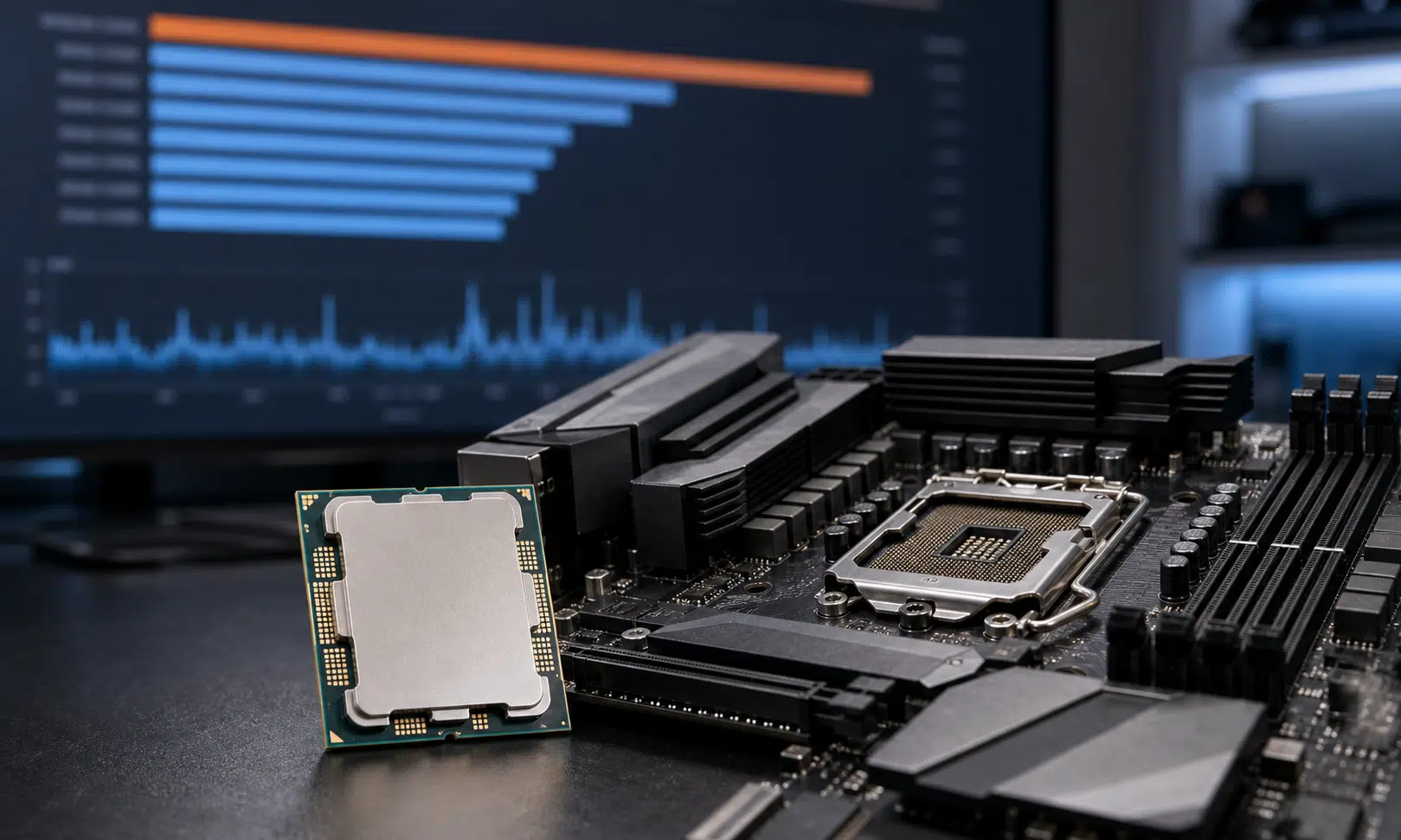

Star Citizen remains one of the more awkward games to use as a benchmark, but that is also what makes the latest CPU test interesting. PC Games Hardware tested the current Alpha 4.7.2 build with 30 processors, using the game as a deliberately tough CPU-bound scenario rather than a clean, controlled GPU showcase.
The headline result is straightforward: AMD’s Ryzen 9 9950X3D2 Dual Edition led the chart in most of the tested cases. The more useful takeaway is messier. Star Citizen can make even high-end desktop CPUs look inconsistent, and the fastest average frame rate does not mean the game is free of hitching, loading pauses or poor low-percentile results.
For buyers trying to judge a CPU upgrade around heavy simulation games, that distinction matters. Star Citizen appears able to reward more cores and 3D V-Cache, but the benchmark also shows that the game’s online nature, server state and asset streaming can still dominate the experience.
Why Star Citizen Is Still a Hard CPU Test
PCGH’s test focused on the Grand Barter Market on Levski, a busy in-game area chosen because it creates a repeatable load on the processor. The setup was designed to reduce GPU limits and expose CPU performance, using a low resolution with maximum details.
That combination may sound unusual, but it makes sense for a processor test. If the graphics card is allowed to become the bottleneck, the CPU differences get buried. By lowering the rendering burden while keeping the game world demanding, the test gives the processor more room to show where it stands.
The unusual part is that Star Citizen can reportedly stay CPU-limited even in scenarios where most games would have shifted the pressure back to the GPU. PCGH noted that with a GeForce RTX 5090, the game could still remain processor-bound even at Ultra HD with DLAA enabled. That is not a typical result for modern PC games, especially with such a powerful graphics card involved.
This is part of why Star Citizen keeps returning in CPU discussions. It is not just a graph-friendly benchmark. It is a live, online, still-in-development game with heavy simulation demands, large locations and performance behavior that can change depending on the server and scene.
Ryzen 9 9950X3D2 Leads the 30-CPU Chart
The Ryzen 9 9950X3D2 Dual Edition was the strongest performer in five of the six tested cases. In PCGH’s results, the 16-core Zen 5 processor finished ahead of the Ryzen 7 9850X3D by a clear margin, suggesting that Star Citizen can use more than eight modern cores when the workload lines up.
That is an important result because many games still do not scale cleanly beyond eight strong cores. Star Citizen appears to be one of the exceptions, at least in this benchmark route. A 16-core X3D chip is not just winning because it has cache; it also seems to benefit from the wider core count available to it.
Older CPUs did not show the same kind of scaling. PCGH’s data indicated that the Ryzen 9 5950X was close to the Ryzen 7 5800X and behind the Ryzen 7 5800X3D, though that specific comparison should be treated as benchmark-specific rather than a universal ranking. The broader pattern is easier to trust: in this test, newer X3D parts had a clear advantage, while older high-core-count chips did not automatically translate those cores into better Star Citizen performance.
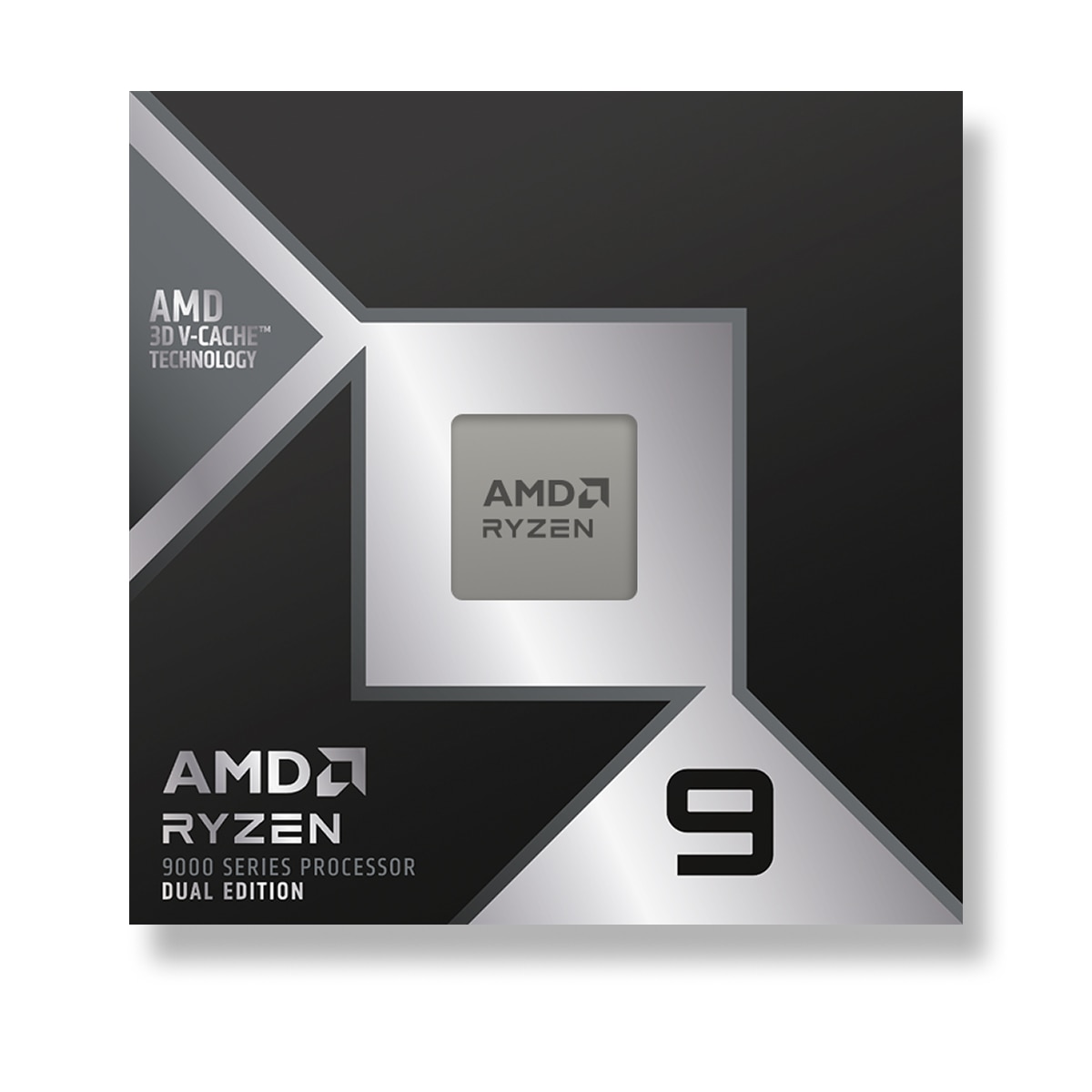
AMD Ryzen 9 9950X3D2 Dual Edition
For readers who specifically want the CPU highlighted in the benchmark, the Ryzen 9 9950X3D2 is the flagship option to compare against cheaper X3D chips. It makes the most sense for Star Citizen-focused buyers who also value heavy multitasking or creator workloads.
As an Amazon Associate I earn from qualifying purchases.
For someone building or upgrading a gaming PC, the result points toward a familiar but still useful conclusion. Core count can matter, but only when the game can use it well. Cache can matter, but it does not fix every frame-time problem. The best Star Citizen CPU is not necessarily the best-value CPU for every other game.
Benchmark Variance Is Still a Major Problem
The test also underlines why Star Citizen remains difficult to benchmark cleanly. PCGH reported wide swings between runs, with the same processor sometimes performing much better or worse depending on server state, location and other variables.
That makes the ranking useful, but not absolute. A single run can flatter or punish a processor in ways that do not necessarily reflect its real position. PCGH even noted an example where a Ryzen 7 9800X3D run came out ahead of both the Ryzen 7 9850X3D and Ryzen 9 9950X3D in one pass.
In a more traditional single-player benchmark, that kind of variance would usually point to a broken test route or an uncontrolled background task. In Star Citizen, it is closer to a known condition of the game. The online environment is part of the workload, and the server can influence what the player sees on the client side.
That does not make the results useless. It just changes how they should be read. The right way to look at this kind of test is as a pressure sample, not a final law of CPU performance. If a processor is consistently near the top across multiple passes, that says something. If two CPUs swap positions in one odd run, that should not be overinterpreted.
High Average FPS Does Not Remove Stutter
The most buyer-relevant part of the test may not be the average FPS chart at all. PCGH recorded examples where performance moved from 101 FPS in a hangar to 46 FPS only a few steps later, while the game remained CPU-limited.
That kind of swing is what players actually feel. A system can look strong in an average frame-rate chart and still feel uneven if the low-percentile results collapse. Star Citizen’s loading behavior and scene transitions can create frame-time spikes that are not solved simply by buying the fastest processor in the chart.
The Ryzen 9 9950X3D2 did not escape that reality. PCGH observed a run where the chip produced very low P0.2 results, falling to 7 FPS. That does not mean the CPU is weak. It means the game can still hit moments where the rest of the platform, the engine, streaming behavior or online state drags the experience down sharply.
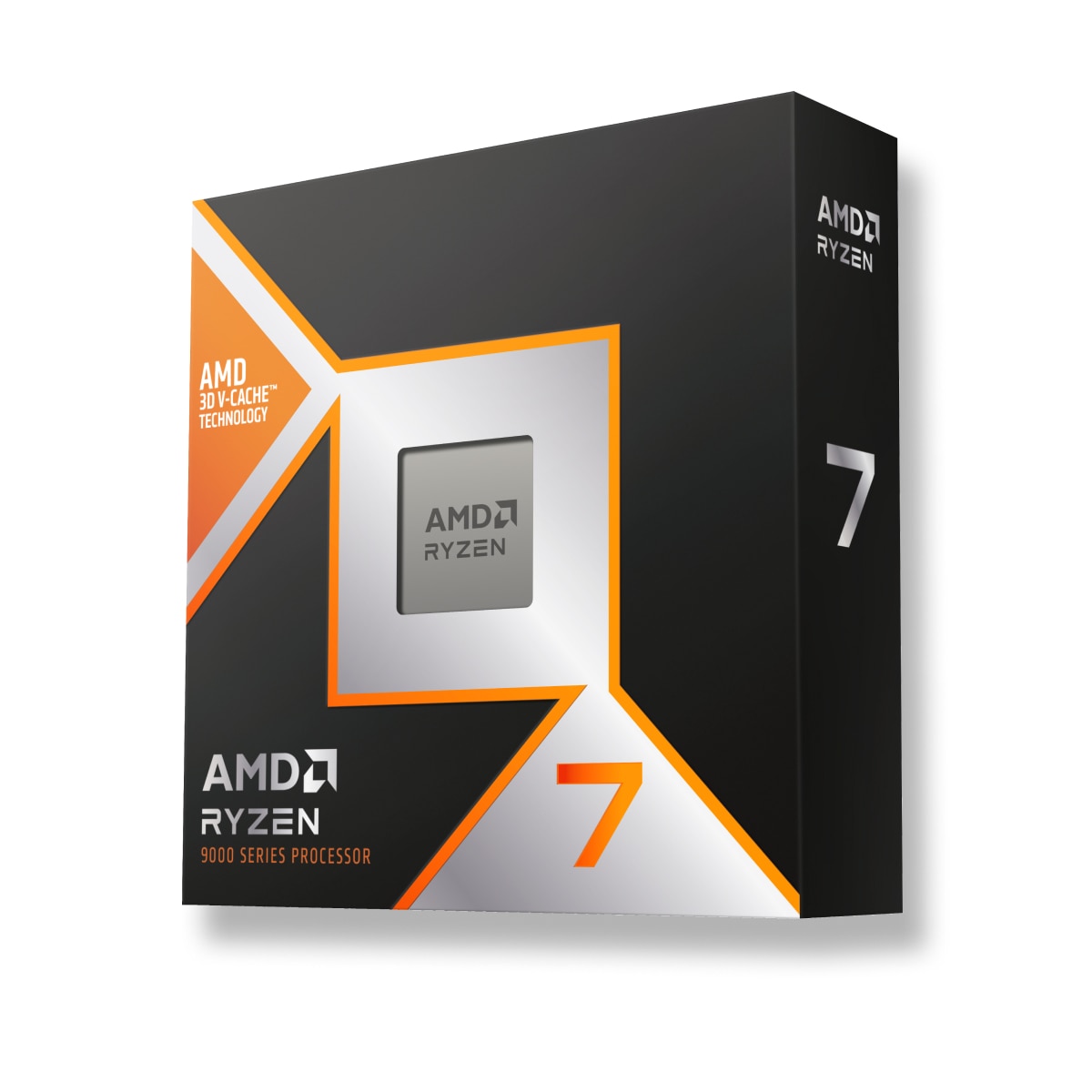
AMD Ryzen 7 9800X3D
The Ryzen 7 9800X3D is a useful comparison for buyers who care about X3D gaming performance but do not need a 16-core flagship. It keeps the recommendation tied to CPU-bound gaming rather than a generic PC upgrade.
As an Amazon Associate I earn from qualifying purchases.
For a practical upgrade decision, this is the part worth remembering. A faster CPU can raise the ceiling and often improve the floor, but it cannot guarantee a perfectly smooth Star Citizen session. Players coming from older CPUs may still see a meaningful improvement, especially with newer X3D parts, but they should not expect the game’s remaining stutters to disappear entirely.
What This Means for CPU Buyers
The PCGH results make a strong case that Star Citizen is one of the rare gaming workloads where a top-end 16-core X3D processor can stretch its legs. That does not automatically make the Ryzen 9 9950X3D2 the obvious buy for every player.
The more practical reading is this:
- Star Citizen can be extremely CPU-bound, even with a very fast GPU.
- Modern X3D processors appear especially well suited to this workload.
- More than eight cores can help in this specific game, at least in PCGH’s test scenario.
- Older high-core-count CPUs do not necessarily beat newer cache-heavy gaming CPUs.
- Server behavior, location and streaming can still cause major variance.
- Top-tier CPUs improve performance, but they do not eliminate stutter.
That makes the benchmark valuable, but also narrow. If Star Citizen is one of your main games, then the Ryzen 9 9950X3D2 result is worth paying attention to. If you mainly play a broad mix of modern titles, the usual value discussion still applies, and an expensive flagship CPU may not be the most balanced choice.
There is also the long-running context around Star Citizen itself. The game was announced in 2012 and remains in alpha, with Alpha 4.7.2 used for this test. Performance behavior can still change as development continues, so buying hardware for one current build carries more risk than buying around a finished, stable game.
The benchmark’s most useful message is not that one CPU has solved Star Citizen. It is that the game remains a severe processor workload, and that AMD’s latest high-end X3D hardware currently looks very strong in that environment. Even then, smoothness is not only a CPU question. In Star Citizen, the fastest chip in the chart can still run into the same rough edges that define the game’s performance today.
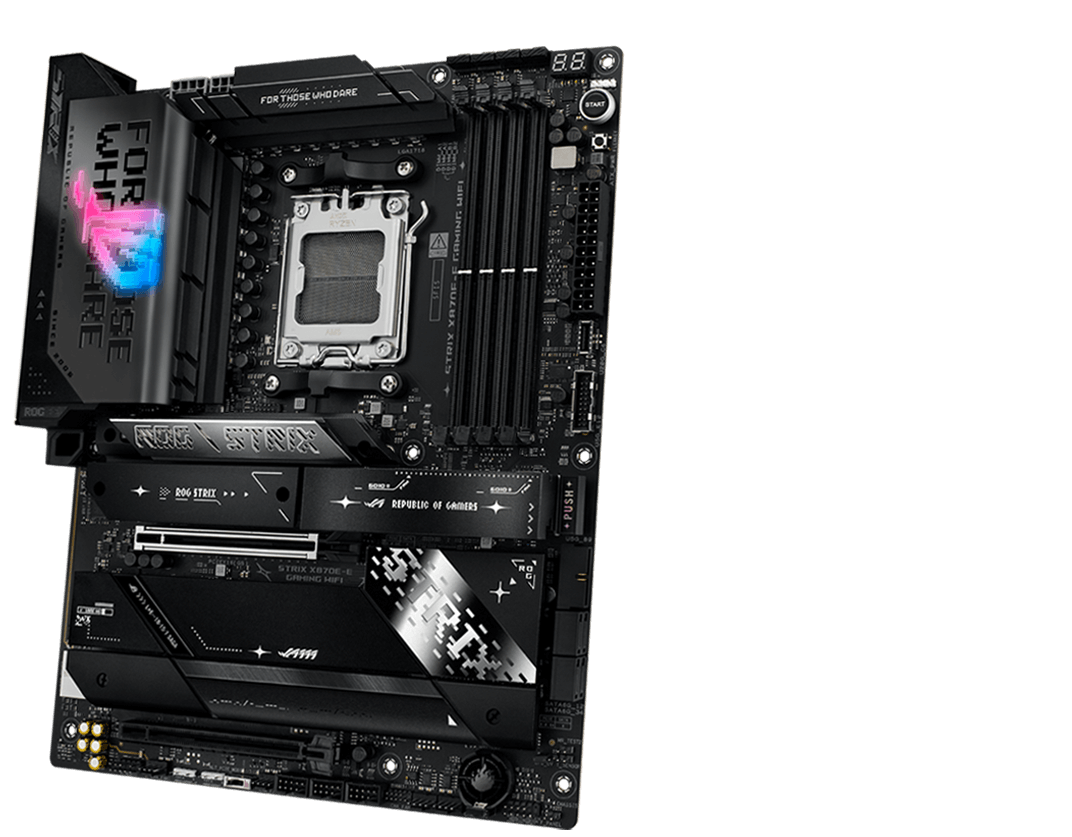
ASUS ROG Strix X870E-E Gaming WiFi
A Ryzen 9000 X3D upgrade may also require an AM5 motherboard, especially for readers coming from older platforms. An X870E board fits high-end builds where PCIe 5.0 storage, DDR5 support and strong power delivery matter.
As an Amazon Associate I earn from qualifying purchases.