


MSI-linked comments about the PC component market point to a difficult stretch for buyers, especially anyone pricing out a gaming desktop, workstation, or laptop that depends on expensive memory and graphics hardware. The central issue is not just whether parts exist on a shelf. It is whether vendors can see enough supply, quote stable prices, and build systems without revising costs every few weeks.
The strongest buyer takeaway is simple: memory and GPU pricing deserve extra scrutiny before a purchase, while CPU availability may be less of a long-term bottleneck if reported supply improvements materialize. A firm timeline has not been publicly confirmed, so buyers should treat any quarter-by-quarter forecast as a planning signal rather than a guarantee.
What MSI-linked comments suggest about the shortage
Comments attributed to MSI chairman Hsu Hsiang describe a component market where memory pricing has made planning harder for both consumers and commercial buyers. The reported concern is that memory suppliers provide limited visibility, leaving PC makers with only a short window to understand how much memory they can obtain and at what price.
That matters because memory is not isolated from the rest of the PC. A gaming laptop, prebuilt desktop, graphics card, or DIY motherboard bundle can all be affected when DRAM costs move sharply or supply visibility narrows. The company claims the pressure has weighed on the DIY market, but the exact scale of that impact has not been independently verified.
The same caution applies to reported GPU supply reductions. The source article says graphics chip supply was reduced because of memory constraints, but that figure has not been independently verified. Buyers should not treat a specific percentage as settled fact. The more useful point is that graphics cards depend on more than the GPU die itself. If memory availability tightens, board partners can still face constraints even when demand for cards remains strong.
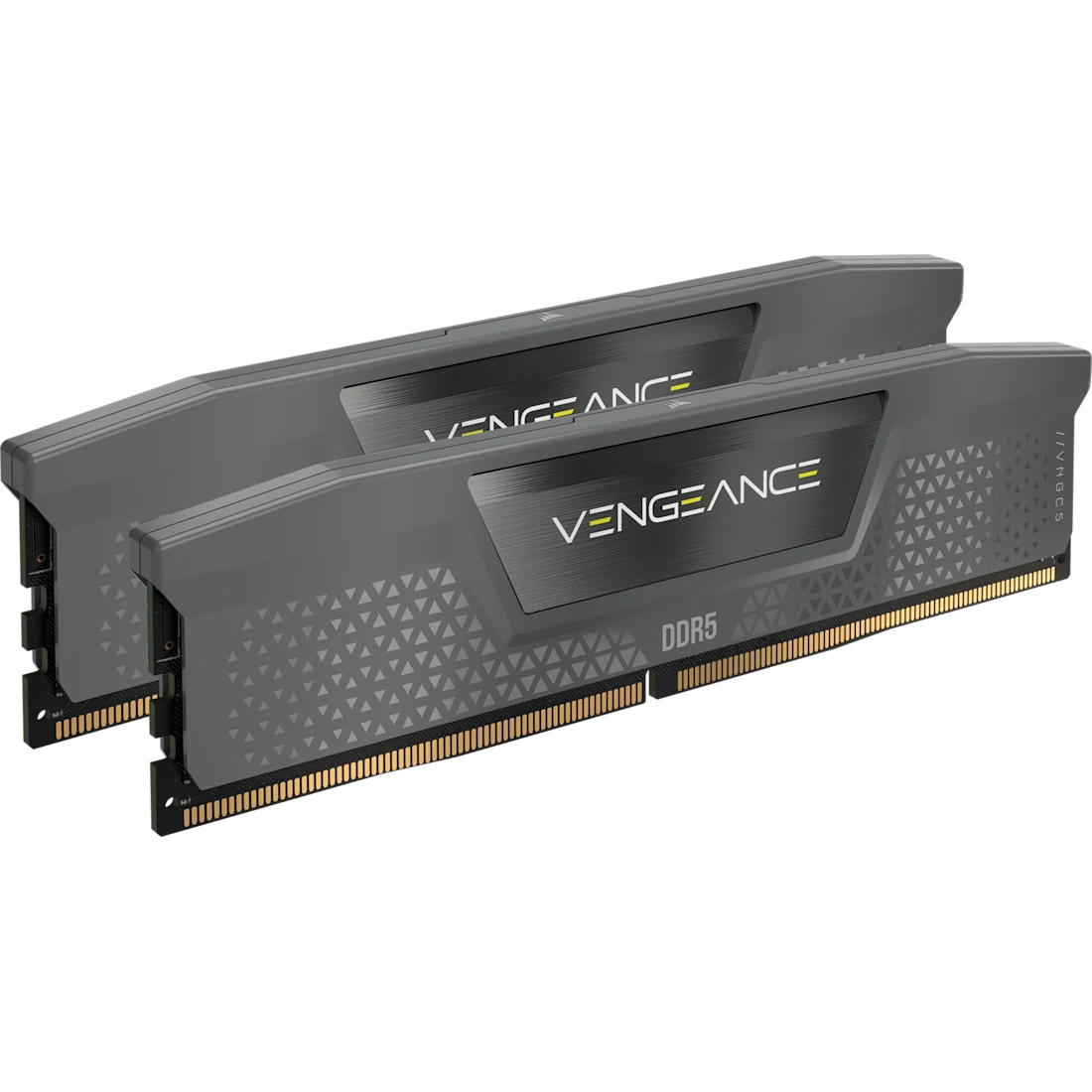
Corsair Vengeance 32GB DDR5-6000 Memory Kit
A 32GB DDR5-6000 kit is a practical baseline for many modern gaming and productivity desktops. Check motherboard support, CPU memory guidance, and current total build cost before choosing capacity or speed.
As an Amazon Associate I earn from qualifying purchases.
Why memory pricing is the piece buyers should watch first
Memory is the part of this story most likely to show up in everyday buying decisions. DDR5 kits, laptop memory configurations, and GPU memory packages all influence final system prices. If a vendor has only limited visibility into future supply, it becomes harder to hold a quote for long, harder to plan large orders, and harder for shoppers to know whether waiting will actually help.
For a buyer, that creates a practical tradeoff. Waiting may help if CPU availability improves or if a retailer discounts older inventory. Waiting may hurt if memory-heavy configurations rise further or if a specific GPU model becomes harder to find at a reasonable price. There is no confirmed return-to-normal date for DDR5 pricing in the supplied material, and claims about a specific recovery year should be treated as unverified unless confirmed elsewhere.
The safest approach is to compare full system pricing, not just one part. A cheaper processor will not help much if the memory kit, graphics card, or laptop configuration absorbs the savings. Likewise, a slightly more expensive CPU can still make sense if the complete build is available at a stable price.
CPU supply may improve, but buyers should avoid assuming relief everywhere
The CPU side of the story is more cautiously positive. The report says CPU shortages may ease in the second and third quarters, with AMD and Intel supply improving later in the year. A firm timeline has not been publicly confirmed, so this should be read as a possible improvement rather than a promise.
If CPU supply does improve while memory and GPU supply remain tight, the market could become uneven. Mainstream processors may become easier to source, but that does not automatically make a full gaming PC cheaper. Systems with high-capacity DDR5 memory or upper-tier graphics cards could still carry a shortage premium.
That unevenness is important for upgrade timing. Someone replacing only a CPU may have a different decision than someone building a complete PC from scratch. A CPU-only upgrade can be timed around processor discounts and motherboard compatibility. A full build has to account for memory, storage, graphics, power supply needs, and the total platform cost.
Buyer decision table: wait, buy, or adjust the build?
| Buyer situation | What the report implies | Practical move |
|---|---|---|
| Building a high-end gaming PC | Memory and GPU availability may remain difficult, and exact supply figures are not independently verified. | Price the full build now, set a ceiling, and avoid chasing a single GPU model if alternatives meet your target performance. |
| Buying a gaming laptop | Memory price pressure can affect finished systems, not just DIY parts. | Compare configurations carefully. A higher-RAM model may rise faster than a more modest one. |
| Upgrading only the CPU | Reported CPU supply improvement could help later, but the timing is not confirmed. | Waiting may be reasonable if your current system is usable and your motherboard path is clear. |
| Buying for a business or team | Short supply visibility can make quotes harder to hold. | Ask vendors how long pricing is valid and whether substitutions are possible before approving a larger order. |
Verdict: plan around memory and GPU uncertainty
This is not a clean buy-now-or-wait story. The better reading is that memory and graphics supply may remain the main pressure points, while CPUs could become less troublesome if reported improvements arrive. Because several figures and timelines in the original report are not independently verified, shoppers should avoid making decisions around a single claimed percentage or quarter.
For most buyers, the practical move is to make the purchase decision at the system level. If a complete PC, laptop, or GPU upgrade is already priced within your budget and meets your performance target, waiting for a broad market reset may not be worth the risk. If the build depends on expensive DDR5 capacity or a specific graphics card that is already above your comfort zone, it makes sense to pause, compare alternatives, and watch whether CPU availability improves without assuming memory prices will follow quickly.
The best value may come from flexible part selection: choosing a slightly different GPU tier, considering a lower initial memory capacity with an upgrade path, or timing a CPU purchase separately from the rest of the build. The shortage story is still too uncertain for hard predictions, but it is clear enough to change how buyers should shop: compare complete configurations, confirm quote windows, and do not let one discounted component hide higher costs elsewhere.