


Samsung is reportedly beginning to reduce semiconductor output before a planned 18-day strike by unionized workers, a move that could lengthen the disruption window for customers watching memory supply, AI infrastructure buildouts, and component pricing.
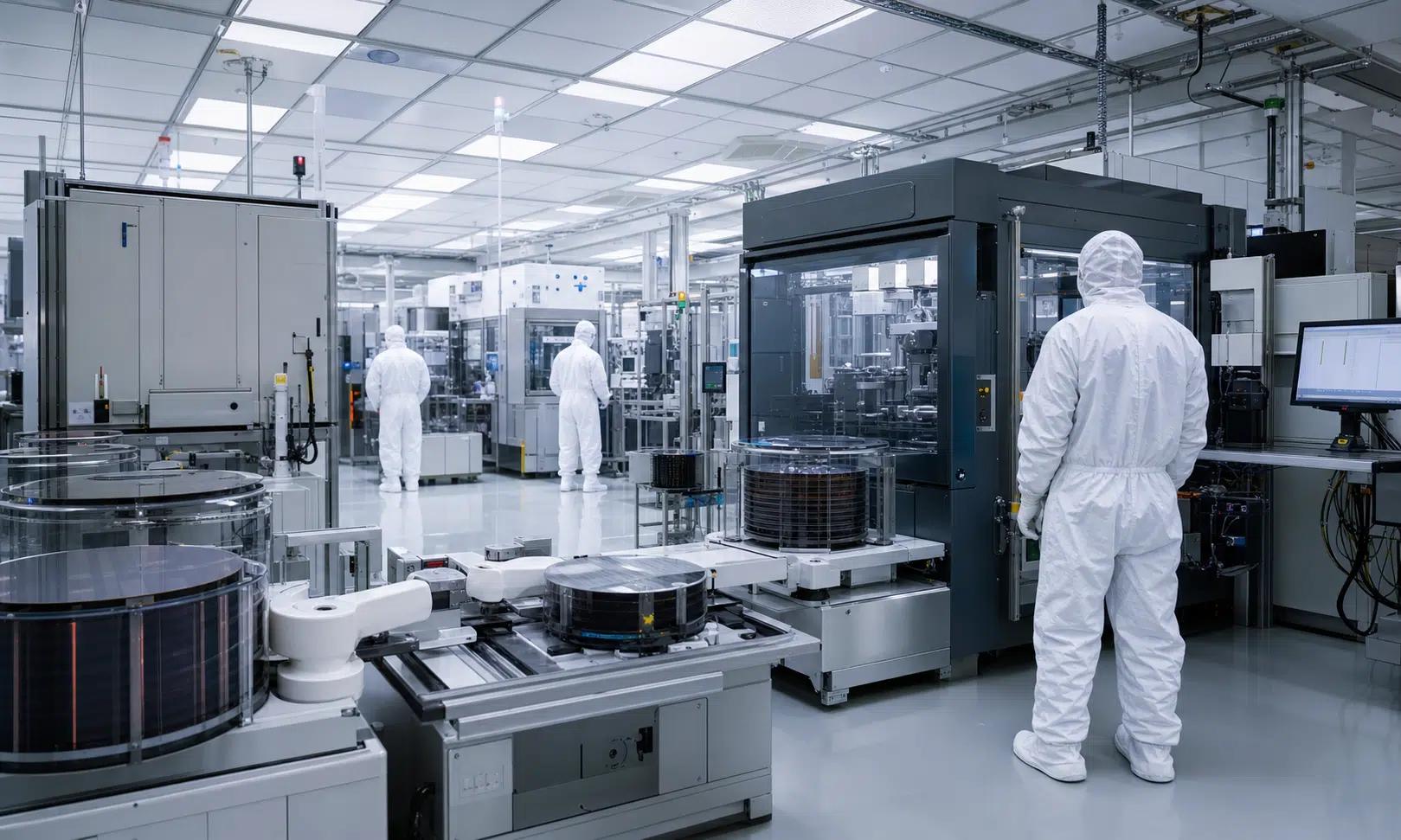
According to Korean media reports, the company has started limiting new wafer input and placing some production equipment, including lithography, etching, and cleaning tools, on standby ahead of the walkout. The planned strike is scheduled to begin on May 21 and run through June 7, after talks over bonuses and profit sharing failed to produce an agreement.
The reported pre-strike slowdown matters because chip fabs do not behave like ordinary factories. A short labor stoppage can ripple through production schedules long after workers return, especially when highly automated lines must be restarted, stabilized, and checked for yield quality.
What Samsung is reportedly changing before the strike
The production adjustments have been described in Korean reporting as an emergency management response, though the details have not been independently verified. The basic idea appears to be loss control: reduce the number of new wafers entering the line before a potential staffing shock, while shifting available capacity toward higher-value products.
That could include prioritizing HBM and advanced-node semiconductors over lower-margin output. For Samsung, that distinction is important. The company is trying to compete more aggressively in high-bandwidth memory, where demand from AI server builders has made supply reliability a board-level concern for buyers.
A wafer that has already entered a fab can spend weeks moving through hundreds of process steps. If staffing or tool availability becomes uncertain midway through that flow, the risk is not just lost output for a single day. It can mean delayed lots, lower utilization, and a more complicated recovery once normal operations resume.
For buyers, the practical question is not whether every Samsung memory product disappears from the market. It is whether delivery schedules for specific DRAM, NAND, and HBM parts become less predictable at the same time cloud providers, server makers, and device manufacturers are already planning around tight AI-related supply.

Samsung 990 PRO NVMe SSD
A PCIe 4.0 NVMe SSD is a practical upgrade to track if NAND supply or retail storage discounts start moving. Samsung’s 990 PRO is a common high-performance option for desktops, laptops, and workstation builds that support M.2 drives.
As an Amazon Associate I earn from qualifying purchases.
The possible production hit could last longer than the walkout
The planned strike period itself runs for 18 days, but analysts cited in Korean coverage have suggested the effect on output could extend beyond that calendar window. One estimate said restarting and stabilizing Samsung’s automated production lines after a full stoppage could take another two to three weeks.
That estimate should be treated as scenario analysis, not a confirmed outcome. The final impact depends on how many workers participate, which sites and process areas are affected, how much production Samsung can keep running, and whether management and the union resume talks before the strike begins.
Still, even a partial slowdown before May 21 changes the timeline. If wafer starts are being reduced days ahead of the walkout, Samsung’s lower-output period may already be underway. If recovery takes additional weeks after June 7, the total period of reduced production could stretch well beyond the official strike dates.
| Reported or projected factor | Why it matters |
|---|---|
| Pre-strike wafer input reductions | Could lower output before the official walkout begins. |
| 18-day planned strike | Creates the core disruption window for fab staffing and operations. |
| Two to three weeks of possible restart stabilization | Could delay a return to normal production even after workers come back. |
| Potential shift toward HBM and advanced chips | May protect high-value output while leaving other product categories tighter. |
Some published estimates put the financial risk in the trillions of won if fabrication lines were paused entirely. Those numbers have not been independently verified and should be read as high-stress projections rather than confirmed losses. The more immediate signal for customers is that Samsung appears to be preparing for operational disruption before the strike has formally started.
Why memory buyers should watch DRAM, NAND, and HBM separately
TrendForce has projected that the strike could affect a few percentage points of global DRAM and NAND supply because of Samsung’s market share. That forecast does not mean every retail SSD, memory module, or server contract will see an immediate price move. Memory markets are segmented, and the impact of a Samsung disruption would depend heavily on product type.
Commodity NAND used in consumer SSDs can behave differently from enterprise SSD supply. Standard DRAM does not face the same demand profile as HBM, where Nvidia-class AI accelerators and large server deployments have made qualification, delivery timing, and vendor confidence especially important.
For PC builders and small business buyers, the near-term advice is straightforward: do not assume a single strike headline means instant shortages, but do pay attention if contract pricing, SSD discounts, or memory kit availability starts to shift. Buyers with flexible timing may want to watch prices rather than panic-buy. Buyers with fixed deployment dates should confirm lead times sooner rather than later.

Crucial Pro DDR5 RAM Kit
Readers with a scheduled desktop build or small office refresh may want to compare DDR5 kit availability before buying. Match the kit speed, capacity, and form factor to the motherboard’s supported memory list.
As an Amazon Associate I earn from qualifying purchases.
Enterprise buyers have a different problem. If a system vendor, cloud provider, or AI infrastructure team depends on qualified Samsung memory for a specific platform, even brief uncertainty can push procurement teams to ask harder questions about backup supply from SK hynix or Micron. That does not automatically mean a supplier switch, but it can influence future allocation decisions.
The labor dispute is tied to AI-era chip profits
The strike threat is unfolding during an unusually profitable period for South Korean memory makers. Demand for HBM and other AI-oriented memory products has changed the bargaining backdrop for workers, especially after the memory downturn left Samsung’s chip division under pressure in previous years.
Samsung’s union has been pushing for a larger share of operating profit, while management has reportedly offered a framework closer to SK hynix’s profit-sharing structure. Reports have said the planned walkout follows the rejection of Samsung’s compensation offer, though the exact negotiating positions and timing should be treated cautiously unless confirmed by the parties involved.
The comparison with SK hynix is central to the dispute. SK hynix has benefited heavily from its position in HBM, and Korean reports have described unusually large potential employee bonuses there. That has created a sharper contrast for Samsung workers, who see the AI memory boom lifting the sector while their own bonus dispute remains unresolved.
Samsung reportedly invited the union to resume talks after negotiations broke down, while union leadership has indicated that further talks may wait until after the planned strike period. That negotiating timeline has not been independently verified, but it fits the broader picture: both sides are operating under rising pressure as the May 21 start date approaches.
For the chip market, the next few days matter. A settlement before the strike would likely reduce the risk of a deeper production hit. A large walkout, especially one that affects critical fab operations, could turn a labor dispute into a supply-chain event for memory buyers already dealing with AI-driven demand and tight high-end component availability.