


Elon Musk has described Nvidia hardware as the foundation for SpaceX’s future artificial intelligence systems, but the scope and timing of that commitment have not been independently verified. Key details—including what SpaceX plans to build, how much computing capacity it needs and when any deployment might begin—remain unconfirmed.
Musk has praised Nvidia’s Vera Rubin architecture and discussed using the company’s rack-scale systems for SpaceX projects. His statements suggest a preference for a single hardware platform rather than a mix of competing accelerators, although SpaceX has not publicly provided a detailed infrastructure plan that establishes an exclusive, long-term purchasing strategy.
That distinction matters. An endorsement from Musk can influence expectations around Nvidia’s next generation of AI hardware, but it does not reveal order volumes, spending commitments or deployment milestones. It also leaves open how broadly the proposed strategy would extend across SpaceX operations.
Vera Rubin is central to the proposal
Nvidia’s Vera Rubin platform sits at the center of Musk’s stated direction. He has highlighted its rack-scale design, arguing that a more integrated system could reduce the complicated cabling associated with conventional AI server installations. In theory, fewer connections could simplify deployment and maintenance, though SpaceX has not disclosed operating data or engineering tests supporting those benefits in its planned environments.
The proposal also points to a closer relationship between SpaceX and Nvidia as demand for large AI computing systems continues to shape infrastructure planning. Still, there is not enough confirmed information to determine whether SpaceX has ruled out every competing chip supplier or how its hardware requirements might change over time.
Orbital AI remains the bigger uncertainty
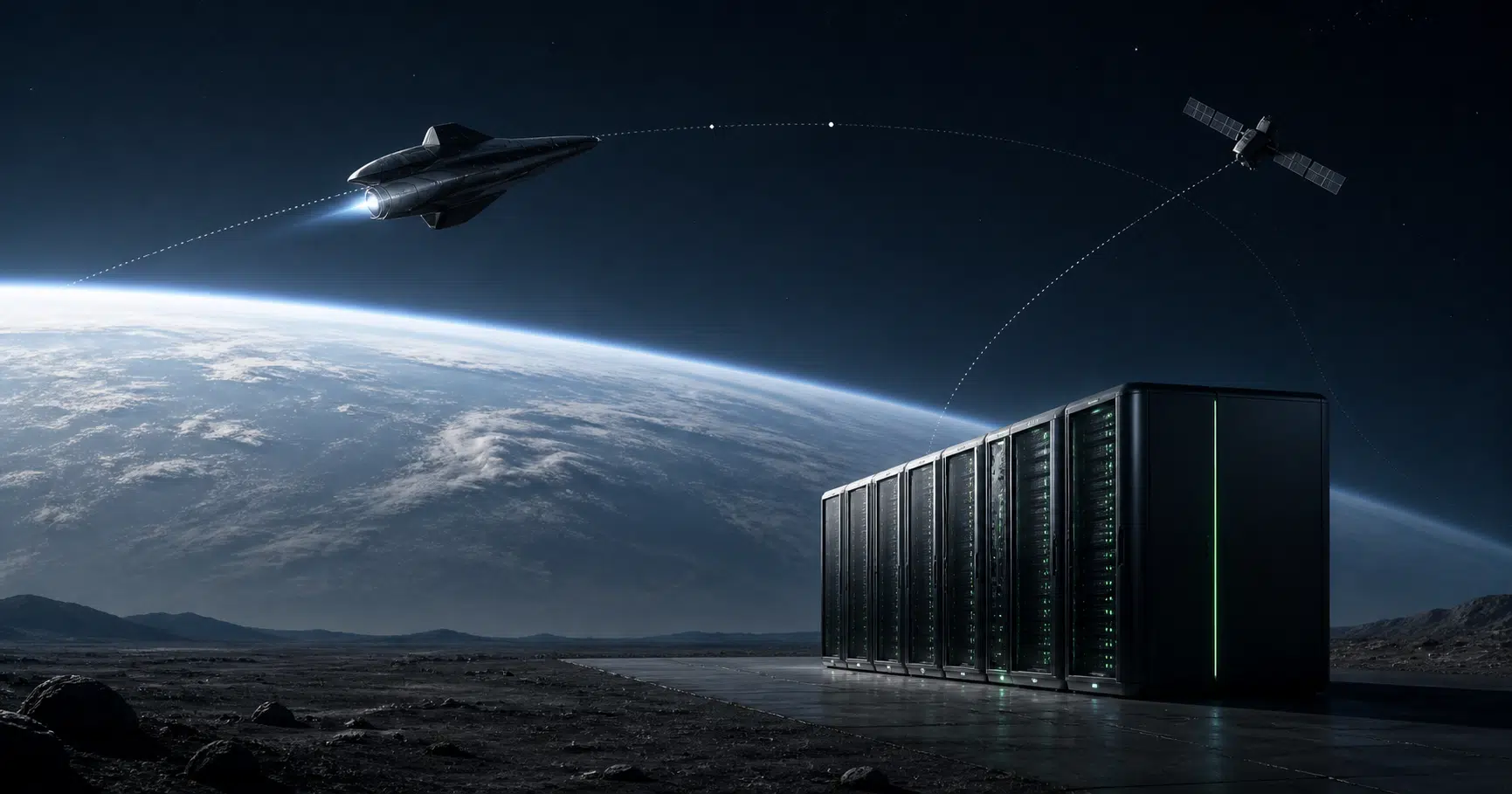
Musk has also discussed extending an Nvidia-based computing architecture beyond terrestrial data centers and into orbit. A firm launch schedule has not been publicly confirmed, and the proposed satellite configuration has not been independently verified.
Putting high-performance AI hardware in space would introduce challenges that are substantially different from running it in a data center. Cooling, power management, radiation exposure, communications and long-term serviceability would all affect the feasibility of an orbital system. SpaceX has not released enough technical information to show how those issues would be addressed.
For now, the clearest takeaway is that Musk sees Nvidia’s upcoming architecture as a preferred direction for SpaceX’s AI work. Whether that develops into an exclusive infrastructure program—or an operational computing platform in orbit—depends on technical and commercial details that have yet to be confirmed.