



Satisficing is a decision system for people who tend to turn simple choices into long research projects. Instead of trying to find the single best option, you define what “good enough” means, compare a limited set of choices, and stop once one meets the standard.
That can sound like settling. In practice, it is closer to budget control for attention. The goal is not to buy a bad laptop, pan, app, or set of tools. The goal is to avoid spending disproportionate time on decisions where the upside of more research keeps shrinking.
This matters most when a purchase is useful only after you start using it. A writer does not get better by comparing note-taking apps for weeks. A golfer does not improve by endlessly reading club reviews. A painter does not make more work by keeping a perfect supply spreadsheet. At some point, the decision has to hand off to the activity.
Verdict: Best for Low- to Medium-Stakes Choices
Satisficing is a strong fit when the cost of a wrong choice is manageable and the cost of delay is real. It is especially useful for everyday purchases, tools, subscriptions, travel options, restaurants, entertainment, and gear where several choices would probably work.
It is a weaker fit for high-stakes decisions where deeper diligence is necessary, such as legal, medical, financial, or safety-critical choices. In those cases, the same principle can still help organize research, but it should not be used as an excuse to skip expert advice or required checks.
| Decision factor | Editorial score | What it means |
|---|---|---|
| Impact | 9.5/10 | High value when over-researching is blocking action. |
| Setup | 7.5/10 | Simple to apply, but it requires clear criteria before browsing. |
| Maintenance | 7.5/10 | Works best when you periodically check whether research is becoming avoidance. |
How the System Works
The practical version of satisficing has three parts: narrow the field, set a decision window, and judge against criteria instead of vague preference.
- Limit the options. Start with a small shortlist rather than every possible product or experience. A handful of credible choices is usually easier to compare than a giant spreadsheet.
- Set a time limit. Give the decision a defined research window. A small purchase may only deserve a short session. A larger purchase can justify more time, but it still needs a stopping point.
- Choose by criteria. Decide what matters before the comparison begins. For a laptop, that might include battery life, processing power, design, price, and portability. The best choice is the one that clears the requirements that matter most to you.
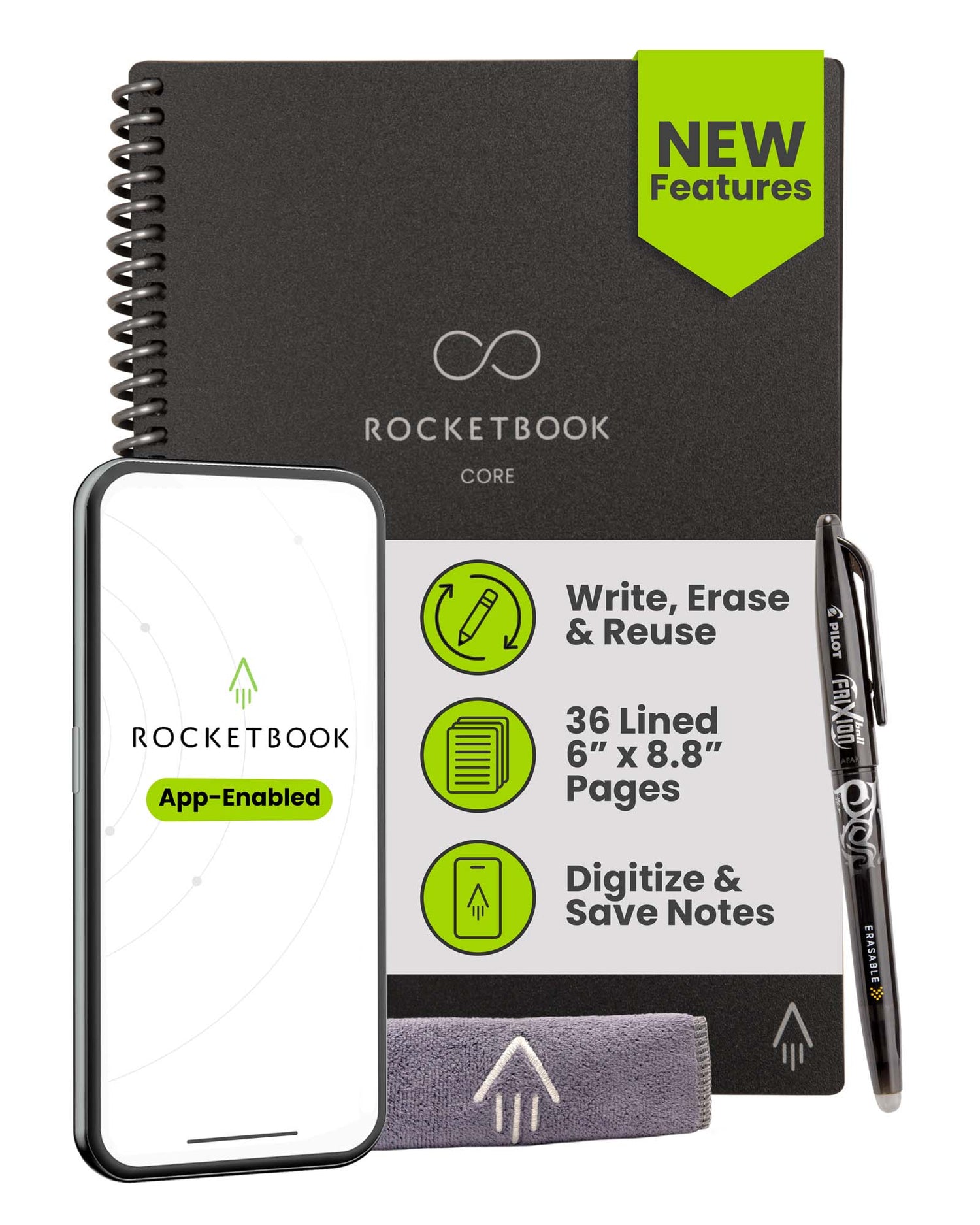
Rocketbook Core Reusable Notebook
A reusable notebook can work well for quick buying criteria, shortlists, and post-purchase notes. It is best for readers who prefer handwriting but still want to save or organize notes digitally.
As an Amazon Associate I earn from qualifying purchases.
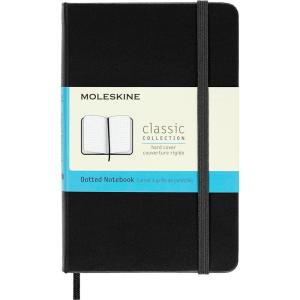
Moleskine Classic Dotted Notebook
A dotted notebook gives enough structure for checklists, short comparison grids, and quick decision notes without turning the process into a large spreadsheet.
As an Amazon Associate I earn from qualifying purchases.

Post-it Super Sticky Notes
Sticky notes are useful for limiting a choice set: one note per option, one note per must-have, then remove anything that does not meet the standard.
As an Amazon Associate I earn from qualifying purchases.
The key is to define success before the market starts defining it for you. Without criteria, every review, discount, feature, and comment thread can reset the decision. With criteria, the question becomes simpler: does this option meet the standard or not?
Where It Helps Buyers Most
Satisficing is especially useful when products are close enough that personal use matters more than theoretical superiority. If three pans are well reviewed, fit your budget, and work with your stove, the best next move may be to buy one and cook with it. If several apps meet your workflow needs, testing one for a week may teach you more than another evening of comparison.
This does not mean ignoring tradeoffs. It means naming them early. A buyer choosing a laptop might decide that battery life and price matter more than premium design. Someone buying creative tools might prioritize availability and comfort over the highest-end materials.
- Use satisficing when delay is costing more than the difference between options.
- Use deeper research when the downside of a wrong choice is large.
- Write down must-have criteria before opening comparison pages.
- Stop once an option meets the standard, unless a clear disqualifier appears.
Maintenance: Keep Research From Becoming Avoidance
The hardest part is not understanding satisficing. It is noticing when research has quietly become a way to postpone action. A useful check is to ask whether another hour of browsing is likely to change the decision or simply make it feel more justified.
After a choice is made, review the result lightly. Did the product or option do what it needed to do? Did choosing sooner free up time for the actual work, trip, meal, or project? That reflection helps build confidence in good-enough decisions without turning the review itself into another overthinking loop.
Satisficing works because many decisions do not need perfection. They need a clear standard, a reasonable comparison, and the discipline to move on once the standard is met.