


A new national survey distributed by the United Food and Commercial Workers International Union shows how deeply shoppers distrust data-driven pricing in grocery stores. According to the poll, 68% of Americans said they worry that surveillance pricing could increase the cost of goods, while only 5% said they think it would lead to lower prices.
That finding matters because electronic shelf labels, often shortened to ESLs, are moving from retail pilots into mainstream stores. These digital price tags can replace paper labels and allow prices to be updated more quickly. Supporters usually frame them as an efficiency tool. Critics see a possible path toward rapid price changes, personalized offers, and prices shaped by shopper data.
For buyers, the practical question is simple: will this technology make stores easier to shop, or will it make prices harder to trust?
What the Survey Says About Shopper Trust
The survey found strong resistance to both surveillance pricing and electronic shelf labels. Fifty-eight percent of respondents said digital price tags would make them less likely to shop at a store. Sixty-seven percent supported banning ESLs outright.
When survey takers were asked whether digital price tags were likely to increase or decrease consumer prices, 65% said they believed stores would use the technology to raise prices. Only 3% thought digital price tags would decrease prices. Other respondents expected prices to stay about the same or said they were unsure.
| Issue | Survey result | What it suggests for shoppers |
|---|---|---|
| Concern about surveillance pricing | 68% worried it would raise costs | Most consumers see risk before benefit |
| Digital shelf labels and store choice | 58% less likely to shop at stores using them | ESLs may become a trust issue for retailers |
| Support for banning ESLs | 67% in favor | Policy pressure is likely to grow |
| Expectation that ESLs raise prices | 65% said stores would use them to increase prices | Consumers want clearer pricing rules |
Those numbers also land at a time when grocery costs remain a top household concern. The survey found that 66% of respondents were worried about grocery prices, which helps explain why a technical change at the shelf can quickly become a political and consumer-protection issue.
Why Electronic Shelf Labels Are Controversial
Electronic shelf labels are not automatically surveillance pricing. A store could use them for ordinary tasks: correcting errors, updating sale prices, reducing paper waste, or helping staff manage inventory. In that version, shoppers still see the same price as everyone else, and the price is not tied to personal data.
The concern is what the same infrastructure could support if paired with loyalty programs, mobile apps, location tracking, purchase histories, or algorithmic pricing software. Critics worry about models where prices change quickly based on demand, time, weather, or assumptions about what a shopper may be willing to pay. Some of those examples remain largely theoretical in the grocery aisle, but they are central to the policy debate.
Walmart has been rolling out electronic shelf labels in its U.S. stores and has said it is not using them to raise prices dynamically. The company has also said human managers remain involved when prices change. Still, the combination of digital labels, AI pricing patents, and tight household budgets has made many shoppers skeptical.

Epson RapidReceipt RR-60 Receipt Scanner
A compact receipt scanner can help households keep grocery receipts organized when comparing shelf prices, app prices, and register totals over time. It is most useful for shoppers who regularly track expenses or dispute checkout errors.
As an Amazon Associate I earn from qualifying purchases.
How to Compare Stores as Pricing Tech Spreads
For shoppers, the best response is not panic. It is comparison. If a store uses electronic shelf labels, the important details are whether prices are stable, clearly displayed, and consistent between the shelf, app, loyalty account, and register.
Useful buyer criteria include:
- Price consistency: Check whether the shelf price, checkout price, and app price match.
- Sale clarity: Look for clear start and end dates on promotions.
- Loyalty dependence: Notice whether regular prices are fair without giving up more personal data.
- Receipt accuracy: Keep receipts when shopping at stores that frequently update prices.
- Policy transparency: Prefer retailers that explain when and why prices change.
This is also where privacy habits matter. Grocery apps, loyalty accounts, payment profiles, and location permissions can all create a more detailed picture of a shopper. Even when a store says it is not using that information for personalized prices, limiting unnecessary data sharing can reduce exposure to future pricing experiments.
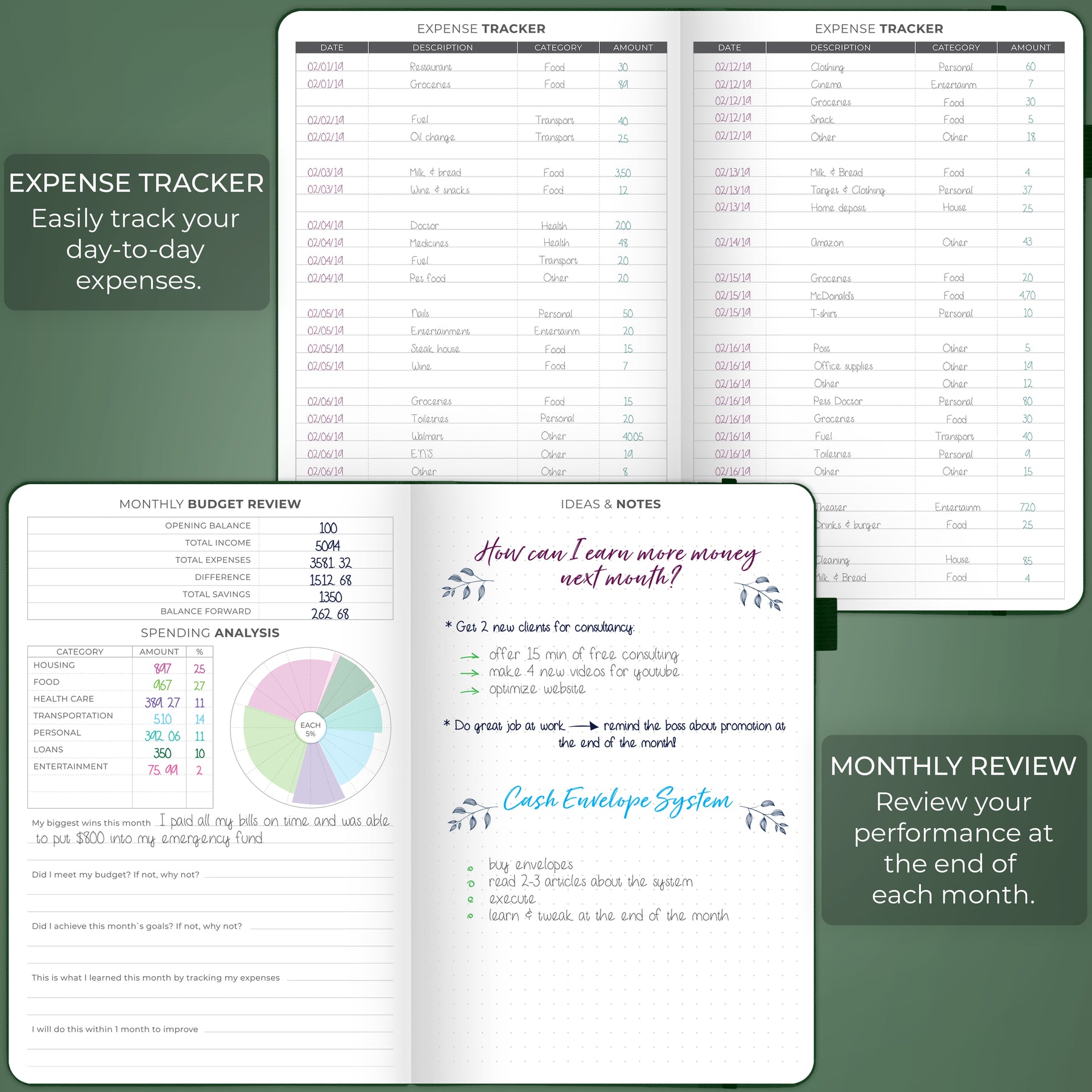
Clever Fox Budget Planner
A paper budget planner gives shoppers a simple way to compare weekly grocery spending across stores without adding another retail app account. It works best when paired with saved receipts and a consistent shopping list.
As an Amazon Associate I earn from qualifying purchases.
What Lawmakers Are Considering
The UFCW has tied the survey to its Affordable Groceries and Good Jobs campaign, which is pushing lawmakers to restrict surveillance pricing and electronic shelf labels in grocery stores. The union argues that the technology could raise prices for families and reduce store jobs tied to traditional shelf-label work.
UFCW International Vice President Ademola Oyefeso has described ESLs as a tool that could enable price gouging. Retail technology supporters dispute that framing and often prefer terms such as personalized pricing, arguing that stores still have strong incentives to compete on price. That defense has not removed the broader concern that grocery pricing could become less visible and less equal.
Maryland has already passed a first-of-its-kind law restricting surveillance pricing in the grocery sector, with the measure scheduled to take effect in 2026. Privacy and consumer advocates have warned that the law may leave loopholes, including questions about discounts, delivery services, and how pricing systems define groups of shoppers. Other states, including New York, New Jersey, and Illinois, have considered similar measures.
The Bottom Line for Shoppers
Electronic shelf labels can be a routine retail upgrade, but shoppers are judging them in the context of high grocery bills and growing concern over personal data. That is why the same small screen on a store shelf can read as either convenience or risk.
For now, the smartest buying strategy is to compare stores on price transparency, not just sticker prices. A retailer that uses digital labels but keeps prices consistent, explains promotions clearly, and limits data-driven pricing deserves a different level of trust than one that makes prices harder to verify.
The survey shows that most Americans are not yet convinced the technology will work in their favor. Until stores and lawmakers provide clearer guardrails, skepticism around surveillance pricing is likely to remain part of the grocery-shopping decision.