

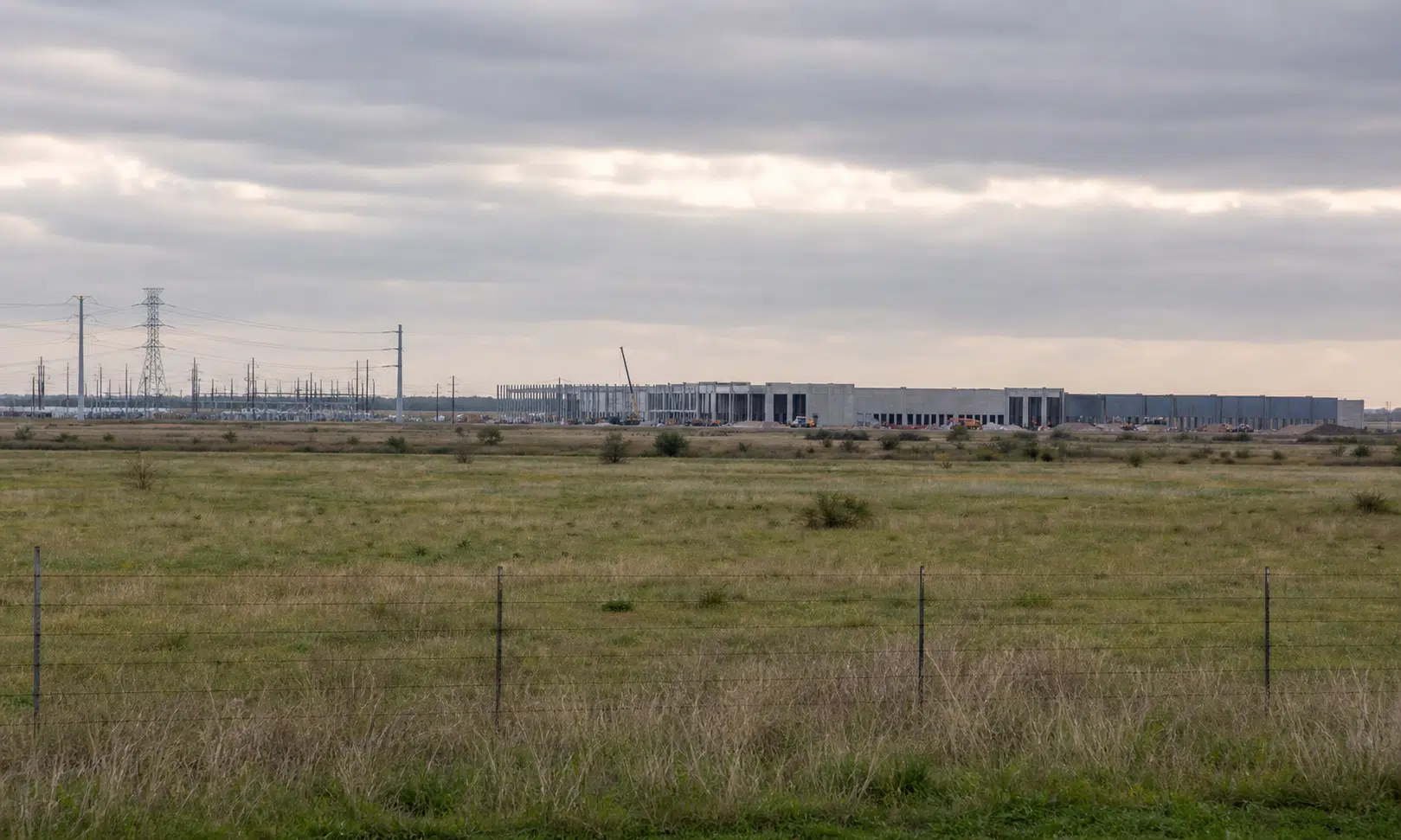

A land-use fight in Taylor, Texas is drawing attention because of what residents say the property was supposed to become: community parkland.
The dispute centers on roughly 87 acres that, according to the account in the original report, were transferred in 1999 for a nominal $10 with deed language calling for future park use. Decades later, the same land was reportedly sold for $10 million to a data center developer, turning a local property issue into a broader argument over development, zoning, tax revenue and whether an old deed restriction still matters.
The key facts in the dispute have not all been independently verified here, so the case is best understood as a reported conflict between residents, local officials and a developer. What is clear from the source material is that nearby residents object to the project, while city-side arguments described in the report emphasize zoning limits and expected public revenue.
How the Taylor land dispute developed
The original report describes a chain of transfers beginning in July 1999, when farmer Mr. Bland granted the land to the Texas Parks and Recreation Foundation for $10. The deed language cited in the source reportedly said the land was to be held in trust for future use as parkland.
From there, the land allegedly moved through nonprofit and municipal hands before ending up with the Taylor Economic Development Corporation. In 2025, the property was reportedly sold to Blueprint for $10 million for a planned data center project.
| Year | Reported event |
|---|---|
| 1999 | Land reportedly transferred for $10 with parkland language in the deed. |
| 2003 | The property was reportedly transferred to the Williamson County Park Foundation. |
| 2003 | The land was reportedly given to the City of Taylor about a month later. |
| 2008 | The City of Taylor reportedly sold the property to the Taylor Economic Development Corporation for $15,000. |
| 2025 | TEDC reportedly sold the land to Blueprint for $10 million. |
That timeline matters because residents are not only objecting to the presence of a data center near homes. They are also arguing over the purpose of the land itself. If the deed language is enforceable in the way opponents believe, the project becomes more than a routine zoning fight.
Why residents are objecting
The original report focuses heavily on Pamela Griffin, a longtime local resident who said her family had a personal history with the land. Her recollections, including comments attributed to Bland about wanting children to have somewhere to play, should be treated as reported personal testimony rather than independently confirmed fact.
Residents described in the source raised concerns about noise, water use, electricity infrastructure, air impacts and the effect a large data center could have on nearby homes. The project was described as a 135,000-square-foot data center, though that figure has not been independently verified here.
The report also says residents were told that measures such as a barrier wall, landscaping, closed-loop water cooling and a dedicated power substation had been discussed. Those mitigation details should be read as reported project responses, not as confirmed final conditions.
The city’s position, as reported
According to the source, Taylor officials have framed the issue partly around zoning authority. The report says the property sits in an Employment Center zoning area, which may limit how much the city can do to block the development based on use alone. The same account says the city may be able to regulate aspects of form rather than function.
That distinction is important for residents trying to stop the project. A city may have more room to shape site plans, traffic access, screening, building standards or permitting conditions than to reject a permitted use outright, depending on the zoning rules in place. The source also says the developer had not yet secured planning and building permits at the time described.
The financial argument is also central. The source reports that the city expects roughly $30 million in additional tax revenue over the next decade, with about $20 million associated with the school district. Those numbers are presented here only as reported estimates, not independently verified projections.
The legal fight is not over
The original article says residents have already faced legal setbacks and that Griffin and family members planned to appeal to the Third Court of Appeals in Austin, Texas. That appeal timeline has not been independently confirmed here, but it reflects the next step described in the source material.
For now, the dispute sits at the intersection of three questions. First, whether deed language from 1999 can still control what happens to the property. Second, whether Taylor’s zoning rules leave the city with limited power to block the proposed development. Third, whether the promised tax benefit outweighs the concerns of nearby residents who expected parkland, not industrial-scale infrastructure.
The result matters beyond one Texas town. Data centers are expanding quickly, and projects often arrive with promises of tax revenue, infrastructure investment and limited direct employment. Communities, meanwhile, are increasingly asking where these facilities belong, how close they should be to homes, and what happens when old land-use expectations collide with new development pressure.