


China’s latest Tianzhou cargo spacecraft has reached the Tiangong space station, adding another supply run to the country’s growing human spaceflight program.
Tianzhou 10 launched from the Wenchang Space Launch Site on Hainan Island aboard a Long March 7 rocket on May 11, 2026, Beijing time. After reaching orbit, the uncrewed freighter continued toward China’s three-module station and docked with the orbital complex several hours later.
The mission matters less for spectacle than for logistics. Space stations depend on steady deliveries of food, equipment, replacement parts, science payloads and propellant. Tianzhou 10 is part of that routine, but it also shows how China is keeping Tiangong supplied as the station moves deeper into long-term operations.
What Tianzhou 10 Brought to Orbit
Chinese state media and space program updates described Tianzhou 10 as carrying roughly 6.3 metric tons, or close to seven U.S. tons, of cargo for Tiangong. That reported manifest has not been independently verified in full, but the broad categories are consistent with what a station resupply flight is expected to deliver.
The shipment was reported to include living supplies for future crews, equipment for station maintenance, propellant, scientific experiment materials and a new extravehicular spacesuit. The mission also reportedly carried more than 220 separate cargo items, though the item count and exact mass breakdown come from Chinese state-linked reporting.
| Reported cargo category | Why it matters |
|---|---|
| Crew supplies | Supports astronauts during long-duration station stays. |
| Propellant | Helps maintain station operations and orbital management. |
| Scientific payloads | Adds materials and hardware for experiments in orbit. |
| Maintenance items | Provides replacement parts and tools for station systems. |
| Spacesuit hardware | Supports future extravehicular activity planning. |
One notable reported item is a new spacewalking suit. Earlier reporting said two related suits arrived on Tianzhou 9, and Tianzhou 10 carried another suit, but those details should be read as official-program reporting rather than independently confirmed inventory.
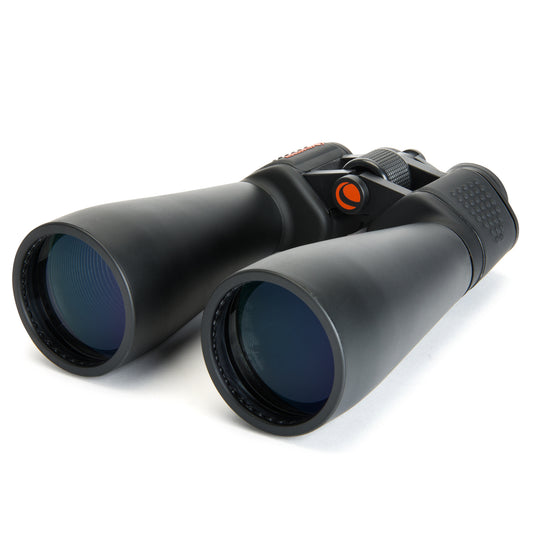
Celestron SkyMaster 15×70 Astronomy Binoculars
Large-aperture binoculars are a practical first step for readers who want to observe satellites, bright planets and the Moon without setting up a full telescope. A tripod is helpful for steadier views with this size.
As an Amazon Associate I earn from qualifying purchases.
Why Cargo Flights Are Central to Tiangong
Tiangong is not a launch-and-forget spacecraft. It is a working orbital facility, and every crew rotation depends on a supply chain. Cargo vehicles bring up the materials astronauts need to live, keep systems running and continue research without waiting for the next crewed spacecraft.
Tianzhou vehicles also give the program flexibility. A cargo craft can deliver bulky supplies, dock without a crew on board and later be used to dispose of station waste before reentry. Tianzhou freighters are generally treated as expendable spacecraft, with disposal through atmospheric reentry at the end of their missions, though the precise timeline for any one vehicle depends on station operations.
That role makes Tianzhou less glamorous than a crew launch but just as important to the station’s day-to-day work. The arrival of Tianzhou 10 clears the way for the current and future crews to unpack supplies, transfer experiment hardware and prepare for the next phase of onboard activity.
A Quick Look at the Tianzhou Program
Tianzhou, often translated as “Heavenly Vessel” or “Celestial Vessel,” is China’s cargo spacecraft line for station support. The first Tianzhou mission flew before the current Tiangong station was assembled, linking up with the earlier Tiangong 2 space laboratory in 2017.
China began building the current Tiangong station in 2021 with the launch of the Tianhe core module. The Wentian and Mengtian modules followed in 2022, completing the basic T-shaped three-module structure that now serves as China’s main crewed outpost in low Earth orbit.
Tianzhou 10, as its name indicates, is part of the tenth numbered Tianzhou mission series. That numbering is straightforward, but the mission’s importance is operational: it keeps the station stocked while China continues regular crewed flights and station research.
The Crew Waiting on the Delivery
Tiangong normally hosts three astronauts at a time. The source report identified Zhang Lu, Wu Fei and Zhang Hongzhang as the crew aboard the station when Tianzhou 10 arrived, but that specific crew-status claim should be treated cautiously unless checked against current China Manned Space Agency updates.
For the astronauts aboard, a cargo arrival is a practical event. Once the spacecraft is cleared for access, crew members move supplies into the station, organize experiment equipment, remove packaging and begin preparing waste or no-longer-needed items for eventual disposal.
That work can be time-consuming, but it is the quiet machinery behind every station mission. Fresh cargo expands what a crew can do, especially when the shipment includes replacement hardware, science materials and equipment tied to future spacewalks.
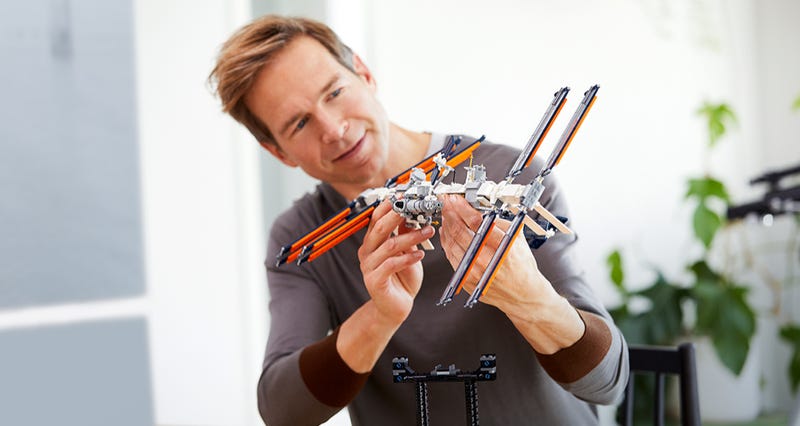
LEGO Ideas International Space Station Model
A station model gives readers a hands-on way to visualize modules, solar arrays, docking points and spacewalk activity after reading about Tiangong resupply operations.
As an Amazon Associate I earn from qualifying purchases.
What This Mission Signals
Tianzhou 10 is another sign that Tiangong is operating as a sustained platform rather than a short demonstration project. China has moved from assembly to routine use, and routine use requires dependable launch vehicles, cargo craft, docking procedures and crew handovers.
The Long March 7 remains the workhorse for Tianzhou cargo launches from Wenchang. The launch site’s coastal location supports these larger missions, and the rocket-cargo pairing has become a familiar part of China’s station cadence.
For space industry watchers, the broader takeaway is logistical maturity. A space station is only as useful as the transportation system around it. Tianzhou 10’s arrival adds another data point showing that China can keep Tiangong supplied while continuing experiments, maintenance and crew operations in orbit.
Bottom Line
Tianzhou 10’s delivery is not just a cargo drop. It is part of the operating rhythm that keeps China’s Tiangong space station alive and productive.
The reported haul includes supplies, propellant, science equipment, maintenance items and spacesuit hardware. Some of the exact inventory details come from Chinese state-linked reporting and should be treated as official claims rather than independently verified public data. Even with that caveat, the mission’s core significance is clear: Tiangong’s long-term presence in orbit depends on flights like this one.