

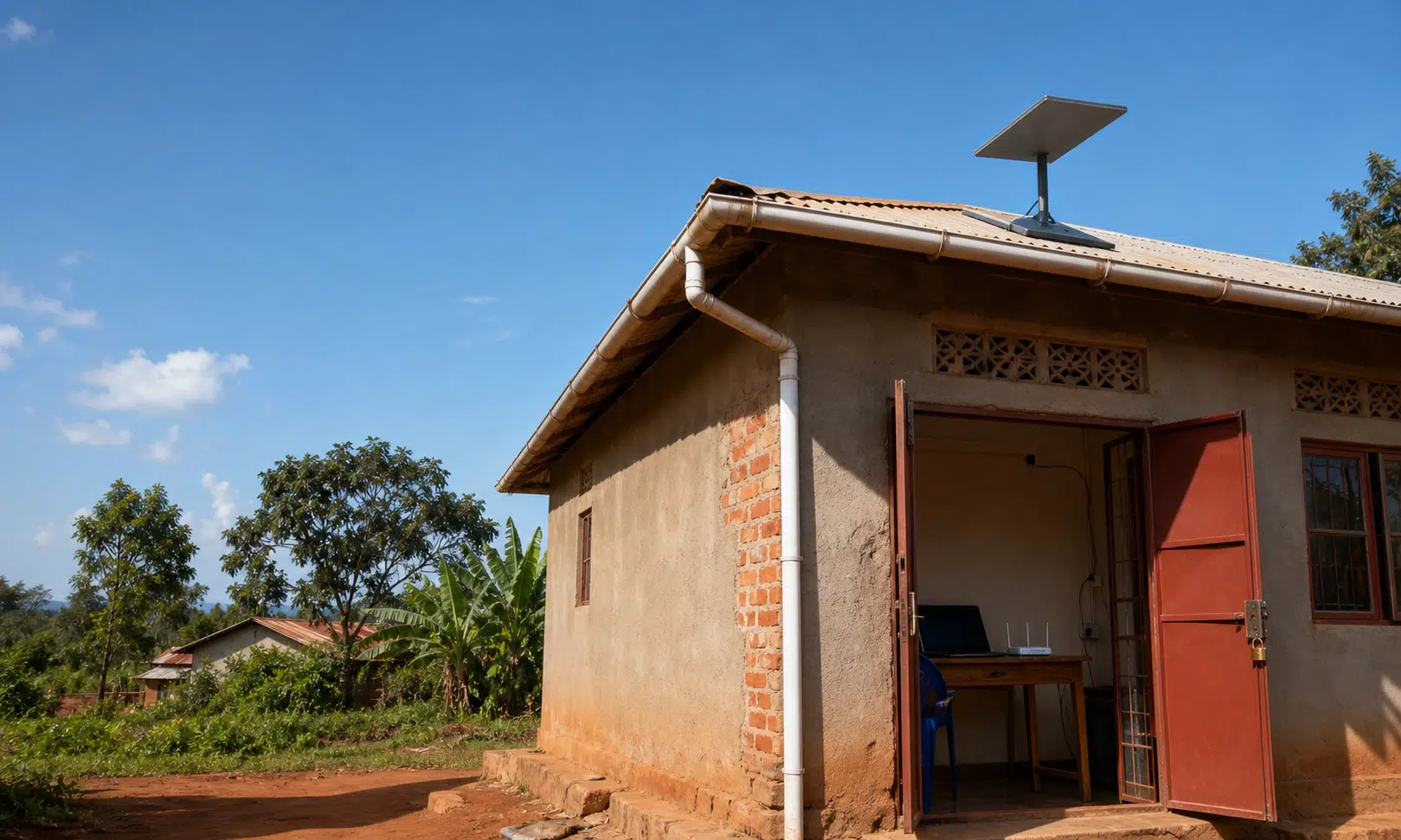

Uganda has granted Starlink an operating licence, clearing a major regulatory barrier for Elon Musk’s satellite internet company and opening the way for it to provide services in the country.
President Yoweri Museveni said he had presided over the signing of an operational licence agreement between the Uganda Communications Commission and Starlink. The approval followed Starlink’s agreement to comply with Uganda’s legal and regulatory requirements before launching service.
For Ugandan households, small businesses, remote workers, and organizations outside reliable fibre or mobile broadband coverage, the decision matters because it could add another internet option in a market where many users complain about high costs and inconsistent service.
What Uganda’s Starlink Approval Means
The licence allows Starlink to begin offering satellite internet services in Uganda, subject to the country’s communications rules. It also marks a shift from the earlier position, when authorities restricted the importation and customs clearance of Starlink equipment and related communication devices.
That restriction reflected a period of uncertainty over whether the service could legally operate in the country. With the licence now signed, the immediate regulatory question has moved from whether Starlink can enter Uganda to how quickly service, equipment distribution, installation, and support can become available to buyers.
Starlink has promoted satellite internet as a way to reach areas where fixed broadband infrastructure is limited or unreliable. In Uganda, that use case is especially relevant for rural homes, farms, schools, clinics, lodges, field offices, and businesses that cannot depend on fibre connections.

850VA 230V UPS for Router Backup Power
A small 230V UPS can help keep a satellite internet setup online through brief power cuts. Check the total wattage of the dish, router, and any network gear before choosing capacity.
As an Amazon Associate I earn from qualifying purchases.
Buyer Checklist Before Choosing Starlink
The licence is an important step, but it should not be treated as an automatic reason to switch immediately. Buyers still need to compare Starlink against existing mobile, fibre, and wireless internet options based on their own location, budget, and reliability needs.
Key questions to ask before buying include:
- Is Starlink officially available at your exact location in Uganda?
- What is the upfront equipment cost, and how does it compare with your current setup?
- What monthly service plan is offered locally, and is it affordable for long-term use?
- Will the dish have a clear view of the sky where you plan to install it?
- What local customer support, warranty, or replacement process is available?
- Do you need backup power to keep the service running during outages?
For buyers who mainly browse, use social media, or stream occasionally in an area with good mobile coverage, a cheaper mobile or fixed wireless plan may still make more sense. For buyers who need more dependable connectivity in a poorly served location, Starlink could become a serious option once pricing and availability are clear.
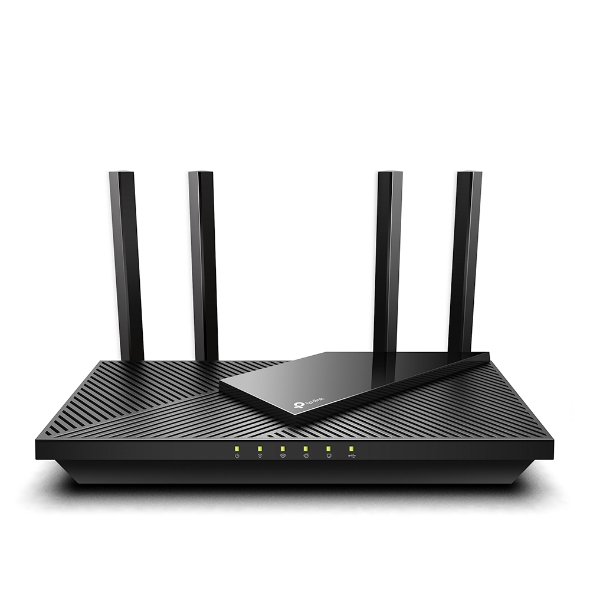
Wi-Fi 6 Router For Home Coverage
A separate Wi-Fi 6 router can help spread the connection across more rooms or devices, especially in a home office or small business. Confirm compatibility with the Starlink hardware and the local power adapter before buying.
As an Amazon Associate I earn from qualifying purchases.
How Starlink Compares With Local Internet Options
The source information does not provide Uganda-specific Starlink prices, speeds, or plan details, so buyers should avoid relying on assumptions from other countries. What can be compared now is the likely decision framework.
| Option | Best fit | Main tradeoff |
|---|---|---|
| Starlink satellite internet | Locations with weak fixed broadband or unreliable mobile internet | Equipment cost and local service terms still matter |
| Mobile data | Light use, portability, and areas with strong network coverage | Can become expensive or inconsistent for heavy use |
| Fibre or fixed broadband | Urban homes and offices with existing infrastructure | Limited availability outside covered areas |
| Fixed wireless | Homes or businesses near provider coverage zones | Performance depends on local network quality and congestion |
This is where Starlink’s value proposition is most practical: it is less about replacing every internet plan and more about serving places where traditional networks have not delivered consistent access.
Regulatory And Cost Questions Remain
Starlink’s expansion across Africa has drawn attention because satellite internet can bypass some of the infrastructure gaps that make broadband difficult to deploy. The company had expanded to multiple African markets by late 2025, and Uganda now joins the list of countries where it has received approval to operate.
Still, rollout conditions vary by country. Regulatory approvals, device imports, foreign exchange pressures, installation costs, and the position of existing telecom operators may affect how quickly customers can access the service and how affordable it becomes. These issues have affected Starlink’s African rollout in some markets, although the exact impact in Uganda will depend on local implementation.
South Africa remains one of the more visible examples of regulatory friction, where Starlink has not launched because of disputes tied to Black Economic Empowerment rules requiring licensed telecom firms to meet local ownership thresholds.
Who Should Watch Starlink Uganda Closely?
Starlink is most worth watching for buyers who have a clear connectivity problem that current providers have not solved. That includes people running online businesses, remote work setups, education services, health facilities, tourism operations, and field offices in areas where network quality is unreliable.
It may be less urgent for users in well-covered urban areas who already have stable, reasonably priced fibre or mobile broadband. For them, the better approach is to wait for official Uganda pricing, equipment availability, installation requirements, and customer support details before making a decision.
Uganda’s approval does not answer every buyer question, but it does change the market. Starlink now has the regulatory green light to operate, and internet users have a new option to evaluate as service details become clearer.