

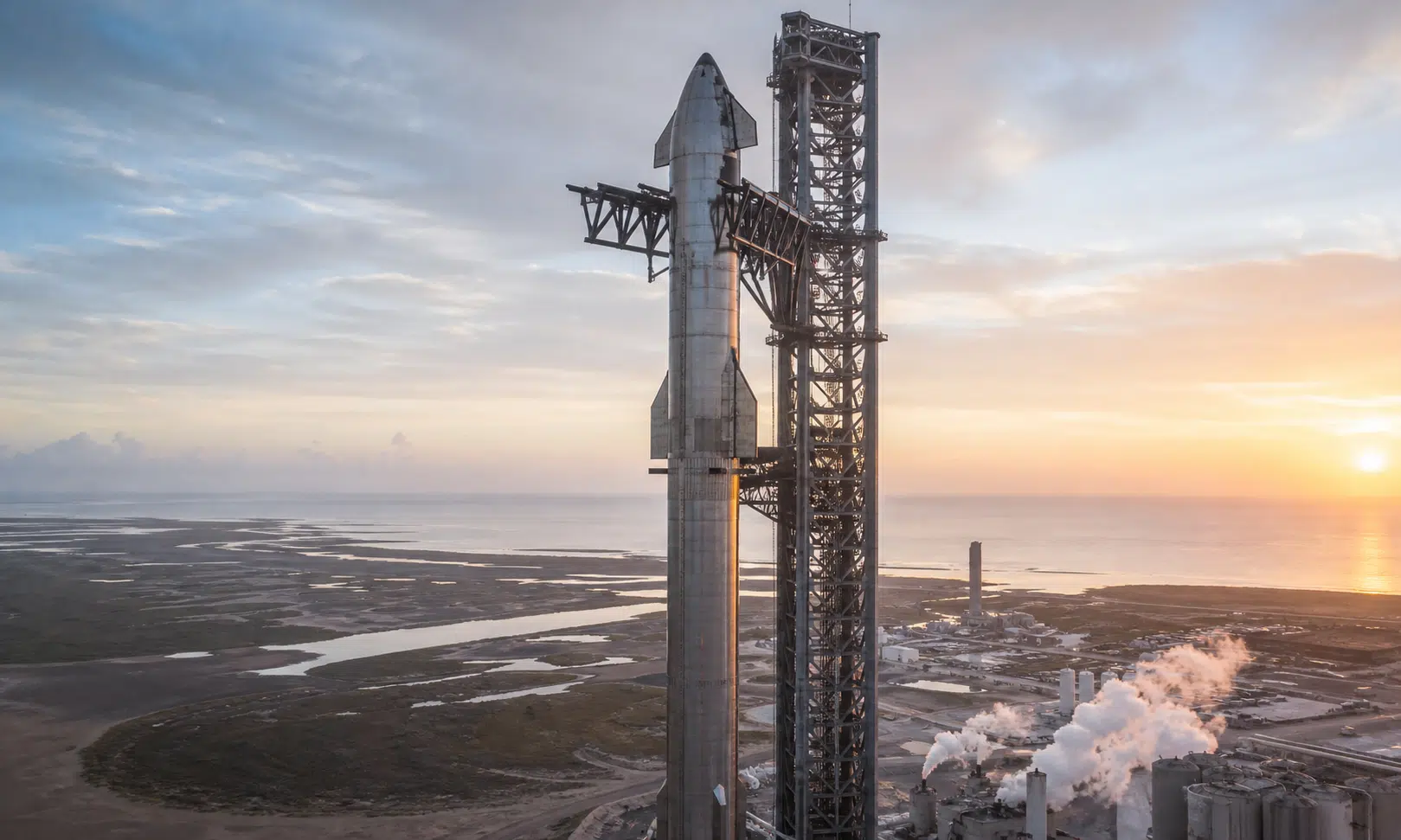

SpaceX is preparing for the next major test of Starship, and Flight 12 is not just another repeat of the company’s familiar high-altitude launch routine. It is expected to be the first flight of the redesigned Starship V3 system, a larger and more capable version of the vehicle SpaceX wants to turn into a fully reusable heavy-lift rocket.
The mission is currently aimed for no earlier than Thursday evening, May 21, from SpaceX’s Starbase site in South Texas. Because Starship test schedules can move quickly, the exact launch time should be treated as provisional until SpaceX begins its official countdown coverage.
For viewers, Flight 12 is a useful comparison point: it puts the new V3 hardware against the earlier Starship test program and should show how much SpaceX has changed after months away from flight. For NASA and commercial customers, the stakes are broader. Starship is tied to SpaceX’s plans for Starlink deployment, future large-payload missions and NASA’s Artemis lunar landing architecture.
What Starship Flight 12 Is Expected to Test
Flight 12 is planned as a suborbital test rather than a full operational mission. The basic profile should look familiar to anyone who watched recent Starship flights: Super Heavy launches the full stack from Starbase, the upper-stage Starship separates and continues downrange, and both stages target controlled water landings rather than recovery at the launch site.
The Starship upper stage is expected to fly partway around the planet before splashing down in the Indian Ocean. The Super Heavy booster is expected to return toward the Gulf of Mexico for its own controlled splashdown. Those water landings let SpaceX test guidance, thermal protection, engine relight behavior and descent control without attempting a catch at the tower.
That matters because tower catches are central to SpaceX’s long-term reusability plan. The company has already demonstrated Super Heavy catches on earlier flights, but Flight 12 appears focused on proving the new V3 vehicle rather than pushing immediately to recover both stages at Starbase.
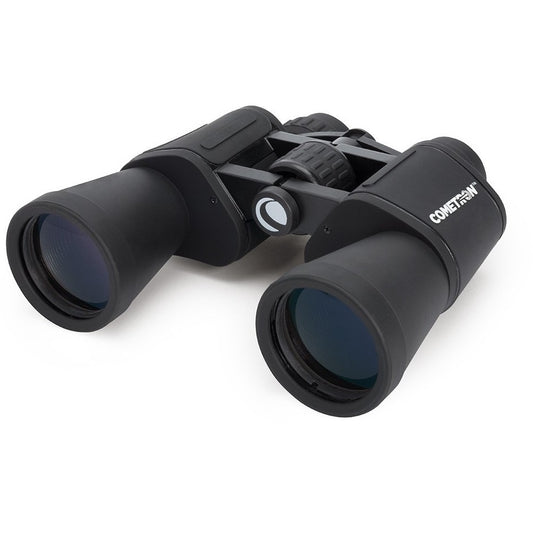
Celestron Cometron 7×50 Binoculars
A simple 7×50 binocular can make distant launch-site activity easier to follow from public viewing areas. This style is also useful for casual night-sky viewing after the launch window closes.
As an Amazon Associate I earn from qualifying purchases.
The mission is also expected to include payload-deployment practice using dummy Starlink-type satellites. These are not operational satellites, but they give SpaceX a way to test door mechanisms, deployment sequencing and vehicle behavior during a more realistic mission profile.
Starship V3 vs Earlier Starship Vehicles
The main reason Flight 12 is getting so much attention is the V3 hardware. SpaceX has spent the gap since the previous Starship flight redesigning major parts of the system, including the ship, booster, engines and launch infrastructure.
The new vehicle is meant to be a step toward higher flight rates, heavier payloads and more repeatable operations. That does not mean Flight 12 has to accomplish everything at once. The first V3 flight is more likely to be judged by whether the new system clears the pad cleanly, stages properly, maintains control through flight and returns enough useful data for the next test.
| Area | What Flight 12 Helps Compare | Why It Matters |
|---|---|---|
| Vehicle version | First expected V3 flight after earlier Starship designs | Shows whether the redesign is ready for flight testing |
| Booster behavior | Controlled descent and splashdown instead of a tower catch | Reduces recovery risk while testing the new booster |
| Upper-stage performance | Suborbital flight with Indian Ocean splashdown | Tests ship control, heat shielding and reentry data collection |
| Payload practice | Dummy Starlink-style deployment | Moves Starship closer to practical satellite-delivery missions |
| Launch operations | Use of Starbase infrastructure and preflight rehearsals | Tests the ground systems needed for repeat launches |
Launch Timing and How to Watch
SpaceX’s target has shifted during the week, which is common for Starship test flights. The mission was initially associated with earlier launch opportunities before moving to a no-earlier-than Thursday, May 21 target.
A firm minute-by-minute countdown should not be assumed until SpaceX confirms it close to launch. The company typically begins its webcast before liftoff, giving viewers time to follow propellant loading, final checks and any countdown holds.
For practical viewing, the most useful approach is to watch for three things:
- SpaceX’s official webcast start time, which usually begins before liftoff rather than exactly at launch.
- The opening and closing of the launch window, since Starship flights can move within that window.
- Road, marine and airspace notices around Starbase, which often hint at backup opportunities but do not guarantee a launch.
If you are planning to watch live, treat the schedule as a launch window rather than a single appointment. Starship tests often pause late in the countdown for technical checks, weather reviews or range coordination.
Why This Flight Matters for Artemis and Starlink
Starship is not only a test vehicle. SpaceX wants it to become a reusable transportation system for large payloads, satellite deployment and eventually crewed deep-space missions. NASA is also relying on a Starship-derived lunar lander for its Artemis program.
That makes the V3 debut important even if Flight 12 is not an orbital mission. SpaceX still needs to prove many pieces of the larger architecture, including reliable launches, controlled returns, in-space operations and repeated reuse. Each test flight is a data-gathering step toward that larger system.
For Starlink, the promise is simpler: a working Starship could carry much larger batches of next-generation satellites than Falcon 9. For Artemis, the bar is higher. Lunar missions will require more than a successful launch; they will require refueling, long-duration operations and human-rating work before astronauts rely on the vehicle near the moon.

Celestron Night Vision LED Flashlight
A red night-vision flashlight helps with bags, notes and camera gear without flooding the area with bright white light. It is most useful for readers watching from an outdoor viewing spot.
As an Amazon Associate I earn from qualifying purchases.
Flight 12 will not answer all of those questions. It can, however, show whether the redesigned V3 platform is ready to start answering them.
Key Milestones to Watch During Flight 12
The most important moments will come quickly. Starship launches are visually dramatic, but the engineering story is in the sequence: liftoff, staging, boostback behavior, ship performance, reentry and splashdown.
- Liftoff from Starbase: The first test is whether the full V3 stack clears the pad cleanly and begins its ascent under control.
- Stage separation: Separation between Super Heavy and Ship remains one of the most important early milestones.
- Booster descent: The booster’s controlled return toward the Gulf of Mexico will show how the new hardware behaves after ascent.
- Ship coast and payload demonstration: Any dummy satellite deployment will matter because it points toward practical Starship missions.
- Reentry and splashdown: The ship’s return through the atmosphere will be a key test of structure, control and heat protection.
Bottom Line: Who Should Pay Attention?
Flight 12 is worth watching if you follow SpaceX, NASA’s moon plans, Starlink deployment or the broader future of heavy-lift launch. It is not a routine commercial launch, and it is not expected to recover the full system for reuse. It is a high-value test of a new vehicle design.
For casual viewers, the main draw is simple: Starship V3 is expected to be the biggest and most advanced version of the rocket SpaceX has flown so far. For spaceflight watchers, the more important question is whether the redesign produces cleaner, more controlled performance than earlier test vehicles.
The best outcome for SpaceX would be a complete flight profile, useful payload-deployment data and controlled splashdowns for both stages. Even a partial success could still provide valuable data, but Flight 12 is the first real chance to see whether the V3 architecture is ready to move Starship into its next phase.

National Geographic Little Kids First Big Book of Space
This beginner-friendly space book can help younger readers connect a Starship test flight with broader topics like the moon, planets and spacecraft. It fits best for families following the launch together.
As an Amazon Associate I earn from qualifying purchases.