


Chrome’s long-running move to Manifest V3 is turning into a practical problem for people who rely on ad blockers. The short version: older Manifest V2 extensions are being pushed out of Chrome’s future, and that could make some familiar blocking tools behave differently, require replacement, or lose capabilities users have come to expect.
That does not mean every ad blocker disappears overnight. It also does not mean Chrome users are out of options. But it does mean the browser’s extension rules are changing in a way that matters if your current setup depends on older Manifest V2 behavior.
What Manifest V3 changes for ad blockers
Manifest V3 is Google’s newer extension framework for Chrome. It is designed around tighter limits on what browser extensions can do, with Google framing the shift around security, privacy, and performance. For ad blockers, the important part is that the model changes how extensions handle filtering.
Many classic ad blockers have relied on more flexible ways to inspect and block web requests. Manifest V3 pushes extensions toward a more constrained rules-based system. That can still block ads, trackers, and other unwanted elements, but it may not give every extension the same room to react dynamically.
The practical result is that Chrome users should check whether their ad blocker already has a Manifest V3-compatible version. Some popular tools have moved in that direction, while others may work differently than longtime users remember. A firm timeline for every remaining Manifest V2 cutoff has not been publicly confirmed, so the useful move is not panic; it is checking your extension status before it becomes a problem.
Your options if your current blocker stops working
If your ad blocker is affected, the cleanest first step is to look for a Manifest V3-compatible version from the same developer. That keeps the experience familiar and avoids installing random lookalike extensions with similar names.
If that does not work, there are a few paths worth considering:
- Try a Manifest V3-compatible ad blocker from the Chrome Web Store and compare how it handles the sites you visit most.
- Switch to a browser that continues to support a broader extension model, such as Firefox.
- Use a VPN or security suite with DNS-level or network-level ad blocking, especially if you want coverage beyond a single browser.
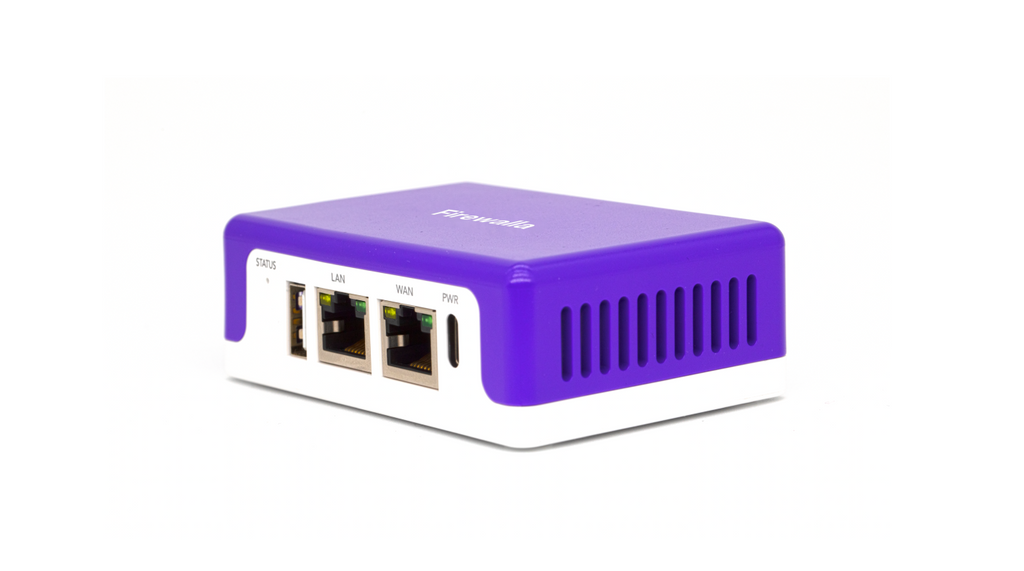
Firewalla Purple SE Network Firewall
Firewalla Purple SE is a compact network firewall with built-in ad blocking, DNS privacy tools, and VPN server/client support. It is best suited for readers who want filtering and network visibility across more than one browser or device.
As an Amazon Associate I earn from qualifying purchases.
A VPN with ad-blocking features is not a perfect replacement for a browser extension. It may help reduce some ads and trackers across apps or devices, but it will not necessarily remove every on-page ad or cosmetic element the way a dedicated browser blocker can. It also adds a subscription decision, so it makes sense only if you already want broader VPN features.
Firefox remains the obvious escape hatch
For users who want the least compromised version of traditional extension-based blocking, Firefox remains the main alternative to watch. Mozilla has taken a different approach to Manifest V3 support and has been more willing to preserve compatibility for extensions that need capabilities Chrome is limiting.
That does not automatically make Firefox the right browser for everyone. Chrome still has the advantage of deep Google account integration, broad extension availability, and familiarity. But if your browser choice is mostly about controlling ads, trackers, and extension behavior, Firefox deserves a serious look.
What Chrome users should do next
The best move is to audit your setup before something breaks. Open Chrome’s extensions page, check whether your ad blocker has a Manifest V3-compatible version, and confirm that it still works on the sites where you depend on it most. If the experience gets worse, test one alternative at a time rather than stacking multiple blockers and hoping the combination works.
For most people, this is less about ads disappearing or winning outright and more about control shifting. Chrome’s extension rules are changing, and ad blockers have to adapt inside those rules. Users who care deeply about blocking quality still have options, but they may need to be more deliberate about which browser, extension, or paid privacy tool they choose.