

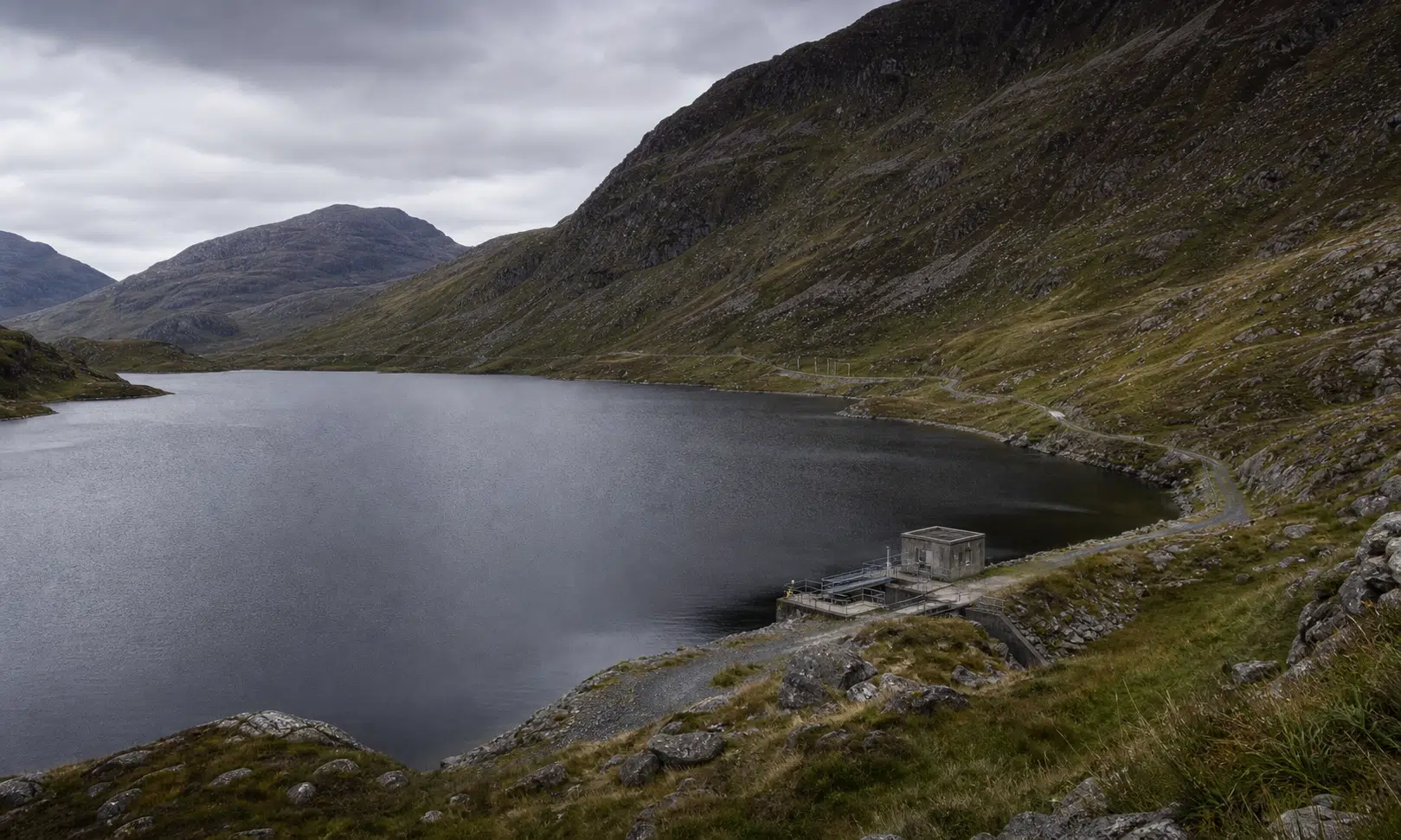

Great Britain’s next big energy-storage buildout is starting to take shape, and pumped hydropower is back in the frame after decades without a major new project.
Ofgem has provisionally approved 16 long-duration electricity storage projects intended to help the grid hold power for eight hours or more. Three of the proposals are pumped storage hydropower projects in Scotland: Loch Kemp from Statera Energy, Coire Glas from SSE, and Earba from Gilkes Energy.
That provisional status does not mean every project is fully built, fully financed, or guaranteed to arrive on a fixed schedule. A firm construction timeline has not been publicly confirmed, and some project-specific details should still be treated as subject to further development. But the list is an important signal: the UK’s grid planning is moving beyond short-duration batteries and toward storage that can cover longer gaps in wind and solar output.
Why Pumped Hydro Is Back In The Conversation
Pumped storage hydro is an old idea with a newly urgent job. The basic model uses electricity to move water uphill when power is plentiful, then releases that water later to generate electricity when the grid needs it. That makes it less a source of new energy than a way to shift energy from one part of the day to another.
The appeal is easy to understand in a power system with more renewables. Wind and solar can produce large amounts of cheap electricity, but not always at the moments when demand is highest. Long-duration storage gives grid operators another tool for smoothing those mismatches without leaning as heavily on gas-fired generation or imported energy.
The Scottish proposals are built around the country’s geography, where lochs and steep terrain can support the reservoir-based layout pumped storage requires. The Loch Kemp project is associated with Loch Ness, Coire Glas with the Loch Lochy area between Fort William and Inverness, and Earba with loch-based storage plans in the Highlands. Those details remain tied to project development and should not be read as final delivery guarantees.
The 16-Project Storage Mix
The provisional approvals cover projects across England, Scotland, and Wales, with a mix of technologies aimed at storing and releasing electricity over longer periods. Lithium-ion batteries are part of the mix, but Ofgem’s list also includes alternatives such as compressed air energy storage and flow battery systems.
Compressed air storage uses surplus electricity to pressurize air, then releases it later to help drive generation equipment. Flow batteries, including vanadium redox systems, use liquid electrolytes rather than the solid-cell structure associated with conventional lithium-ion battery packs. Those technologies are still being scaled in different ways, but their inclusion points to a broader search for grid storage that can last longer than the typical short-duration battery installation.
The practical problem is not whether Britain can generate renewable power. It is whether the grid can store enough of it, for long enough, to make clean electricity more dependable during still, cloudy, hot, or cold periods when output and demand can move in opposite directions.
What This Means For The Grid
The approvals are best understood as an early-stage filter rather than a ribbon-cutting moment. They give selected projects a path into a support framework for long-duration storage, but each project still has to clear the commercial, technical, planning, and construction hurdles that determine whether it reaches operation.
Still, the direction is clear. Britain’s clean-power ambitions need more than wind farms, solar projects, and short bursts of battery backup. They need infrastructure that can absorb excess electricity when renewable output is high and return it when the system is under pressure.
For pumped hydro, that could mean a rare return to large civil engineering in the energy system. For the wider market, it suggests long-duration storage is moving from policy discussion into a more concrete project pipeline.