

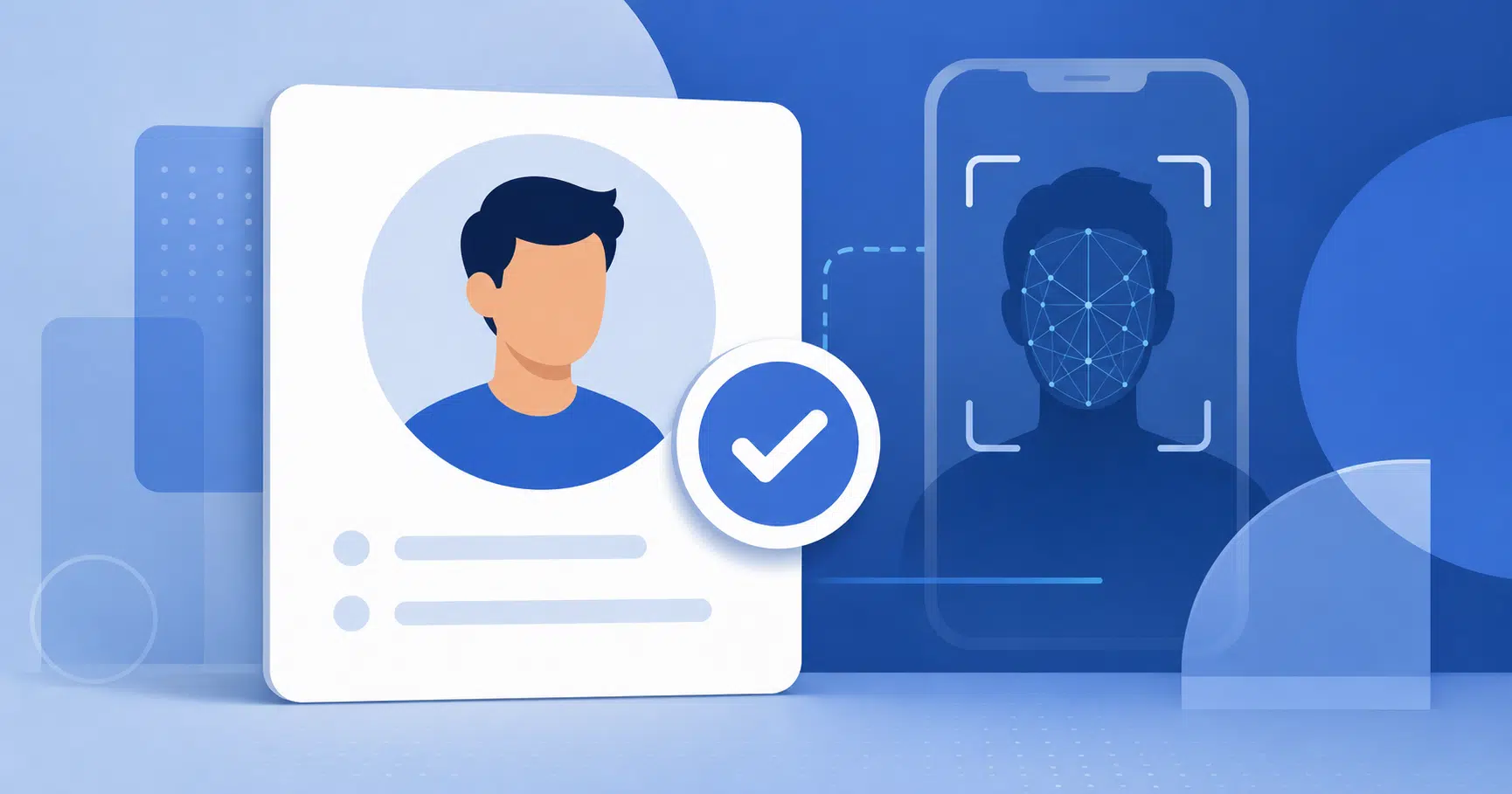

Meta has outlined a Facebook identity-verification badge intended to help people identify accounts that have completed an identity check. Meta is positioning the feature as one response to concerns about convincing fake profiles, including accounts that may use AI-generated images and automated messages.
The company describes a process that would compare a facial-recognition selfie with the photos already associated with a Facebook profile. Meta has suggested that the check should be relatively quick, although the precise experience and processing time have not been independently established.
What Facebook’s identity badge would mean
Under Meta’s proposed system, eligibility would be limited to users over 18 whose accounts are in good standing under Facebook’s community standards. The badge is expected to appear in areas such as Marketplace and Dating, where knowing whether someone has completed an identity check could provide useful context.
Meta characterizes the badge strictly as confirmation that an identity check was completed. It would not amount to an endorsement of the person, certify their claims or guarantee that an interaction is safe. Users would still need to apply the usual Facebook account security precautions, particularly when money or sensitive information is involved.
The company has also presented this identity check as free and separate from the paid Meta Verified subscription. That distinction makes the badge more narrowly focused: it is meant to communicate identity confirmation rather than subscription status or broader account benefits.
Availability remains uncertain
The initial plan excludes Pages and accounts using Facebook’s professional mode. Meta has described a gradual introduction beginning in selected markets, with broader availability intended later. A firm timeline has not been publicly confirmed, so users should not assume the option will appear on every eligible account at the same time.
The usefulness of the badge will ultimately depend on how widely it becomes available and whether people understand its limits. It could make impersonation more difficult in some interactions, but it should not be treated as a substitute for judgment or Facebook’s existing reporting and safety tools.