

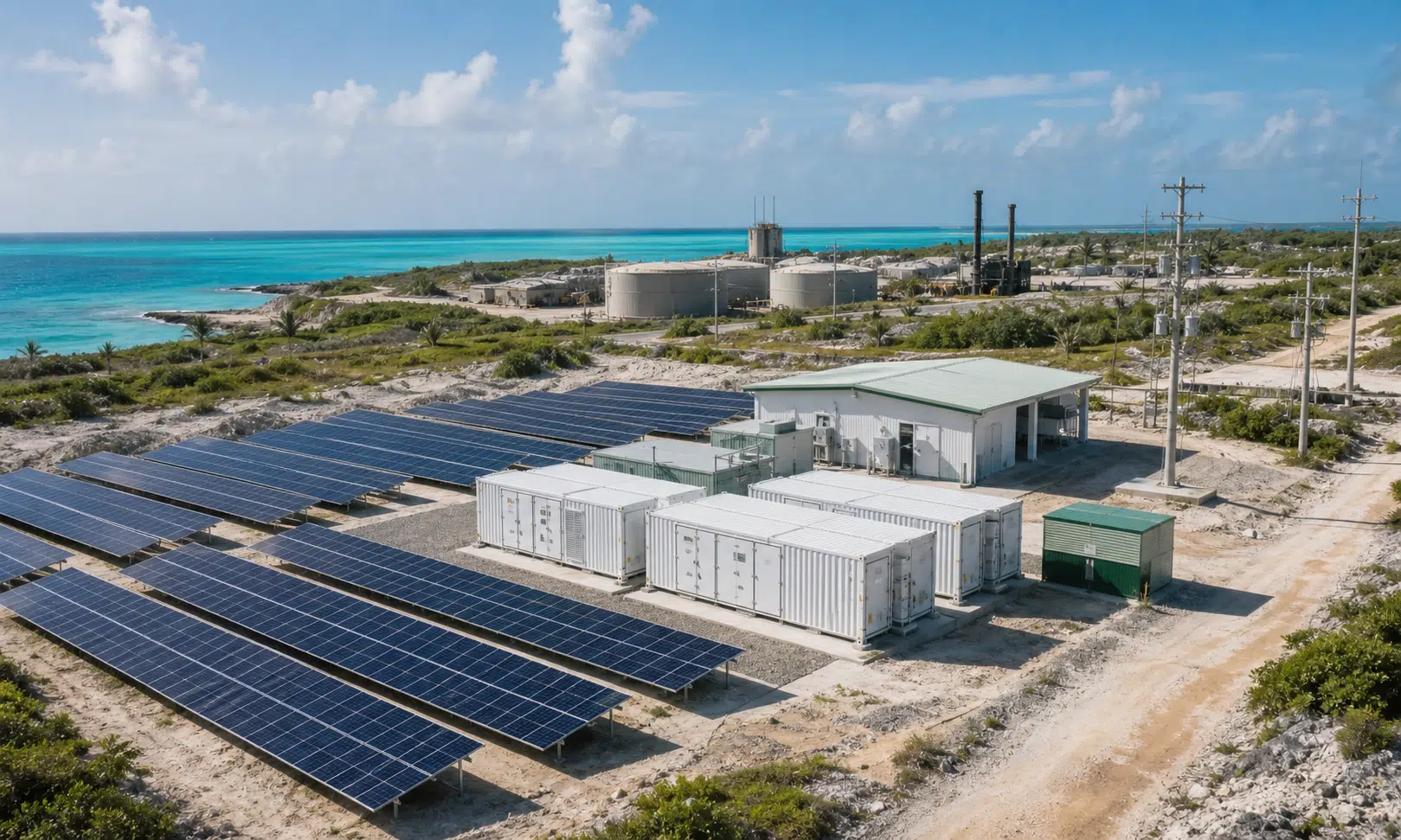

Nauru has taken a formal step toward a larger solar-plus-storage buildout, signing a memorandum of understanding with Sydney-based Smart Commercial Energy for an 18 MW solar and 40 MWh battery project.
The proposal is aimed at reducing the Pacific island nation’s dependence on imported diesel for electricity generation. Nauru is one of the world’s smallest countries by land area, covering about 21 square kilometres in the South Pacific Ocean, roughly 3,300 kilometres northeast of Brisbane and just south of the equator.
The agreement was signed during the Smart Energy Conference and Exhibition 2026 in Sydney. For Nauru, the project is being framed around energy security as much as clean power. For Smart Commercial Energy, it is an unusually large country-level opportunity for a commercial solar and storage provider.
What the Nauru solar and battery proposal includes
The proposed system pairs 18 MW of solar generation with 40 MWh of battery storage. That combination would be significant relative to Nauru’s electricity demand, which Smart Commercial Energy has described as about 40 GWh per year, with a standing load of around 2 MW and peak demand reaching 4.5 MW.
| Project item | Reported figure |
|---|---|
| Solar capacity | 18 MW |
| Battery storage | 40 MWh |
| Annual electricity load | About 40 GWh, according to SCE |
| Standing load | About 2 MW, according to SCE |
| Peak demand | About 4.5 MW, according to SCE |
The scale matters because island power systems often have fewer generation options, tighter fuel logistics and less room for supply disruption than large mainland grids. A solar-plus-storage system cannot be assessed only on headline megawatts; the battery duration, operating strategy and fit with daily demand will determine how much diesel generation can realistically be displaced.
Smart Commercial Energy says Nauru remains heavily reliant on imported diesel, and company materials put annual diesel consumption in the range of 7 million to 8 million litres. That figure has not been independently verified here, but it gives a sense of the commercial problem the project is intended to address: fuel must be purchased, shipped, stored and converted into electricity for a small and isolated grid.
Why a PPA structure is being considered
The project is being explored as a commercial power purchase agreement, or PPA. Under the model described by Smart Commercial Energy, SCE would fund, build and operate the solar and battery system, while Nauru would buy power from the project rather than paying the full upfront capital cost.
The proposed arrangement also includes the possibility that the government and people of Nauru could eventually buy out the infrastructure and take ownership. That detail is important because it separates short-term project delivery from long-term asset control.
For a small island nation, a PPA-style structure can be attractive because it may reduce the initial fiscal burden of a major energy project. It also places construction, operating and performance responsibilities with the project provider, at least during the contracted period. The trade-off is that the buyer must be comfortable with the contract term, tariff structure, performance obligations and buyout conditions.
For buyers evaluating similar solar-plus-storage PPAs, the key commercial questions usually sit around:
- How much diesel or grid power the system is expected to offset under real operating conditions
- Who carries performance risk if generation or storage output falls below expectations
- How battery cycling, maintenance and replacement are handled over the contract life
- Whether the power price is fixed, indexed or otherwise adjusted over time
- What the buyout path looks like if the host wants to own the asset later
Those details were not disclosed in the announcement, so the MoU should be read as an early project milestone rather than a final investment decision or completed construction contract.
Energy security is the central issue
Smart Commercial Energy Managing Director and Chief Executive Officer Huon Hoogesteger said Pacific energy systems face specific challenges around diesel dependence and security of supply. He also described the agreement with Nauru as an unusual milestone for the company, noting that signing an MoU with an entire country is not an everyday event.
That point is more than a sound bite. In isolated grids, diesel dependence creates exposure to fuel price movements, shipping schedules, port constraints and storage capacity. Even when generation equipment is available, the power system remains tied to a fuel supply chain that can be expensive and vulnerable to disruption.
Solar-plus-storage can reduce that exposure, but it must be engineered around the island’s actual demand profile. A battery can shift daytime solar into evening and night-time demand, help smooth solar output, and support grid stability. Its value depends on controls, reserve requirements, depth of discharge, replacement planning and how it is dispatched alongside any remaining diesel generation.
What happens next
The announcement confirms a memorandum of understanding, not a completed project. The next phase will likely determine whether the proposal can move from concept into bankable project documentation, including technical design, land and grid arrangements, commercial terms and government approvals.
For Nauru, the project’s appeal is clear: a relatively large solar and battery system could reduce imported fuel exposure and improve the economics of electricity supply if delivered on workable terms. For Smart Commercial Energy, the proposal would extend its commercial solar and PPA model into a country-scale island energy project.
The most important detail for buyers and observers is that the project is still being explored. The announced figures of 18 MW of solar and 40 MWh of storage set the scale of ambition, but the practical impact will depend on final contract terms, financing, system design and operating performance once the project moves beyond the MoU stage.