


The often repeated estimate that a plastic water bottle can take about 450 years to decompose is best treated as a warning, not as a stopwatch. PET plastic bottles have not existed long enough for anyone to watch one fully break down in the natural environment, and exact timelines depend on heat, sunlight, abrasion, water, burial, and other conditions.
Still, the practical point is hard to ignore: a single-use bottle can remain in the environment for far longer than the few minutes or hours it is used. Over time, it may become brittle, crack, fragment, and disperse into smaller pieces rather than disappear in the way food waste, paper, or untreated plant matter can.
For shoppers, that changes the buying decision. Bottled water is convenient, portable, and useful in emergencies. But when it becomes an everyday default, the hidden cost is a steady stream of plastic waste that is difficult to recover once it leaves controlled disposal or recycling systems.
The Verdict: Bottled Water Is Convenient, But The Waste Tradeoff Is Real
A plastic water bottle is not a bad object because it exists. It solves real problems: safe water on the move, lightweight packaging, long-distance distribution, disaster response, and sealed portions for places where plumbing or refill access is limited.
The problem is routine use at massive scale. A bottle that is designed for one drink can persist as waste for generations. Even when the exact 450-year figure is uncertain, the underlying buyer lesson is clear enough: if you use bottled water daily, switching even part of that habit to a refillable setup can cut a large amount of single-use plastic from your own waste stream.
That does not mean every household should make the same choice. Someone who lives in an area with unreliable tap water may need bottled water as a safety measure. Someone with good tap water, easy refill access, and a normal commute has more practical alternatives.
| Use case | Practical choice | Waste tradeoff |
|---|---|---|
| Emergency supply | Sealed bottled water | Useful when stored responsibly and rotated as needed |
| Daily home drinking | Tap water, filter pitcher, or under-sink filter where appropriate | Can sharply reduce single-use bottles |
| Commuting and workouts | Reusable bottle filled before leaving | Requires cleaning and planning |
| Travel or uncertain water access | Bottled water may be necessary | Best treated as situational, not automatic |
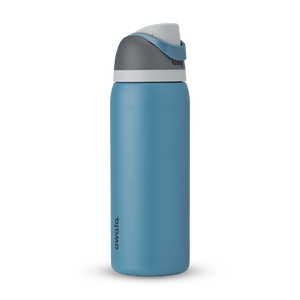
Owala FreeSip Insulated Water Bottle
A leak-resistant insulated bottle can make refilling before work, school, or workouts easier to maintain. Look for a size that fits your bag or cup holder and a lid design you will actually clean.
As an Amazon Associate I earn from qualifying purchases.
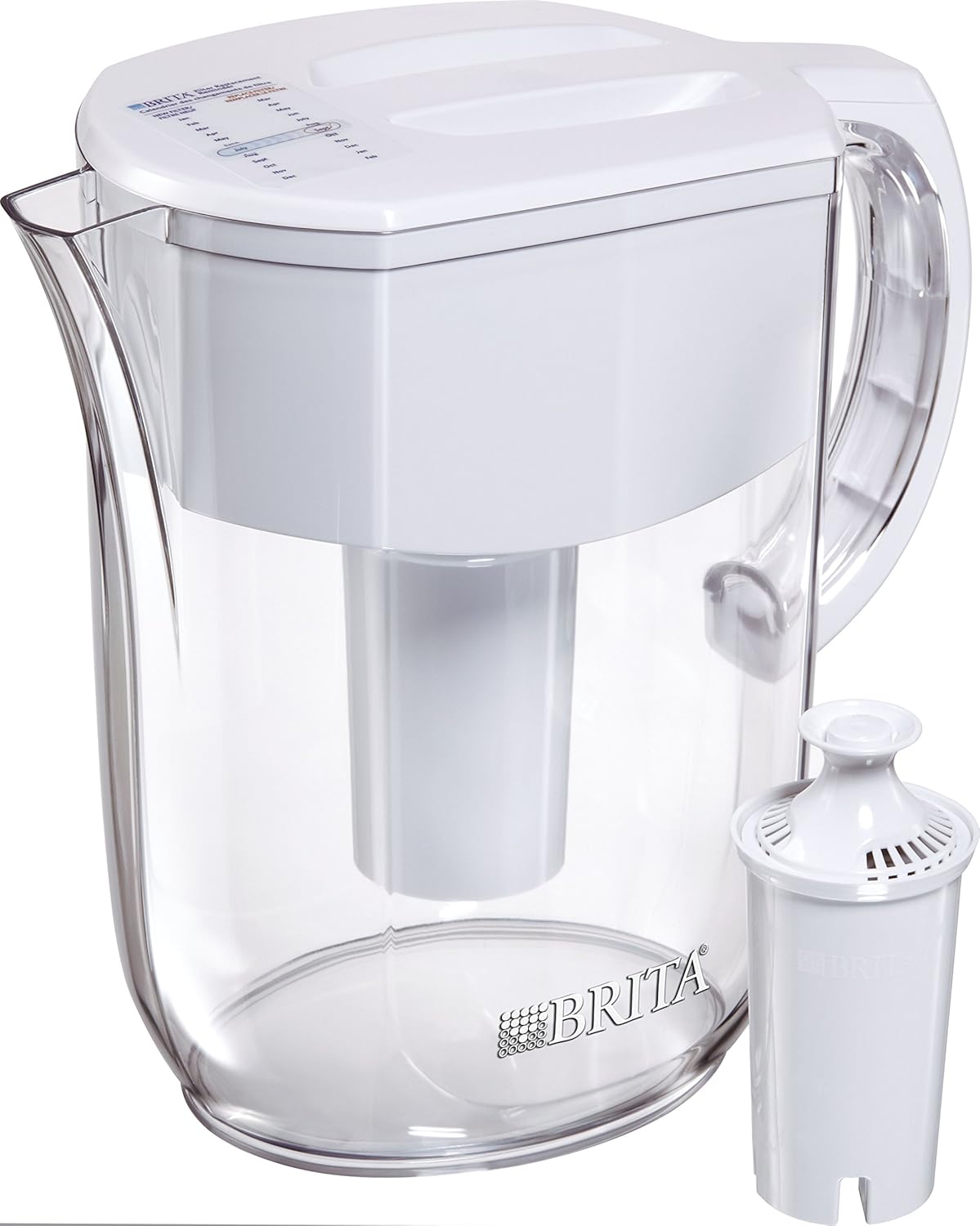
Brita Everyday Water Filter Pitcher
A countertop or refrigerator pitcher is a simple first step if taste or odor is the main reason you buy bottled water. Check filter compatibility and replacement timing before choosing one.
As an Amazon Associate I earn from qualifying purchases.

Brita Standard Replacement Filters
A filter pitcher only helps if the filters are replaced on time. Keeping compatible replacement filters on hand makes the lower-waste habit easier to maintain.
As an Amazon Associate I earn from qualifying purchases.
What The 450-Year Estimate Actually Says
The 450-year figure is commonly used for PET water bottle decomposition, but it should be read carefully. It is an estimate based on observed degradation behavior and extrapolation, not a finished real-world measurement of a bottle that has fully decomposed outdoors.
That distinction matters. Plastic bottles produced in the modern PET era have only been around for decades, not centuries. No one can point to a naturally discarded PET water bottle from the 1970s and say with certainty that its full environmental life cycle has been completed.
The safer way to state the issue is this: PET bottles are expected to persist for a very long time under ordinary environmental conditions, and many bottles are likely to fragment long before they fully break down. In practice, the environmental concern is not only the bottle as a visible item of litter. It is also the smaller fragments that can move through water, soil, air, and sediment.
This is why the phrase “decompose” can be misleading. When many people hear it, they imagine a material being consumed by natural processes and returned cleanly to the environment. With plastic, the more immediate process is often fragmentation. The item becomes smaller, easier to scatter, and harder to collect.
Why PET Bottles Persist
PET, short for polyethylene terephthalate, is valued because it is light, clear, strong enough for beverage packaging, and inexpensive to manufacture at scale. Those same properties are also part of the waste problem. The material is designed to hold up during filling, shipping, storage, and handling.
Unlike leaves, food scraps, or untreated natural fibers, synthetic plastic polymers are not readily broken down by the ordinary biological processes people associate with rot or composting. Sunlight, oxygen, heat, and physical abrasion can weaken plastic over time, but that does not mean the material quickly returns to harmless natural components.
A bottle left in open sunlight may age differently from one buried in a landfill. A bottle in moving water may be physically abraded more than one trapped in still sediment. A bottle shaded from ultraviolet light may remain recognizable for longer. This is why any single decomposition number should be treated as approximate.
For a buyer, the uncertainty does not make the problem smaller. If a product may persist for centuries, whether the estimate is 300 years, 450 years, or longer is less important than the broader pattern: single-use plastic creates long-lived waste from a very short-lived consumer moment.
From Bottle To Fragments
A discarded PET bottle does not need to remain bottle-shaped to remain a concern. Over time, weathering can make plastic weaker and more brittle. Movement, sand, waves, tires, machinery, and repeated handling can break larger items into smaller pieces.
Microplastics are commonly described as plastic particles smaller than five millimetres. Nanoplastics are smaller still. The smaller the fragment, the harder it becomes to see, collect, sort, or remove. That is the practical reason environmental scientists and waste managers pay attention to fragmentation as well as visible litter.
The source article describes plastic particles being reported in remote snow, mountain rainfall, deep-ocean water, and trench sediments. Those examples should not be read as proof that any particular bottle traveled to any particular place. They do support a broader conclusion: once plastic fragments become small and mobile, they can move far beyond the place where a product was used or discarded.
That is the difference between a bottle in a bin and plastic in the open environment. A bottle in a controlled waste or recycling stream is at least still reachable. A bottle broken into countless fragments across water, soil, and air is a much harder problem.
What Remote Microplastic Findings Mean
Reports of microplastics in Arctic snow, mountain precipitation, and deep-ocean settings are unsettling because these are not places most people associate with disposable drink packaging. The mechanism is not mysterious: small particles can be transported by air and water, then settle elsewhere.
The source material points to findings from remote Arctic ice, the French Pyrenees, and the Mariana Trench. Exact counts vary by study, sample method, location, and particle definition, so the most responsible takeaway is qualitative rather than theatrical: plastic pollution is not confined to beaches, roadsides, or city drains.
Deep-ocean findings are especially useful for understanding persistence. Material that reaches the seafloor can become part of sediment systems that change slowly. If plastic fragments are present there, cleanup is not a realistic consumer-level option. The better intervention is upstream: use fewer disposable items, keep plastic out of open environments, and improve collection where single-use packaging is still necessary.
How To Decide Whether You Still Need Bottled Water
The best choice depends on why you are buying bottled water in the first place. A practical decision starts with water safety, access, storage, and habit rather than guilt.
- If bottled water is your emergency backup: keep it sealed, stored properly, and use it for that purpose. Emergency readiness is a legitimate use case.
- If bottled water is your daily home drink: check whether your tap water is acceptable to you and whether a filter option would solve taste, odor, or confidence concerns.
- If you buy bottles because you forget water on the go: a reusable bottle placed near keys, bags, or work gear may be the most effective change.
- If you dislike cleaning reusable bottles: choose a design with a wide mouth, fewer small parts, and dishwasher-safe components where suitable.
- If you rely on bottled water while traveling: treat it as a situational purchase and recycle where reliable collection exists.
The most useful alternative is the one you will actually maintain. A premium bottle that sits unused in a cabinet does less good than a simple, easy-to-clean bottle that gets filled every morning. A filter system only helps if replacement filters are available, affordable, and changed on schedule.
What To Look For In Lower-Waste Alternatives
Because the source issue is single-use plastic, the most relevant product criteria are practical rather than glamorous. A reusable bottle or filtration setup should reduce disposable bottle purchases without creating daily friction.
For reusable bottles, prioritize leak resistance, cleanability, size, weight, and whether it fits your bag, cup holder, bike cage, or work routine. For household filtration, look at the type of filtration, replacement schedule, ongoing cost, and whether it addresses the actual water concern you have.
- Ease of cleaning: wide openings and simple lids reduce the chance that the bottle becomes unpleasant to use.
- Right capacity: too small means constant refills; too large can be heavy enough that you leave it behind.
- Durability: a reusable product only reduces waste if it lasts through regular use.
- Replacement parts: lids, seals, straws, and filters should be easy to replace.
- Realistic routine fit: the best option is the one that matches how you already leave the house, work, exercise, and travel.
The Bottom Line
The 450-year plastic water bottle estimate is not a precise countdown for every bottle in every setting. It is a plain-language way to describe a larger truth: PET bottles can remain in the environment for an exceptionally long time, and they may fragment into smaller plastic particles rather than simply vanish.
That makes bottled water a product worth using deliberately. Keep it where it solves a real need, especially for emergencies or unsafe water situations. But if it has become a daily convenience purchase, the buyer-aware conclusion is straightforward: a reliable refill habit, supported by a practical bottle or filter where needed, is one of the simplest ways to reduce long-lived plastic waste without changing much else about your day.