



Stop Treating 5 AM Like a Moral Achievement
There is a persistent productivity myth that serious people wake up before sunrise, finish their hardest work before breakfast, and somehow become better humans by suffering through the alarm.
That routine works for some people. It does not work for everyone.
The more useful question is not, “What time do high performers wake up?” It is, “When do I naturally have the clearest mind and the most reliable energy?”
That is where sleep chronotypes become useful. A sleep chronotype is your general pattern for when you tend to feel alert, tired, focused, or ready for rest. It is shaped by a mix of biology, age, habits, work demands, light exposure, and lifestyle.
The practical point is simple: your best work may have a time window. When you learn that window, you can stop fighting your body and start arranging your most important work around your strongest hours.
What a Sleep Chronotype Can Tell You
A chronotype is not a personality test to build your identity around. It is a planning clue.
If you are consistently sharp early in the morning, demanding creative or strategic work may belong there. If you come alive later in the day, forcing yourself into a sunrise writing session may create more frustration than output. If your energy is uneven, you may need shorter focus blocks, stronger sleep habits, and more flexible expectations.
Many popular chronotype frameworks use four broad labels:
Lion
Lions tend to wake early and feel most capable in the morning. If this sounds like you, your highest-value work may fit best before messages, meetings, and daily interruptions start to pile up.
Bear
Bears often feel most aligned with a conventional daytime schedule. They may do well with focused work in the morning or early afternoon, with lighter administrative tasks saved for lower-energy periods.
Wolf
Wolves tend to feel better later in the day. If you are slow to start but sharp in the afternoon or evening, your schedule may need room for later deep work instead of treating mornings as the only serious work window.
Dolphin
Dolphins often experience inconsistent sleep or uneven energy. For this group, rigid schedules can backfire. A more realistic approach may be to track patterns, protect recovery, and build work blocks that do not depend on perfect sleep.
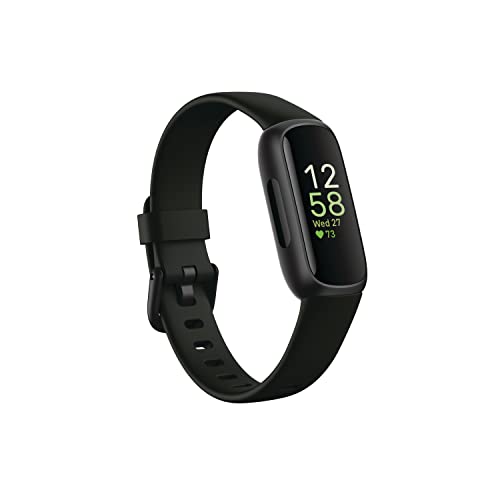
Fitbit Inspire 3 Sleep and Fitness Tracker
A sleep tracker can make it easier to notice when your sleep schedule, wake time, and next-day energy line up. Use the data as a planning clue, not as a score to obsess over.
How to Find Your Best Work Window
Start with a simple thought experiment: if you had no alarm, no morning obligations, and no social pressure, when would you naturally wake up? When would you feel mentally clear? When would you prefer to wind down?
Then compare that answer with your real-life experience. For one week, note when you feel focused, distracted, creative, tired, restless, or calm. You do not need a complicated system. A quick note in a planner or habit tracker is enough.
Look for patterns. Maybe you handle analysis well at 9 a.m. but write better at 3 p.m. Maybe you are sociable in the afternoon but need quiet work before lunch. Maybe your energy depends heavily on the previous night’s sleep.
The goal is not to create a perfect schedule. The goal is to stop wasting your clearest hours on low-value tasks.
Build Your Day Around Energy, Not Guilt
Once you know your strongest window, protect it.
Use that time for the work that actually moves things forward: writing, planning, coding, designing, studying, problem-solving, or decision-making. Put routine email, scheduling, errands, and low-stakes admin into the parts of the day when your mind is less sharp.
This does not mean ignoring your job, family, or responsibilities. Most people cannot design an ideal day from scratch. But even small adjustments help. A 60-minute focus block placed at the right time can be more valuable than three distracted hours placed at the wrong time.

Time Timer MOD Visual Focus Timer
A visual timer can help turn your best work window into a concrete session. Set it for a realistic block and keep routine tasks out until the timer ends.
It also helps to separate discipline from imitation. You can be disciplined without copying someone else’s morning routine. You can be serious about your work without waking at 4 a.m. You can build a strong life around a rhythm that is actually yours.
The best productivity system is not the one that looks most impressive from the outside. It is the one you can repeat without burning yourself out.
Pay attention to your energy. Schedule your most important work when your mind is most available. Give yourself enough structure to follow through and enough flexibility to stay human.