


Prime Video gives you an unusual choice before you start Spider-Noir: do you want the Nicolas Cage superhero detective series in “Authentic Black and White” or “True-Hue Full Color”?
That is not just a cosmetic menu option. For a show built around an old-school crime-story mood, the format changes how you read the lighting, costumes, sets, and performances. The broad experience is still Spider-Noir either way, but the first version you choose can shape your first impression of the whole season.
The short answer: start with black and white. It is the cleaner fit for the show’s title, genre references, and atmosphere. But color is not a throwaway extra. It reveals a lot of craft that the monochrome version deliberately hides, and it may be the better second-watch option if you want to see how much visual design went into the production.
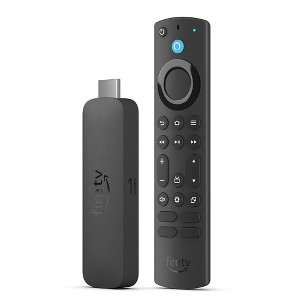
Amazon Fire TV Stick 4K Max
A dedicated 4K streaming stick can make switching between Prime Video versions easier on older smart TVs. This model supports 4K, Dolby Vision, HDR10+, and Wi-Fi 6E for a cleaner streaming setup.
As an Amazon Associate I earn from qualifying purchases.
The Verdict: Start With Black and White
Spider-Noir works best in black and white because the format gives the show a sharper identity. The series is playing in the space between superhero pulp and detective noir, and monochrome immediately pushes it closer to the classic crime-movie language it is clearly trying to evoke.
That matters because Spider-Noir is not just a Spider-Man variation with a gray filter slapped on top. The character and setting are built around shadows, alleyways, fedoras, hardboiled danger, and a version of New York that feels more mythic than realistic. Black and white makes those choices feel intentional instead of stylized for their own sake.
The show’s title also sets an expectation. Many of the reference points viewers associate with noir are black-and-white crime pictures, even though noir as a genre is broader than that. Watching Spider-Noir in monochrome gives the series the most direct route to that mood. It makes the premise feel less like a modern streaming experiment and more like the natural form of this particular story.
Nicolas Cage’s performance benefits from that, too. Cage can go big, and Spider-Noir appears to know it. In black and white, the heightened quality of the world gives his private-eye energy a frame that suits it. The performance feels theatrical in the right way, like it belongs inside a pulpy comic panel and an old detective serial at the same time.
Why Black and White Fits the Show Better
The strongest argument for the black-and-white version is the way it emphasizes light. Spider-Noir leans into high-contrast lighting associated with chiaroscuro, where bright highlights and heavy shadows do much of the storytelling. In monochrome, those contrasts are easier to read and harder to ignore.
A dim bar, a narrow street, a backlit room, a glossy surface, a face half-swallowed by shadow: those images simply have more authority when color is removed. Your eye stops sorting through wallpaper, fabric, and paint choices and starts tracking shape, texture, smoke, silhouettes, and movement.
That makes the black-and-white version feel more disciplined. It narrows the visual field in a way that supports the show’s tone. Spider-Noir wants to feel dangerous, stylish, and a little haunted. Monochrome helps it do that without constantly announcing the effort.
It also gives the show a useful advantage in the current TV landscape. A lot of modern streaming series can look dim in a way that feels murky rather than moody. Spider-Noir’s black-and-white presentation makes the darkness feel more purposeful. When the image works, it is not just dark. It has contour.
That difference is important if you are watching on a TV in a living room rather than in ideal theater conditions. Black and white can make the image feel more legible because contrast becomes the main event. You are not trying to separate muted colors from other muted colors. You are reading light against shadow.
Where the Color Version Wins
The color version is still worth watching, especially after you have seen at least one episode in black and white. It shows off a different side of the production: the costumes, makeup, wall colors, props, and set decoration that can recede in monochrome.
Prime Video’s “True-Hue Full Color” presentation is not a plain modern color grade. It is saturated and deliberately vintage-looking, with a bigger, bolder palette than viewers may expect from a noir-inspired superhero show. That makes it useful if you care about the craft behind the image.
In color, suits, dresses, painted interiors, and stage-like rooms can feel more expressive. A costume that reads as crisp in black and white may suddenly reveal itself as loud, risky, or funny in color. A room that looked like a shadowy noir location may turn out to be painted in a bright tone that changes the emotional temperature of the scene.
That is the main pleasure of the color version: it lets you see what the production team was balancing. The black-and-white version turns those choices into value, contrast, and texture. The color version shows the raw ingredients.
It also answers a common complaint about modern movies and television. Plenty of contemporary releases look washed out or flattened by muted grading. Spider-Noir’s color version goes the other direction. It is not afraid of red, yellow, orange, gloss, or theatrical color contrast. For viewers tired of gray-blue streaming sludge, that alone may be refreshing.
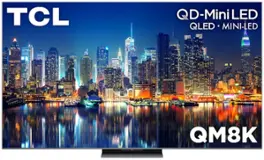
TCL QM8K 65-Inch QD-Mini LED TV
A Mini LED TV is a sensible match for a show where contrast and saturated color both matter. Look for strong local dimming, HDR support, and picture settings that let you reduce motion smoothing for a more film-like image.
As an Amazon Associate I earn from qualifying purchases.
Black and White vs. Color: The Practical Difference
If you are choosing how to watch Spider-Noir for the first time, the decision comes down to what you want from the show. The black-and-white version gives you the strongest atmosphere. The color version gives you the clearest look at the production design.
| Version | Best For | Tradeoff |
|---|---|---|
| Authentic Black and White | First-time viewing, noir atmosphere, shadow-heavy visuals, a more focused mood | You lose some of the costume, makeup, and set-color detail |
| True-Hue Full Color | Second viewing, production-design appreciation, viewers who prefer saturated color | Some surfaces can look a little too glossy or artificial depending on the screen |
For most viewers, black and white should be the default. It is the version that makes the show feel most complete as a concept. The title, premise, lighting style, and Cage’s old-Hollywood-adjacent energy all point in that direction.
Color is better treated as a companion version. Watch an episode in color after you have already seen it in black and white, and you may notice how much the monochrome version is translating. It is a useful reminder that black and white is not the absence of design. It is a different way of organizing design.
When You Might Prefer Color First
There are a few cases where the color version may make more sense as your first choice. If you strongly dislike black-and-white movies or tend to disengage from monochrome images, color will probably be the more inviting entry point. A version you actually enjoy watching is better than the more thematically appropriate version you abandon after ten minutes.
Color may also work better for younger viewers who are not used to black-and-white presentation. Cage has framed the color option as a way for more viewers to meet the material where they are, while still leaving open the possibility that the monochrome version might spark curiosity about older films.
Screen quality matters, too. On a strong TV with good contrast, black and white should look rich and clean. On a weaker laptop display, the image may not have the same depth. Meanwhile, the color version can sometimes make production details easier to distinguish on smaller screens.
That said, color has its own downside. Some flat surfaces can take on a slick or waxy look, especially when the palette gets bright and the lighting hits walls or simple backgrounds. That effect may be less noticeable on a TV than on a laptop, but it is one reason the color version can occasionally feel less elegant than the black-and-white one.
Best Viewing Order
The best approach is simple: watch the premiere, or your first full episode, in black and white. That gives Spider-Noir its strongest first impression and lets the show introduce itself in the form that best matches its mood.
After that, sample the same episode or the next one in color. You do not necessarily need to watch the entire season twice. Even one color episode can show you how much changes when the palette comes back in.
A sensible viewing order looks like this:
- Start with “Authentic Black and White” for the first episode.
- Switch to “True-Hue Full Color” for one episode or a few key scenes.
- Continue in black and white if you want the strongest noir atmosphere.
- Return to color later if you want to study the costumes, sets, and makeup.
That order gives both versions a fair chance without turning the choice into homework. Spider-Noir is still a streaming show, not a film-school assignment. The point is to pick the version that makes the story land.
Final Recommendation
Watch Spider-Noir in black and white first. It is the better match for the show’s detective-noir identity, the more striking showcase for its lighting, and the version that most clearly separates it from ordinary superhero television.
Then, if you are enjoying the series, check out the color version for contrast. It gives you a better look at the show’s costumes, makeup, and production design, and it proves that the creative team was not relying on black and white to hide a dull-looking world.
But if you only plan to watch Spider-Noir once, choose “Authentic Black and White.” That is where the show feels most like itself.