


Starlink’s reported move toward a $10 monthly hardware fee changes the decision new residential customers have to make before signing up. Instead of thinking only about monthly internet service, buyers now need to look at the kit cost, the service tier, how long they expect to keep the connection, and whether owning the equipment is still possible through another path.
The basic tradeoff is simple: a lower upfront hardware charge can make Starlink easier to start, but a recurring kit fee adds up. For a customer who expects to use the service for only a short period, renting may be easier to accept. For someone planning to keep Starlink for several years, a monthly hardware charge can become more expensive than buying equipment outright, depending on the available retail price and local offers.
What appears to be changing
Reported Starlink residential order pages have shown a $0 upfront hardware cost paired with a $10 monthly kit fee. That fee is separate from the monthly internet plan. The kit is the hardware a customer needs to use the service, including the satellite terminal and the home router.
Because the claim has not been independently verified across every market, buyers should treat the $10 figure as a checkout detail to confirm before ordering, not as a permanent global rule. Starlink has a history of changing hardware offers by region, and some promotions have been time-limited.
A Starlink support page described hardware rental as available in select countries and for Residential service plans. The same support guidance reportedly says customers renting a kit cannot pause service. That pause limitation matters for seasonal homes, RV-adjacent use cases, backup internet plans, or any situation where a customer expects to turn service off for part of the year.
The buyer math: renting versus owning
The most important question is not whether $10 sounds small. It is how long the fee will run.
| Time with service | Hardware rental cost at $10/month | Buyer implication |
|---|---|---|
| 12 months | $120 | Lower upfront cost may be attractive if you are testing the service. |
| 24 months | $240 | The rental total starts to approach discounted hardware-sale pricing. |
| 36 months | $360 | Buying may be cheaper if a kit is available near commonly reported retail prices. |
Retail availability is the key comparison point. Standard Starlink kits have been sold through retailers, and reported retail pricing has varied. The source material points to examples around $349, with past discounts reported as lower. Those figures should be checked at the time of purchase, because Starlink hardware pricing has changed before and retailer promotions do not always last.
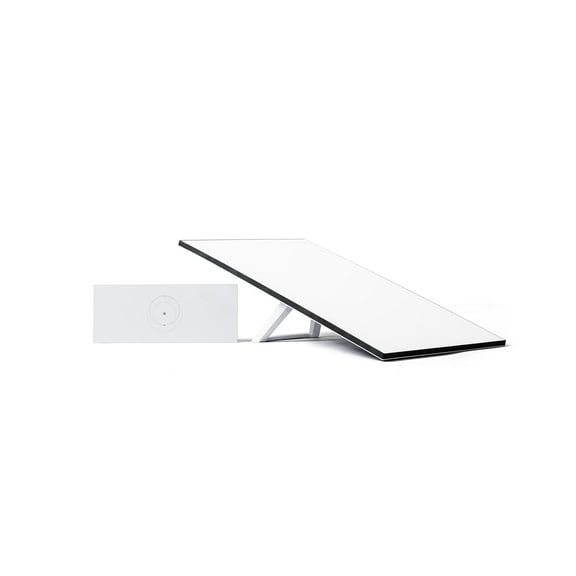
Starlink Standard Kit
Before accepting a monthly hardware fee, compare the current cost of a compatible Starlink Standard Kit with the rental total over the time you expect to keep service. Confirm the kit generation and service-plan compatibility before buying.
As an Amazon Associate I earn from qualifying purchases.
For buyers, the practical rule is this: if you expect to keep Starlink for roughly three years or more, compare the total rental cost against the actual purchase price of a kit before accepting the rental path. If you expect to use Starlink briefly, or if avoiding an upfront hardware payment is more important than long-term cost, renting may still make sense.
Reported service pricing to verify at checkout
The source material describes residential service prices of $55 per month for a 100Mbps plan, $85 per month for a 200Mbps plan, and $130 per month for a Max tier that can reach up to 400Mbps. Those plan prices have not been independently verified here and should be treated as reported figures that may vary by location.
| Reported plan | Reported monthly price | Reported speed reference |
|---|---|---|
| Entry residential tier | $55 | 100Mbps |
| Mid residential tier | $85 | 200Mbps |
| Max tier | $130 | Up to 400Mbps |
If those prices appear in your checkout flow, the hardware fee should be added to the monthly total when comparing Starlink with cable, fixed wireless, fiber, 5G home internet, or another satellite provider. A $10 kit fee may look minor beside the service plan, but it is still part of the recurring cost of the connection.
What existing Starlink kit owners should check
The source material says customers ordering new service who already have a Starlink kit may be able to avoid the rental fee by entering a device identifier during checkout. That is a significant detail for people buying used equipment, moving service, reactivating service, or purchasing hardware from a retailer.
Before placing an order, a buyer with existing equipment should check whether the ordering flow accepts the device identifier and whether the kit is eligible for the intended service plan. If the checkout still adds a kit fee, that is a signal to stop and resolve the equipment status before completing the order.
Starlink’s support guidance also reportedly says a current rental customer who wants to buy the kit can create a support ticket. That process should not be assumed to be automatic. If owning the hardware is central to your decision, confirm the option in writing through the account or support flow before depending on it.
Who should consider renting
Renting is most defensible when the customer values lower upfront cost or flexibility at sign-up more than long-term savings. It may fit people who are testing Starlink in a new location, waiting for another broadband option, or unsure whether satellite internet will meet their needs.
It may also work for buyers who do not want to manage a separate hardware purchase or who see the kit as part of the monthly service rather than an asset they want to own. That said, renting is less attractive if the plan cannot be paused, because customers who use service seasonally may keep paying even when they do not need the connection.
Who should try to buy the kit
Buying the hardware is more attractive for customers who expect to use Starlink as their main home internet connection for years. The longer the service remains active, the more a recurring kit fee behaves like a financing charge without a clear endpoint.
A purchase can also be cleaner for customers who want more control over the equipment, want to avoid rental restrictions, or are comparing total ownership cost against other home internet options. The best case for buying is strongest when retail hardware is available at a discount.
Verdict: confirm the fee before treating Starlink as cheaper upfront
The reported $10 monthly Starlink hardware fee lowers the visible upfront cost, but it does not make the hardware free. It shifts part of the purchase decision into the monthly bill.
For short-term users, that may be acceptable. For long-term residential customers, the fee can add hundreds of dollars over a few years, which makes retail kit pricing and ownership options worth checking before checkout.
The buyer-aware move is to compare three numbers before signing up: the monthly service price shown for your address, the monthly kit fee shown in checkout, and the current cost of buying a compatible Starlink kit. If the rental fee appears and you plan to keep service long term, do the three-year math before accepting it.