


Verdict: A Practical System for People Who Get Distracted by Their Environment
A five-senses focus system is less about willpower and more about reducing friction. If your attention keeps getting pulled by notifications, noise, bad lighting, desk clutter, or low-energy snacks, this approach gives you a concrete way to redesign the space around your work.
It is best for people who already know what they need to do but struggle to stay with it. It is not a magic productivity method, and the strongest results will likely come from the least glamorous changes: silencing devices, moving the phone out of reach, and making the workspace easier to sit in for a focused block.
How the Five-Senses Method Works
The core idea is straightforward: your work environment constantly feeds your brain information through sight, sound, smell, taste, and touch. Some of that input supports concentration. Some of it pulls you out of it.
Instead of treating focus as a personality trait, this system treats it as a design problem. Reduce the sensory inputs that fragment attention, then add a few that make deep work easier to begin and sustain.
That makes the method useful for buyers comparing productivity upgrades. A good pair of noise-cancelling headphones, a better desk setup, or a simple diffuser may help, but only if they solve a real distraction in your day. The priority is not buying more gear. It is choosing fewer, better interventions.

Sony WH-1000XM5 Noise Canceling Headphones
If background sound is the distraction you notice most, over-ear noise-cancelling headphones can make a focus block easier to start and keep consistent. They are most useful in shared homes, offices, cafes, or other spaces where you cannot control the room.
As an Amazon Associate I earn from qualifying purchases.
Setup: What to Change First
Start with the inputs that interrupt you most often. For many people, that means sound and phone access before anything else.
- Turn off mobile and desktop notification pings during focus blocks.
- Use one pre-made playlist instead of choosing individual songs while working.
- Try instrumental music, classical music, lo-fi, or cinematic scores if lyrics distract you.
- Use noise-cancelling headphones when your workspace is unpredictable.
- Put your phone away, or use Do Not Disturb, for roughly two-hour work sessions.
Visual setup matters too. Keep the area around your laptop intentional: less clutter, better lighting, and a few objects that make the desk feel worth returning to. Smart bulbs can be useful if you want brighter, cooler light for alertness and warmer light later in the day, though the effect will vary by person and schedule.
Comfort, Scent, and Energy
Temperature, touch, smell, and taste are easy to overlook because they feel secondary. They are often the difference between staying settled and constantly shifting around.
A cooler room may feel better for focused work, but exact temperature claims should be treated as personal starting points rather than universal rules. Try a range around typical comfortable office temperatures and adjust based on alertness, comfort, and whether your hands stay warm enough to work.
For touch, prioritize the tools you handle all day: keyboard, mouse, chair, notebook, pen, and desk height. A standing desk or ergonomic accessories can help if they fix a real comfort issue.
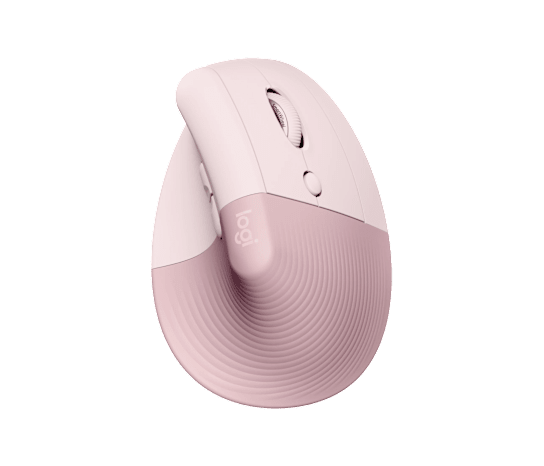
Logitech Lift Vertical Ergonomic Mouse
A vertical ergonomic mouse is worth considering if regular mouse use makes your wrist or hand feel tense during longer work sessions. It is a practical upgrade only when comfort is one of the things pulling you out of focus.
As an Amazon Associate I earn from qualifying purchases.
Scent is optional. Some people like peppermint or lemon essential oils while working, but fragrance can be distracting or irritating for others. If you use a diffuser, keep it subtle and avoid turning it into another thing to manage.
Taste is simpler: keep water nearby and choose snacks that do not leave you sluggish. Gum may help some people feel more alert, but it should be treated as a small experiment, not a guaranteed performance tool.
Who Should Try It
This system is a good fit if your focus problems are environmental: open tabs, visible phone, background noise, poor lighting, uncomfortable gear, or energy dips. It is also useful if you want a repeatable setup before writing, studying, coding, or doing strategic work.
It is less useful if the real blocker is unclear priorities. A calm desk will not fix a vague task list. Pair this with a clear work block: one objective, a defined stopping point, and fewer ways to escape when the work gets uncomfortable.
The simplest maintenance rule is still the strongest one: hide the phone and turn off notifications before deep work begins. Everything else is a supporting layer.