

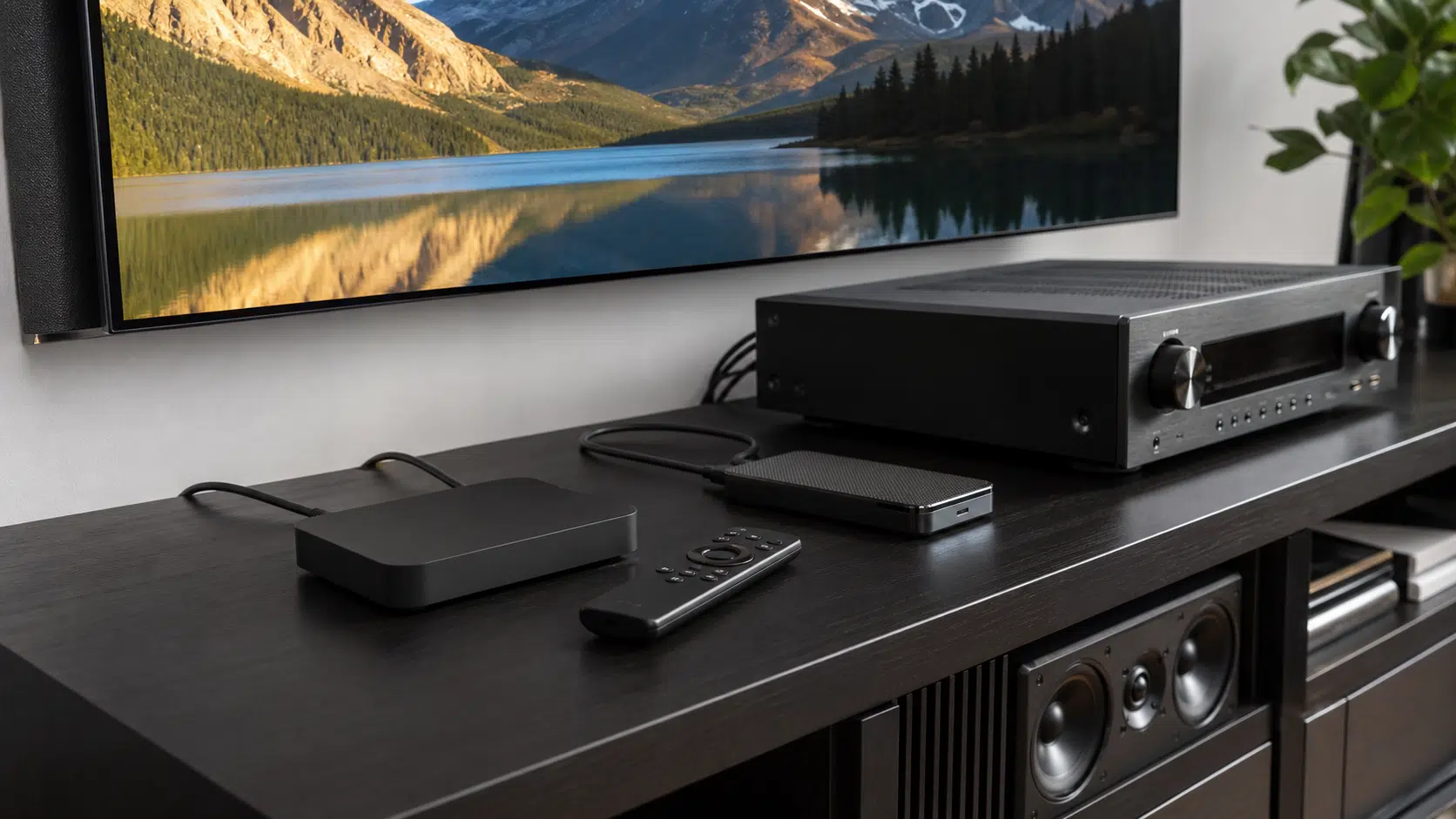

The Nvidia Shield TV is not a new product story anymore. That is exactly what makes it interesting.
Nvidia has gone years without a major Shield TV hardware refresh, yet the device still comes up whenever people discuss the best Android TV boxes for serious streaming setups. That does not mean it is automatically the right purchase for everyone, or that every performance claim around it should be treated as settled fact. It does mean the Shield TV has aged in a way most streaming boxes do not.
For buyers who only want a cheap way to open Netflix, YouTube, or Disney+, the Shield TV can look excessive. It costs more than many Android TV and Google TV devices, its storage numbers do not look impressive on paper, and its interface still carries the familiar Android TV clutter. But for people who care about local media, Plex, lossless audio passthrough, game streaming, and a generally responsive Android TV experience, the Shield TV remains unusually relevant.
This review is best read as a buyer check, not a blanket endorsement. The Shield TV is still one of the strongest Android TV options I have used, but its age is no longer a footnote. It is part of the decision.
Why the Shield TV still feels different
The reason the Nvidia Shield TV still gets recommended is not complicated: Nvidia built it more like a small performance device than a disposable streaming stick. The 2019 Shield TV models use Nvidia’s Tegra X1+ processor, and the Shield TV Pro pairs that chip with 3GB of RAM and 16GB of storage. The standard Shield TV uses 2GB of RAM and 8GB of storage.
Those numbers are modest when you compare them with some newer boxes that advertise more memory or larger internal storage. In day-to-day use, though, Android TV performance is not only a spec-sheet contest. App launch speed, menu responsiveness, background behavior, storage quality, thermal design, and software tuning all affect whether a streaming box feels quick after months of use.
That is where the Shield TV has usually stood apart in my testing. Many cheaper Android TV boxes are fine when they are new and lightly loaded. They can feel slower once more apps are installed, more accounts are connected, and the home screen fills with recommendations. The Shield TV is not immune to Android TV’s interface issues, but it has generally felt less fragile than most low-cost boxes I have tried.
That distinction matters because TV hardware itself is often underpowered. Built-in smart TV platforms can be slow even on expensive displays, especially after a few years of updates. A dedicated streaming box is supposed to fix that problem. The Shield TV still does the job better than many alternatives inside the Android TV ecosystem.
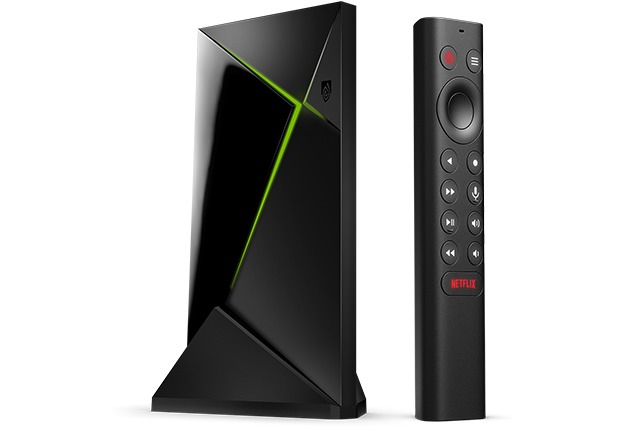
Nvidia Shield TV Pro
The Shield TV Pro is the model to consider if your setup includes Plex, local files, USB storage, or an AV receiver. Its appeal is strongest for buyers who want Android TV flexibility with more home theater features than a basic streaming stick.
As an Amazon Associate I earn from qualifying purchases.
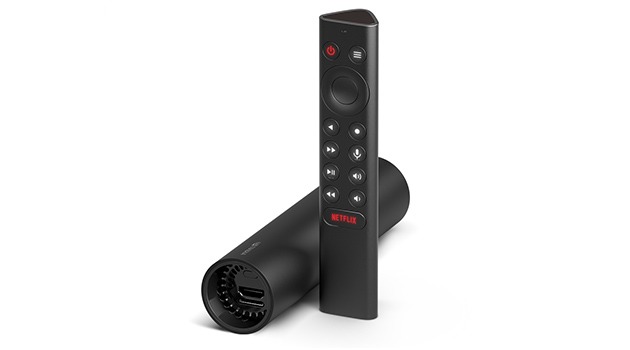
Nvidia Shield TV
The standard Shield TV keeps the Shield platform’s core streaming experience in a smaller design. It makes more sense for app-first buyers who do not plan to attach USB storage or run a Plex server from the box.
As an Amazon Associate I earn from qualifying purchases.

Apple TV 4K
Apple TV 4K is the cleaner choice for buyers who want a fast, polished streaming interface and do not need Android TV’s local media flexibility. It is especially relevant for homes already using iPhone, AirPlay, Apple TV+, or Apple Arcade.
As an Amazon Associate I earn from qualifying purchases.
The Shield TV is still strongest for home theater users
The Shield TV’s best argument is not just speed. It is the combination of speed, media support, and flexibility.
For home theater users, the Shield TV Pro is especially appealing because it can handle roles that most streaming boxes are not designed to take on. It supports Dolby Vision HDR and HDR10, Dolby Atmos, DTS-X passthrough over HDMI, and passthrough for Dolby TrueHD and DTS-HD. If your setup includes ripped Blu-rays, a Plex library, and an AV receiver, those details matter more than whether a home screen animation is half a second faster.
The Shield TV Pro also includes two USB 3.0 ports and expandable storage through USB drives. That makes it more useful in a living-room media setup than streaming devices that are built only around apps and cloud services. The standard Shield TV is smaller and less expandable, so buyers who are looking at local media should pay close attention to the model difference.
| Feature | Shield TV | Shield TV Pro |
|---|---|---|
| Processor | Nvidia Tegra X1+ | Nvidia Tegra X1+ |
| RAM | 2GB | 3GB |
| Storage | 8GB | 16GB |
| USB expansion | No full-size USB ports | Two USB 3.0 ports |
| Best fit | Streaming-first setups | Plex, local media, and home theater setups |
The Pro model’s Plex angle is a major part of its appeal. The Shield TV Pro can run Plex Media Server, which means it can host a local media library without a separate PC or NAS in simpler setups. That does not make it a full replacement for every dedicated server. Large libraries, heavy transcoding needs, and multiple remote users can still justify a separate machine. But for a living-room library attached to a USB drive, the Shield TV Pro offers a tidy setup that few Android TV boxes can match.
AI upscaling is still one of its better everyday features
Nvidia’s AI-enhanced upscaling remains one of the Shield TV’s most practical features. It is easy to dismiss upscaling as marketing until you use a streaming box with a lot of older 1080p content. The Shield TV can upscale HD video to 4K at up to 60 FPS, and the effect can be noticeable with older shows, YouTube videos, and other non-4K sources.
It is not magic. Bad source material still looks like bad source material, and over-sharpening can be visible if you push settings too far. But the feature is useful because a lot of real viewing is not pristine 4K HDR. Plenty of people still watch older TV seasons, compressed web video, sports clips, and library content that benefits from a cleaner upscale.
This is one of the areas where the Shield TV feels less dated than its hardware age suggests. Newer streaming boxes may support newer codecs or cleaner interfaces, but they do not all offer the same kind of image-processing feature set.
Gaming is a bonus, not the whole reason to buy one
The Shield TV also has a gaming story, though it is more specific than it used to be. GeForce NOW support gives it a cloud gaming use case, and the hardware is capable enough for many retro emulation setups. If you already use Nvidia’s cloud gaming service or want one box that can handle streaming apps and some gaming, the Shield TV still has an advantage over many basic Android TV devices.
That said, gaming should not be the only reason most people buy a Shield TV. Dedicated consoles, handheld gaming PCs, and modern PCs all cover gaming better if that is the main goal. The Shield TV’s value is that gaming is part of a broader living-room package. It is a streaming box first, a media box second, and a casual gaming device after that.
Where the Shield TV shows its age
The Shield TV is not aging without consequences. The most obvious gap is AV1 hardware decoding. AV1 matters because streaming platforms and video services have been adopting it for more efficient video delivery. A streaming box without AV1 hardware support can still be useful, but this omission is harder to ignore as newer devices include it.
The price is another issue. The Shield TV has long sat at the premium end of the Android TV market, and that is a tougher sell when the hardware has not had a major refresh in years. A cheaper Google TV or Android TV device may be good enough if your needs are limited to mainstream streaming apps, voice control, and a modern interface.
The interface is also not a pure win. Android TV and Google TV devices often lean heavily on recommendations and promotional rows. If you want a quiet, app-first home screen, the Shield TV may still frustrate you. Its performance helps, but it does not fully escape the broader Android TV home-screen problem.
There are also buyer-specific tradeoffs. Some users prefer Google’s newer TV interface and smart home integrations. Others would rather have Apple’s more polished streaming box, especially if they do not need Android’s flexibility. The Shield TV’s strongest case depends on whether you actually use the things that make it different.
- Buy the Shield TV Pro if you care about Plex, local media, USB expansion, lossless audio passthrough, or GeForce NOW.
- Consider the standard Shield TV if you want Shield performance but do not need USB ports or Plex server duties.
- Look elsewhere if your priority is the lowest price, AV1 support, or a cleaner modern interface.
Apple TV is the obvious alternative, but not the same kind of box
The Apple TV belongs in this conversation, even though it is not an Android TV device. If you only care about raw smoothness, long-term software support, and a less cluttered interface, Apple’s streaming box makes a very strong case. It is fast, polished, and better suited to buyers who are already comfortable in Apple’s ecosystem.
The reason it does not replace the Shield TV for everyone is flexibility. Android TV gives users more room to work with different apps, local media habits, emulators, file workflows, and Google services. The Shield TV Pro also has a specific home theater identity that Apple TV does not fully duplicate for every local media setup.
So the decision is less about which box is universally better and more about which compromises you want. Apple TV is the cleaner mainstream premium streamer. Nvidia Shield TV Pro is the more flexible Android TV box for people who know why they need it.
Verdict: still worth considering, but only for the right buyer
The Nvidia Shield TV is no longer an easy default recommendation. Its hardware age, lack of AV1 hardware decoding, high price, and cluttered Android TV experience all deserve to be part of the buying decision.
Even with those drawbacks, the Shield TV Pro remains unusually capable for a device that has gone so long without a major refresh. The combination of Tegra X1+ performance, Plex Media Server support, USB expansion, AI-enhanced upscaling, broad audio passthrough, Dolby Vision, Dolby Atmos, and GeForce NOW gives it a feature mix that many Android TV boxes still do not match cleanly.
If your streaming needs are simple, save the money and buy something newer or cheaper. If your living-room setup includes Plex, local files, an AV receiver, and a preference for Android TV over Apple TV, the Shield TV Pro still makes sense. That is not because it is new. It is because Nvidia built a box with enough headroom and enough enthusiast features that it has remained useful far longer than most streaming hardware.