


A giant remote-controlled Boeing 777X-style jet from YouTuber and aircraft builder Ramy RC has been drawing attention because of its sheer scale. Ramy describes it as the world’s largest RC Boeing 777-9X, though that claim is best treated as his description rather than an independently verified record.
Even with that caveat, the project is unusually ambitious. In Ramy’s build footage, the aircraft is presented as a 33-foot-wingspan, 630-pound electric model made largely from CNC-cut foam and carbon fiber. Those figures have not been independently confirmed here, but they are useful for understanding why this is not a casual backyard RC plane. This is a large-format aircraft project that needs space, planning, fabrication tools, transport, and a team.
What Makes This Build Different
Most RC aircraft buyers are choosing between ready-to-fly foam planes, kit-built models, or higher-end electric ducted fan jets. Ramy’s Boeing project sits far beyond those normal categories. It appears to be closer to a custom engineering project than a product someone can simply buy, assemble, and fly on a weekend.
According to the build description, the aircraft began as a scaled digital model. Foam sections were then cut, shaped, reinforced, wired, and assembled into the finished jet. The design is described as using electric ducted fans in place of turbine engines, with working control surfaces and landing gear systems. Those details have not been independently verified, so they should be read as part of the builder’s account rather than formal specifications.
That distinction matters for shoppers. A viral aircraft build can make giant RC aviation look more accessible than it is. The plane may resemble a familiar passenger jet from the outside, but the real story is the work hidden inside the structure: reinforcement, balance, control authority, wiring, power delivery, and safe runway operations.
What Buyers Should Take From It
If you are interested in RC aircraft because of builds like this, the useful takeaway is not “buy the biggest jet you can find.” It is that aircraft size multiplies every requirement. Larger models need more room, stronger materials, more battery capacity, more precise setup, and more experienced pilots.
| RC aircraft path | Best for | Main tradeoff |
|---|---|---|
| Ready-to-fly trainer | Beginners learning control, orientation, and landings | Limited speed, scale detail, and upgrade potential |
| Foam EDF jet | Pilots who want jet styling without custom fabrication | Higher speed and shorter reaction time than trainers |
| Large kit or custom build | Experienced builders with tools, space, and support | Cost, complexity, transport, and safety requirements rise quickly |
| One-off giant scale project | Specialist teams and content-focused builders | Not a practical first purchase or casual hobby model |
For most people, the smarter path is to start smaller and build experience. A stable trainer teaches the habits that matter most: smooth control inputs, proper takeoff spacing, approach planning, and knowing when not to fly. Moving into EDF jets too early can be expensive because they tend to fly faster and give less time to correct mistakes.
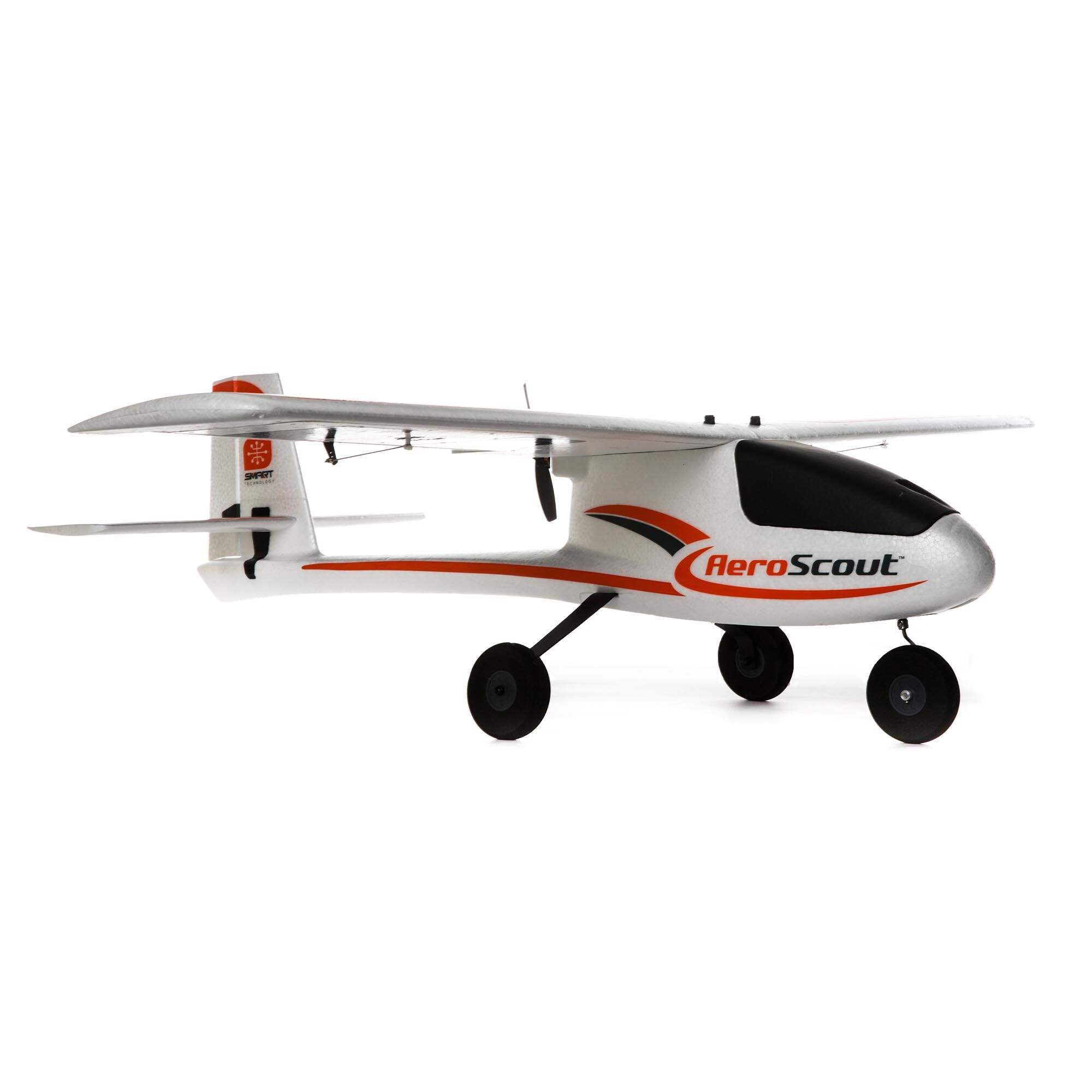
HobbyZone AeroScout S 2 1.1m RTF Basic
A ready-to-fly trainer is the most realistic first step for pilots inspired by giant RC aircraft. Look for forgiving handling, durable foam construction, and easy access to replacement parts.
As an Amazon Associate I earn from qualifying purchases.
Key Buying Criteria For Large RC Planes
Before buying a large RC plane or EDF jet, focus on the practical constraints first. Appearance should come later.
- Flying site: Make sure the model fits the space you can legally and safely use.
- Pilot skill: Choose an aircraft that matches your landing consistency, not your ambition.
- Power system: Batteries, chargers, fans, motors, and speed controllers can cost as much as the airframe.
- Transport: A large model that cannot fit in your vehicle becomes a storage problem before it becomes a flying problem.
- Repairability: Foam models are often easier to patch than highly customized composite builds.
- Support: Big aircraft are easier to set up, launch, recover, and inspect with experienced help.
Ramy’s Boeing-style project also shows why documentation matters. The most useful RC build videos are not only the dramatic flight clips. They show the internal structure, control setup, test runs, failures, and adjustments. Those are the parts that help buyers understand whether a model is realistic for their own workshop and flying site.
Verdict: Inspiring, But Not A Shopping Template
Ramy RC’s giant Boeing 777X-style aircraft is best viewed as an inspiring specialist build, not as a direct recommendation for most buyers. It makes sense as a showcase for large-scale RC design and electric propulsion, and it is easy to see why footage of a passenger-jet-shaped model rolling and flying would catch attention.
For actual buying decisions, the lesson is more grounded. If this kind of project gets you interested in RC aviation, start with the aircraft that will let you fly often, repair cheaply, and improve steadily. Giant scale models are exciting, but the best first RC plane is usually the one that survives enough flights to teach you something.
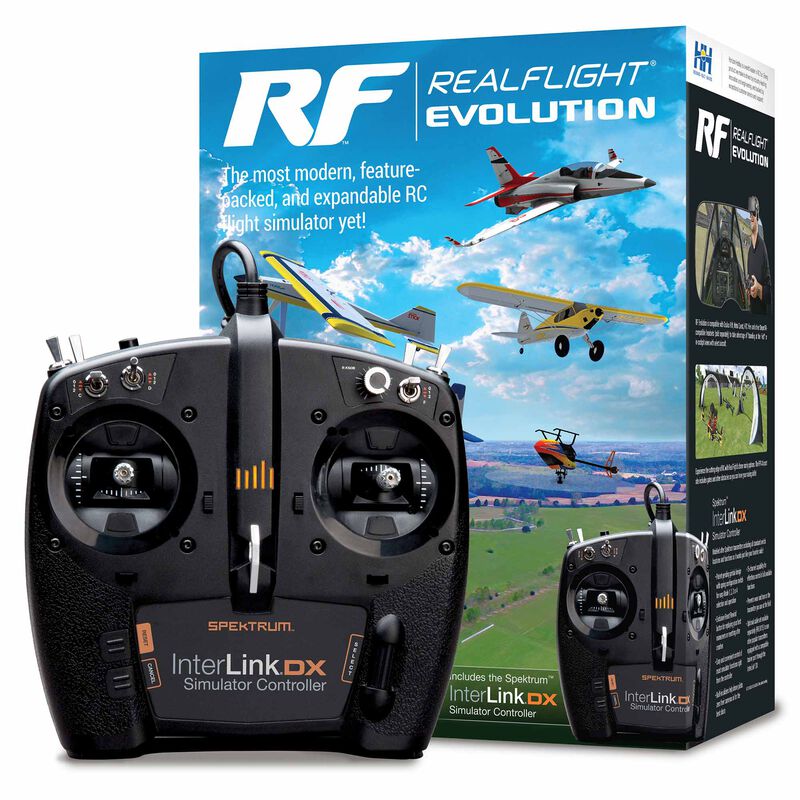
RealFlight Evolution Simulator with Controller
A flight simulator lets new pilots build orientation and landing habits without risking an airframe. It is especially useful before stepping into faster EDF models.
As an Amazon Associate I earn from qualifying purchases.