


Spend a little time in home lab forums and you will see plenty of advice for making a NAS faster. Some of it is genuinely useful. SMB multichannel can make sense on the right network. Booting the NAS OS from an SSD instead of a USB stick or old hard drive can be a practical quality-of-life upgrade. Adding more RAM is often boring, but effective.
SSD caching is trickier. It sounds like the obvious next step: put a fast SSD in front of slower hard drives and let the NAS feel quicker. In practice, the payoff depends heavily on the workload, the file system, the network, and the exact type of cache being discussed. With ZFS-based systems such as TrueNAS, people often talk about L2ARC, SLOG, and Special Metadata VDEVs as if they are interchangeable ways to make hard drives behave like flash storage. They are not.
For most home NAS workloads, SSD caching is not the upgrade I would start with. It can help in specific cases, but it can also waste a good SSD, add complexity, or introduce failure modes that are easy to underestimate.
The short version: cache is not the same as faster storage
A cache helps only when the right data passes through it in the right pattern. That matters because a lot of home NAS work is simple bulk storage: backups, media libraries, file archives, photo dumps, and occasional large transfers. Those jobs are often limited by hard drive throughput, network speed, pool layout, or client behavior rather than by the absence of an SSD cache.
That does not mean SSDs are useless in a NAS. It means they are often better used as actual storage: a fast pool for virtual machines, containers, active projects, game libraries, scratch space, or a network share for frequently used files. That is very different from using an SSD as a helper device bolted onto a hard drive pool.
Here is the practical distinction:
| Option | What it is for | Best fit | Main concern |
|---|---|---|---|
| L2ARC | Secondary read cache | Repeated reads of hot data that does not fit in RAM | Limited benefit for one-off reads and bulk storage |
| SLOG | Separate log device for synchronous writes | Sync-heavy workloads such as some VM or database storage | Does not speed up ordinary asynchronous writes |
| Special Metadata VDEV | Pool device for metadata and small blocks | Directory-heavy workloads and metadata-heavy access patterns | It is part of the pool, so failure planning matters |
| SSD storage pool | Normal fast storage | VMs, containers, active shares, games, project files | Needs backups like any other storage |
Quick Comparison
| Image | Product | Best fit | Link |
|---|---|---|---|
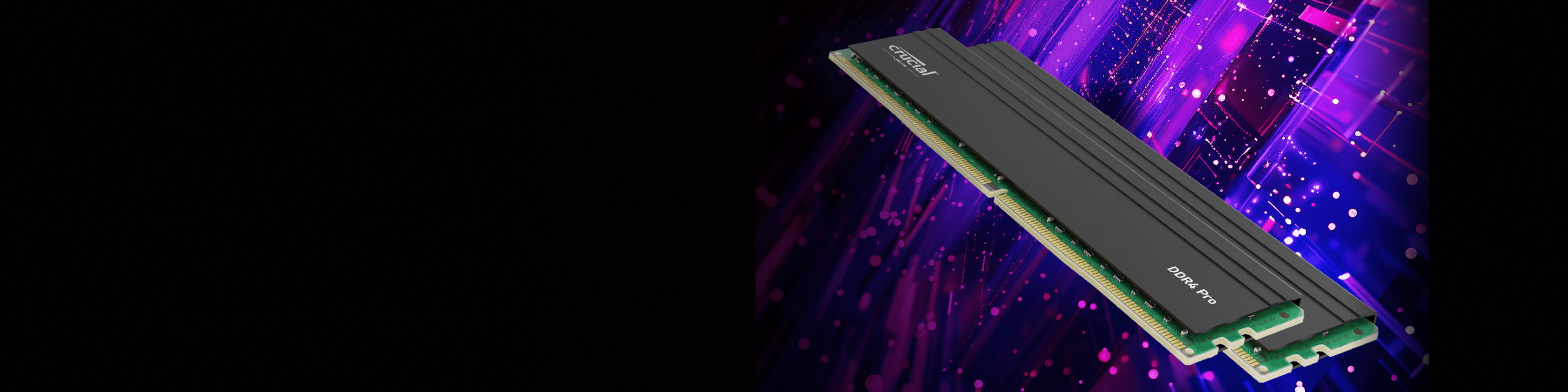 |
Crucial Pro 32GB DDR4-3200 Memory Kit | For a DIY TrueNAS or ZFS build that supports standard DDR4 UDIMMs, a 32GB memory kit can be a more predictable upgrade than adding an SSD cache. Check your motherboard or NAS compatibility first, especially if your system requires ECC memory. | Check Price on Amazon |
 |
TP-Link TX201 2.5GbE PCIe Adapter | If large transfers are stuck behind a single gigabit link, a 2.5GbE adapter can be a more visible NAS upgrade than SSD caching. Pair it with a compatible switch and client adapter so the whole path can negotiate above 1GbE. | Check Price on Amazon |
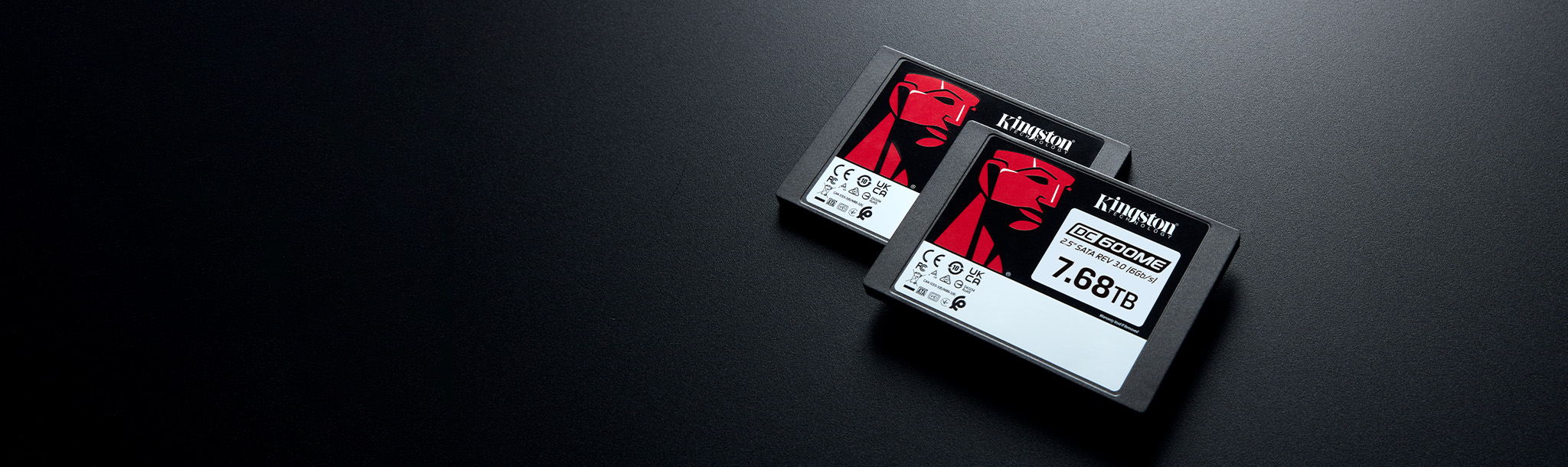 |
Kingston DC600M Enterprise SATA SSD | For sync-heavy workloads or carefully planned metadata devices, look at enterprise SSDs with power-loss protection and predictable write behavior. This is the category to consider only after you know the workload actually needs it. | Check Price on Amazon |
 |
Samsung 870 EVO SATA SSD | A SATA SSD can be more useful as a dedicated fast share or SSD pool than as a cache device. Use it for active project files, containers, scratch space, or frequently accessed data that benefits from low latency. | Check Price on Amazon |
As an Amazon Associate I earn from qualifying purchases.
L2ARC only helps when the same data is read repeatedly
L2ARC, or Level 2 Adaptive Replacement Cache, is usually the first SSD cache people mention for ZFS. It supplements ARC, the main memory-based cache. If a NAS has limited RAM and a working set larger than the available ARC, an SSD-based L2ARC can hold additional cached reads.
That sounds appealing, especially if you have an unused SATA SSD or NVMe drive sitting around. The catch is that L2ARC is not a general-purpose turbo button. It is most useful when the NAS repeatedly serves the same data and that data is not already being handled well by RAM.
For many home users, that pattern is less common than it sounds. A backup job writes new data. A media server may stream a movie once and then not touch it again for weeks. A photo archive might be browsed occasionally, but not in a way that keeps the same blocks hot enough to matter. In those cases, a read cache can spend a lot of time being populated without producing a noticeable improvement.
There are also resource tradeoffs. L2ARC needs bookkeeping, and on a memory-constrained system that overhead can matter. If the NAS is already short on RAM, adding a large L2ARC device is not always the first fix. More memory may do more for the system than a secondary cache device.
L2ARC makes more sense when the workload is repeatable and read-heavy. Examples can include frequently accessed VM images, shared development data, or a set of files that multiple clients read again and again. Even then, it should be treated as a workload-specific optimization rather than a default home NAS upgrade.
SLOG is about synchronous writes, not everyday file copies
SLOG is another commonly misunderstood SSD use case. It stands for Separate Intent Log, and it is connected to ZFS synchronous write behavior. The key point is that SLOG does not make all writes faster. It can help only when the workload is actually using synchronous writes.
A typical home NAS does plenty of work that is not sync-heavy. Media archiving, routine file transfers, and many backup workflows may not benefit from a SLOG device in any meaningful way. If the workload is asynchronous, adding a separate log device does not magically make the pool faster.
Where SLOG can matter is with storage that demands synchronous write confirmation. Some VM storage, database workloads, and certain network share configurations can fall into that category. In those cases, a fast, low-latency SSD with proper power-loss protection may reduce the penalty of synchronous writes.
That last detail is important. A random consumer SSD is not automatically a good SLOG device. The right drive characteristics matter more than headline sequential speed. Endurance, latency, and power-loss protection are the kinds of traits that matter when the device is involved in write safety.
For the average buyer, this makes SLOG a poor impulse upgrade. If you do not already know that your workload is sync-write bound, you probably should not buy an SSD for SLOG first. Measure the workload, check the share or VM storage behavior, and confirm the bottleneck before spending money.
Special Metadata VDEVs are useful, but they are not a cache
Special Metadata VDEVs deserve extra caution because they are often lumped in with caching even though they are not the same thing. A Special VDEV can store metadata and, depending on configuration, small blocks. That can make certain operations feel much faster, especially when a pool has many files, large directory trees, or metadata-heavy tasks.
The benefit is real for the right workload. Browsing directories, indexing media, and handling file systems with lots of small files can all be helped by faster metadata storage. But the risk profile is completely different from L2ARC.
An L2ARC device is disposable in the sense that the pool data does not depend on the cached copy. If the cache device fails, you lose the cache, not the pool. A Special Metadata VDEV is part of the pool. If it fails without adequate redundancy, the whole pool can be put at risk.
That changes the buying decision. A Special VDEV should not be treated as a casual way to use an old SSD. It calls for redundancy, sensible drive selection, and a clear understanding of how the pool is built. For a small NAS with limited bays, dedicating multiple SSDs to mirrored metadata may be hard to justify, especially when those bays could be used for capacity or a separate SSD pool.
When SSD caching actually makes sense
SSD caching is not pointless. It is just narrower than forum advice sometimes makes it sound. It can be useful when the workload is well understood and the NAS is designed around that workload.
Good candidates include:
- Repeated reads of the same active data set that does not fit comfortably in RAM.
- VM storage or database storage that uses synchronous writes and is bottlenecked by hard drive latency.
- Metadata-heavy pools where directory traversal, indexing, or small-file behavior is a real pain point.
- Systems with enough RAM, bays, and drive redundancy to support the added complexity properly.
Weak candidates include:
- Occasional media streaming from a large library.
- Simple backup targets.
- Bulk file archives that are written once and rarely reread.
- Small home NAS builds where the SSD would be more useful as normal fast storage.
- RAM-starved systems where memory should be upgraded first.
The buyer-aware way to think about this is simple: do not buy a cache device until you can describe the cache hit you expect. If the answer is just “hard drives are slow and SSDs are fast,” that is not enough of a reason.
Old SSDs are often better as their own NAS storage
If you already have spare SSDs, the most useful NAS role may be the most straightforward one: make them storage. A separate SSD pool or SSD-backed share can be excellent for active files, temporary workspace, virtual machines, containers, or anything that benefits from consistent low-latency access.
This is especially appealing if your network is fast enough to take advantage of the drive. A 2.5GbE, 5GbE, or 10GbE link can make an SSD share feel meaningfully different from a hard drive pool. Even on a modest network, SSD storage can still help with small-file responsiveness and VM boot behavior.
That approach is also easier to reason about. The SSD stores data directly, so you back it up like any other storage. You are not trying to predict cache behavior, tune metadata placement, or add a write-log device for a workload that may not need one.
There are still caveats. Consumer SSDs have endurance limits, and an old drive should not be trusted with important data unless it is backed up. If you are using SSD storage for experimental VMs or containers, keep anything important replicated to a proper array or included in your backup plan.
What to upgrade before adding SSD cache
Before buying an SSD specifically for NAS caching, it is worth checking the less glamorous bottlenecks first. Many home storage problems come from somewhere else.
A practical upgrade order looks like this:
- Check the network. A single 1GbE link can cap transfers long before the pool or cache becomes the main issue.
- Add enough RAM for the NAS workload, especially on ZFS systems.
- Review the pool layout. Drive count, vdev design, and redundancy choices affect performance more than many cache tweaks.
- Use SSDs as direct storage for workloads that clearly benefit from flash.
- Consider L2ARC, SLOG, or a Special VDEV only after the workload points to one of those tools.
That order will not be exciting to everyone, but it is usually where the real gains come from. A cache is a finishing tool, not a substitute for a sensible storage design.
Verdict: skip SSD caching unless your workload asks for it
For most home NAS buyers, SSD caching is the wrong first upgrade. L2ARC can help repeated reads, but it will not transform backup and media workloads. SLOG can help synchronous writes, but it is irrelevant to many ordinary file transfers. Special Metadata VDEVs can improve metadata-heavy behavior, but they are pool devices with real redundancy requirements, not harmless cache drives.
The better use for an old SSD is often a dedicated fast share or SSD pool for active data. That gives you predictable performance, simpler troubleshooting, and a clearer backup plan. Cache only starts to make sense when you have measured the workload, identified the bottleneck, and know exactly which ZFS feature fits the problem.